Berthold of Garsten
The first abbot of Garsten in Austria, Saint Berthold (c. 1060-1142) was an exemplary Benedictine reformer, renowned for his charity towards the poor and his miracles.
Contemporaries

Figures and markers around the normalized period for this entry.
Guided reading
5 reading sections
Biography
Noble origins of Berthold, his entry into monastic life at Saint-Blasien, and his time at Göttweig.
Saint Berthold of Garsten (or Berthold of Rachez) was born around 1060 on the shores of Lake Constance. Coming from the high nobility, he likely belonged to the family of the bailiffs of Regensburg and was a descendant of the house of the Counts of Bogen. After the early death of his wife, he became a widower at the age of thirty and chose to dedicate himself to religious life. He joined the Benedictine abbey of Saint-Blasien in the Black Forest, where he served as librarian and sub-prior starting in 1094. In 1107, he was called to the abbey of Göttweig, in Lower Austria, to hold the office of prior.
Life and Work
His role as the first abbot of Garsten, the introduction of the Hirsau reform, and his pastoral work.
In 1111, Margrave Ottokar II of Styria called upon Berthold to become the first abbot of the monastery of Garsten, located in Upper Austria. Under his leadership of more than thirty years, the abbey experienced exceptional spiritual and economic growth. He introduced the Hirsau reform there, characterized by strict observance of the Benedictine Rule and monastic independence. Berthold proved to be an abbot of great rigor regarding internal discipline, but showed immense kindness and inexhaustible charity toward the poor, the sick, and pilgrims. He founded several parishes in the Enns and Steyr valleys to ensure the pastoral care of the local populations.
Path to Holiness
The miracles attributed to Berthold during his lifetime and after his death in 1142.
The life of Berthold is marked by accounts of miracles and remarkable conversions, recorded shortly after his death by a monk of Garsten around 1175. Among the most famous miracles are the conversion of brigands, the miracle of the multiplication of fish for the monastery's guests, and the defense of the poor against avarice. Berthold passed away on July 27, 1142, in Garsten. During his funeral, the pallbearers noticed that his coffin seemed to float in the air without weighing on their shoulders. Immediately, numerous miracles of healing occurred at his tomb, which became a highly frequented place of pilgrimage.
Beatification and canonization
The development of his cult, the translation of his relics, and his equipollent canonization by Paul VI in 1970.
The local cult of Berthold was established immediately upon his death. In 1236, the Bishop of Passau officially authorized the inclusion of Berthold in the diocesan martyrology for the feast of July 27. In 1686, his relics were solemnly transferred to a dedicated chapel within the abbey church of Garsten. The informative process for the official recognition of his cult by the Holy See opened on May 5, 1951, and closed on April 25, 1952. On January 8, 1970, Pope Paul VI proceeded with the confirmation of his cult through an equipollent canonization. Saint Berthold is celebrated on July 27.
Spirituality and legacy
The spiritual legacy of Berthold, his current cult in Austria, and his iconographic representations.
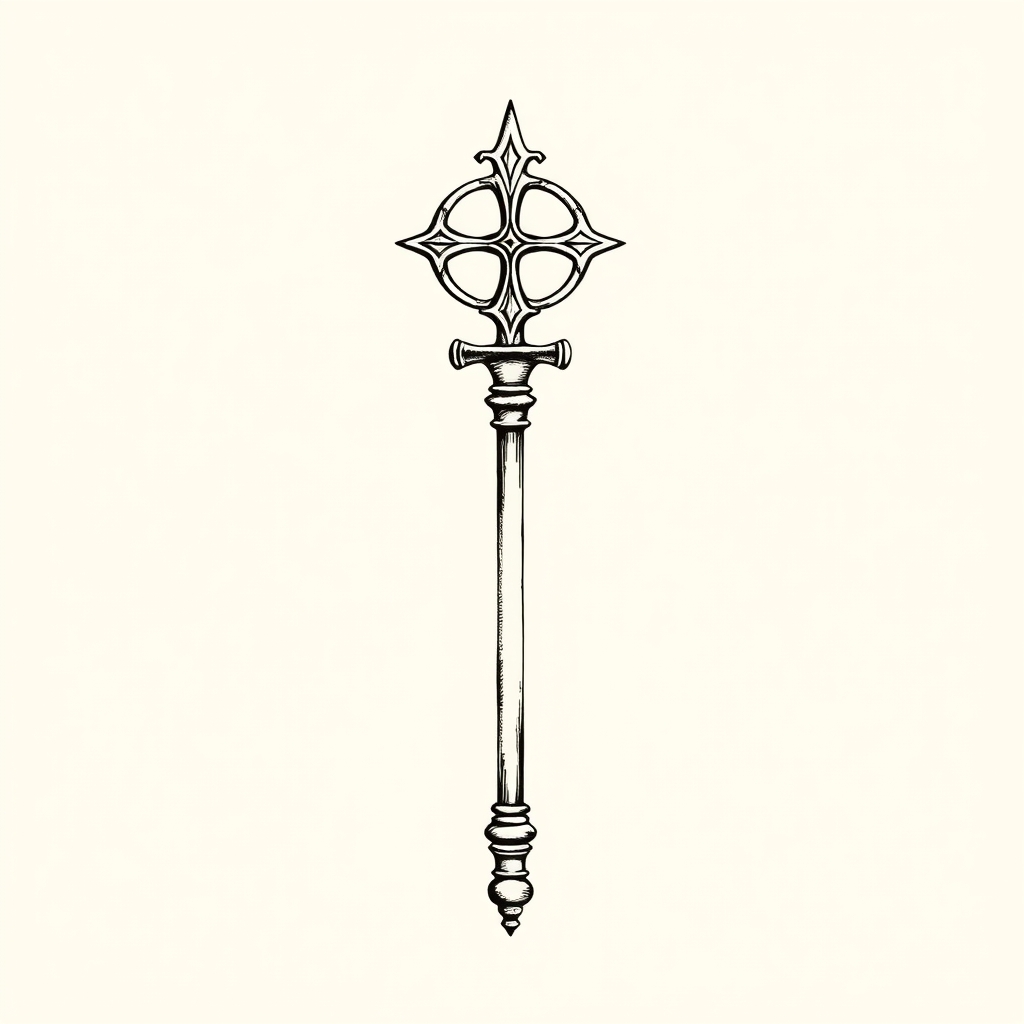
The spirituality of Saint Berthold rests on the Benedictine balance between contemplative prayer and rigorous work. He embodied the figure of the large-hearted pastor, combining strict personal ascetic requirements with immense compassion for the needy. Although the Abbey of Garsten was suppressed in 1787, the memory of Saint Berthold remains alive in Upper Austria. The former abbey church still houses his monumental tomb. In Christian art, he is traditionally depicted in Benedictine habit, holding an abbatial crosier and accompanied by fish.
Iconography
Signs and attributes


The supernatural in their life
The miracles of Berthold of Garsten
Frequently asked questions about Berthold of Garsten
Who was Berthold of Garsten?
The first abbot of Garsten in Austria, Saint Berthold (c. 1060-1142) was an exemplary Benedictine reformer, renowned for his charity towards the poor and his miracles.
What is Berthold of Garsten the patron saint of?
Patronage of Berthold of Garsten: Paroisse de Garsten and Parish of Garsten.
What is Berthold of Garsten invoked for?
Berthold of Garsten is invoked for: La guérison des maladies, Healing of diseases, La protection des pauvres and Protection of the poor.
How is Berthold of Garsten depicted in Christian art?
In iconography, Berthold of Garsten is recognizable by: Abbot's crosier, Fish and Benedictine habit.
What miracles are attributed to Berthold of Garsten?
4 miracles are attributed to this saint, notably: Conversion, Multiplication / provision, Levitation / bilocation and Healing.
Which saints were contemporaries of Berthold of Garsten?
Contemporaries include: Saint Norbert of Magdeburg, Saint Bernard of Clairvaux, Saint Stephen of Hungary and Saint Arthaud of Belley.
When did Berthold of Garsten die?
Berthold of Garsten died around 1142.
What are the other names of Berthold of Garsten?
Other forms of the name: Berthold de Rachez and Berthold von Garsten.
Who are the relatives of Berthold of Garsten?
Relatives of Berthold of Garsten: Comtes de Bogen (Presumed descendant).
Annexes & related entities
Structured data for exploration: events, miracles, quotes, places, attributes, patronages, and important entities cited in the text.
Key Events
- Era / death: 1060-1142
- Canonized in 1970 by Paul VI
Quotes
-
He was a model of monastic discipline and a father to the poor.
https://vertexaisearch.cloud.google.com/grounding-api-redirect/AUZIYQGoDR8b-L8ADy4296n0QBSPu4P9gOO_T2pPPqs-S2A3t43mFoViAFiXY18I4PImxetCRdnnBMHrAAgOQtAd-O_T_klCkRnpZIAu06j8O2DtXvZH5L0bl9-klDhv4bfi9HLnFWcZkHg=