The 26 martyrs of Daimiel are a group of Spanish Passionist religious, led by Father Nicéphore de Jésus et Marie, murdered in hatred of the faith in 1936 during the Spanish Civil War.
Contemporaries

Figures and markers around the normalized period for this entry.
Guided reading
5 reading sections
Biography
Presentation of the 26 martyrs of Daimiel, Spanish Passionist religious arrested and executed in 1936 at the beginning of the Spanish Civil War.
The 26 martyrs of Daimiel, also known as Nicephorus of Jesus and Mary and his 25 companions, were religious of the Congregation of the Passion (Passionists). They resided at the monastery of the Santo Cristo de la Luz in Daimiel, in the province of Ciudad Real in Spain. In July 1936, at the beginning of the Spanish Civil War, the community numbered 31 members. The vast majority of them were very young students (aged 18 to 21) who were preparing for priestly ordination and future missions in Latin America (notably in Mexico, Cuba, and Venezuela). On the night of July 21 to 22, 1936, around 11:30 p.m., a group of armed militiamen surrounded the monastery and ordered the religious to evacuate the premises immediately. The provincial superior, Father Nicephorus of Jesus and Mary (Vicente Díez Tejerina), gathered the community in the church. Aware of the imminent danger of death, he gave them general absolution and distributed Holy Communion to them as Viaticum. The militiamen first led them toward the local cemetery, but the mayor or leader of the militia refused to execute them on the spot. They were then released with orders to leave the region, but the militiamen sent messages to neighboring committees to have them shot on sight. To try to escape persecution and reach Madrid, the community divided into five small groups. Between July 23 and October 23, 1936, 26 of these religious were captured, tortured, and shot in different locations. Only five members of the community survived the tragedy.
Life and Work
Community life at the monastery of the Santo Cristo de la Luz and the composition of the group of martyrs.
The monastery of the Santo Cristo de la Luz in Daimiel was a house of studies and formation for the Congregation of the Passion. Founded by Saint Paul of the Cross, this congregation has as its charism to keep alive the memory of the Passion of Jesus Christ. In Daimiel, the young novices and students led a life of intense prayer, study, and poverty, totally removed from the political issues of the time. The group of 26 martyrs represented the entire structure of this religious community: The provincial superior: Father Nicéphore de Jésus et Marie (Vicente Díez Tejerina), who had already experienced persecution and exile in Mexico. The superior of the community: Father Germain de Jésus et Marie (Manuel Pérez Jiménez). Five other priests and formators: Juan Pedro de Saint-Antoine (José María Bengoa Aranguren), Philippe de l'Enfant-Jésus (Felipe Valcobado Granado), Ildefonse de la Croix (Anatolio García Nozal), Pierre du Cœur de Jésus (Pedro Largo Redondo), and Justinien de Saint-Gabriel (Justiniano Cuesta Redondo). Four lay brothers who carried out the material tasks of the monastery: Pablo María de Saint-Joseph (Pedro Leoz Portillo), Benito de la Vierge du Villar (Benito Solana Ruiz), Anacario de l'Immaculée (Anacario Benito Nozal), and Felipe de Saint-Michel (Felipe Ruiz Fraile). Fifteen young students of philosophy. Their main work was spiritual and intellectual preparation to proclaim the Gospel and serve as missionaries on the American continent.
Path to Holiness
The detailed account of the martyrdom of the various groups of religious in Manzanares, Carabanchel Bajo, Urda, and Carrión de Calatrava.
The martyrdom of the Passionists of Daimiel took place in several stages and in different locations, according to the groups they had formed: 1. The Manzanares group (July 23, 1936): Father Nicéphore and five young students (José Estalayo, Epifanio Sierra, Abilio Ramos, Zacarías Fernández, and Fulgencio Calvo) were arrested at the Manzanares train station and shot on the railway tracks. Witnesses reported that Father Nicéphore, mortally wounded, offered a smile of forgiveness to his executioners, which disconcerted them. 2. The Carabanchel Bajo group (July 23, 1936): Nine religious, led by Father Germain, managed to reach the suburbs of Madrid but were captured and shot near a wall in Carabanchel Bajo. 3. The Urda group (July 25, 1936): Three religious (Father Pedro Largo, Brother Félix Ugalde, and Brother Benito Solana) were arrested and shot near the Urda train station. 4. The Carrión de Calatrava group (September 25, 1936): Father Juan Pedro Bengoa and Brother Pablo María Leoz hid for two months before being discovered and executed. According to the testimonies of their executioners, they died clutching their crucifixes and shouting: "Long live Christ the King!". 5. The second Manzanares group (October 23, 1936): Six religious who had survived the first shooting on July 23 but had remained seriously wounded in the Manzanares hospital (including brothers Tomás and José María Cuartero Gascón) were finally taken out of the hospital and shot in their turn. The cause for the canonization of the martyrs of Daimiel was officially opened in 1984. They were declared venerable on November 28, 1988, after the official recognition of their martyrdom in odium fidei (in hatred of the faith).
Beatification and canonization
The beatification by Pope John Paul II in 1989 and the veneration of their relics in Daimiel.
The 26 martyrs of Daimiel were beatified by Pope John Paul II on October 1, 1989, in Saint Peter's Square in Rome. During his beatification homily, the Holy Father emphasized the purity of their commitment and their total lack of political involvement: "None of the religious of the Daimiel community were involved in political matters. Nevertheless, in the climate of the historical period they lived through, they were caught by the storm of religious persecution, generously shedding their blood, faithful to their religious vocation." He also added, thinking of the many young people in the group: "Most of them, young men aged 18 to 21, dreamed of the priesthood; but the Lord ordained that their first Mass would be their own holocaust." Their relics are today preserved and venerated in the crypt of the monastery of the Santo Cristo de la Luz in Daimiel, which has become a center of spirituality and pilgrimage. Their liturgical feast is celebrated on July 23 (in the Roman Martyrology and the Passionist calendar) or July 24 (notably in Spain).
Spirituality and legacy
The rooting of their sacrifice in the spirituality of the Cross and their legacy of forgiveness and peace.
The spirituality of the martyrs of Daimiel is deeply rooted in the Passionist charism of contemplation of the Cross. In facing death, they lived their own "Gethsemane" and "Calvary," terms explicitly used by Father Nicephorus to encourage his brothers before the expulsion from the monastery: "My brothers and my beloved sons: here is our Gethsemane. Nature, in its weak part, fails and is afraid. But Jesus Christ is with us. I am going to give you Him who is the strength of the weak. Jesus was comforted by an angel; as for us, it is Jesus himself who comforts and sustains us... Citizens of Calvary, courage! Let us die for Christ!" Their legacy is above all a testimony of heroic forgiveness and peace. None of them denied their faith or their vocation to save their lives. Faced with violence and hatred, they responded with prayer, explicit forgiveness toward their executioners, and absolute trust in the resurrection. They are invoked today as patrons of fidelity in persecution, of religious vocations, and of courage in the face of injustice.
Iconography
Signs and attributes
Frequently asked questions about Martyrs of Daimiel (26)
Who was Martyrs of Daimiel (26)?
The 26 martyrs of Daimiel are a group of Spanish Passionist religious, led by Father Nicéphore de Jésus et Marie, murdered in hatred of the faith in 1936 during the Spanish Civil War.
What is Martyrs of Daimiel (26) the patron saint of?
Patronage of Martyrs of Daimiel (26): la fidélité dans la persécution, fidelity in persecution, les vocations religieuses, religious vocations, le courage face à l'injustice and courage in the face of injustice.
How is Martyrs of Daimiel (26) depicted in Christian art?
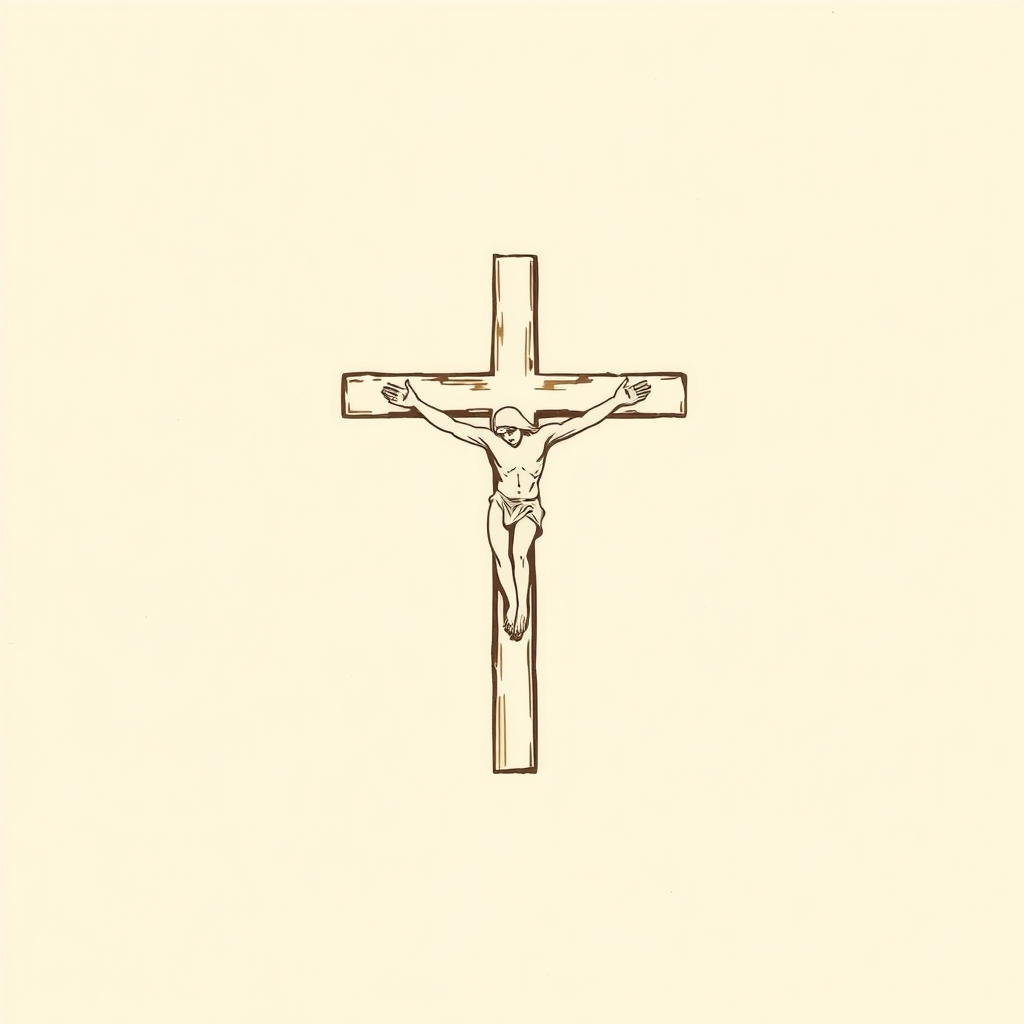
In iconography, Martyrs of Daimiel (26) is recognizable by: crucifix.
How did Martyrs of Daimiel (26) die?
Martyrs of Daimiel (26) suffered martyrdom for the Christian faith (20th century).
Which saints were contemporaries of Martyrs of Daimiel (26)?
Contemporaries include: Pauline of the Agonizing Heart of Jesus, Felipe de Jesús Munárriz and 50 companions, Mariano de Jesús Euse Hoyos and Teresa of Jesus of the Andes.
What are the other names of Martyrs of Daimiel (26)?
Other forms of the name: Nicéphore de Jésus et Marie et ses 25 compagnons and Niceforo de Jesús y María y compañeros.
Annexes & related entities
Structured data for exploration: events, miracles, quotes, places, attributes, patronages, and important entities cited in the text.
Key Events
- Era / death: 1936
- Beatification in 1989 by John Paul II
Quotes
-
None of the religious in the Daimiel community were involved in political matters. Nevertheless, in the climate of the historical period they lived through, they were caught in the storm of religious persecution, generously shedding their blood, faithful to their religious vocation.
https://vertexaisearch.cloud.google.com/grounding-api-redirect/AUZIYQHnVLT7NdaxYkIyJFiZaXj6xEuKhatCpCgG1nHNNpnbM6EHkbCEvjZYCyfRO_3EBS2m7Xl6SFiNmZNUi1w6rf1ffLN4jOP6eQPlnywws2kHVgDSBrWi-iYGt2E4gfSlpq_FUgANwiZtg09uu81YwZr1KfgF5g== -
Most of them, young men aged 18 to 21, dreamed of the priesthood; but the Lord ordained that their first Mass would be their own holocaust.
https://vertexaisearch.cloud.google.com/grounding-api-redirect/AUZIYQHnVLT7NdaxYkIyJFiZaXj6xEuKhatCpCgG1nHNNpnbM6EHkbCEvjZYCyfRO_3EBS2m7Xl6SFiNmZNUi1w6rf1ffLN4jOP6eQPlnywws2kHVgDSBrWi-iYGt2E4gfSlpq_FUgANwiZtg09uu81YwZr1KfgF5g== -
My brothers and my beloved sons: here is our Gethsemane. Nature, in its weak part, fails and is afraid. But Jesus Christ is with us. I am going to give you Him who is the strength of the weak. Jesus was comforted by an angel; as for us, it is Jesus himself who comforts and sustains us... Citizens of Calvary, courage! Let us die for Christ!
https://vertexaisearch.cloud.google.com/grounding-api-redirect/AUZIYQHV9wiMsE4Kuheg-0L69k9Wklj_SUraBWhsGeJ9C6fokpG0sQGaLVaGzKnem4O4NmkVaORF-7XOo0clxg0Fz_17VuklI7urcBejSxi-04y5MIImr-CAR2MSuEDQWZcLE5eI_SQ5zYVTwnmVv8IUXoY=