Initially a canon in Lyon, Jean entered Cîteaux after a divine vision. First Abbot of Bonnevaux in 1117, he became Bishop of Valence in 1141 to restore peace following the scandals of his predecessor. He died in 1145, leaving the image of a charitable and indulgent pastor.
Contemporaries

Figures and markers around the normalized period for this entry.
Guided reading
5 reading sections
SAINT JEAN, FIRST ABBOT OF BONNEVAUX,
AND BISHOP OF VALENCE (1145).
Vocation and mystical vision
A canon in Lyon, John hesitates to join Cîteaux and attempts to substitute his vow with a pilgrimage, before being called to order by a vision of Christ and Saint James.
Born in L yon, he was first a canon of the cathedral of that city. Having made a vow to God to enter the Or der of Cîteaux, he allowed himself for some time to be dissuaded by his friends. Frightened by his own weakness rather than by the rigors of the Benedictine Rule, he believed he could, on his own authority, commute a vow that seemed to him impracticable: based on this false persuasion, he resolved to go on a pilgrimage to the tomb of Saint James of Compostela.
Scarcely back in Lyon, God made him aware of his error in a threatening vision. Our Lord appeared to him, accompanied by Sain t Peter and S aint James. The former held in his hand a book where, among the names of the elect, he pronounced that of John. But Our Lord, rising in wrath, said to Saint Peter: "Erase this name from the book of the elect; John is a perjurer." Then Saint James threw himself at the feet of the Savior and cried out: "Mercy, Lord, for one of my most fervent pilgrims... It is true that John has not been faithful to his promise; but forgive him. Frightened by your threats and touched by your mercies, he will fulfill the vow he made to enter the Order of your children of Cîteaux."
At these words, John awoke, threw himself on his knees, and promised to do penance. Without waiting for the next day, in the very darkness of the night, he set out for Cîteaux, this time informing no one of his determination.
Monastic life and expansion of the Order
Having become abbot of Bonnevaux, he welcomed future saints and founded several Cistercian abbeys in the dioceses of Tarentaise, Valence, and Viviers.
Some time later, John was placed at the head of the colony that Cîteaux sent to B onnevaux, near Vienne, in the Dauphiné (1117). It was he who had the joy of receiving into the arms of religion Saint Peter of Tarentaise, Sain t Amadeus of Hauterives, an d, with the latter, seventeen other gentlemen; and of founding the abbeys of Tamié, in the diocese of Tarentaise, of Léoncel, in the diocese of Valence, and of Mansiade, in the diocese of Viviers.
Accession to the See of Valence
After the expulsion of the corrupt bishop Eustace by the population, John is chosen to restore peace and justice in the diocese of Valence.
Now, at that time, the episcopal see of Valence was occupied by a prelate named Eustace, whose ostentation, foolish expenditures, and harshness toward the poor were not those of a bishop. In vain did Saint Bernard, who watched over everything in the Church of God, write him a severe letter; in vain did the Pope strike him with an interdict: six more years passed during which the prevaricating prelate maintained himself by force in Valence. In the end, the people revolted, seized the person of Eustace, and drove him forever from the city on the day after Easter (1141). Three days l ater , John, whom the bishops of the province of Vienne judged alone capable of healing so many evils, was torn from the arms of his religious brothers and carried in triumph to the episcopal see of Valence.
Pastoral Ministry and Charity
A bishop devoted to the poor, he demonstrated great judicial indulgence and patience in the face of the violence of his opponents.
We shall not follow the good shepherd going through towns and hamlets, seeking the lost sheep, consoling the needy, rendering justice to each. It was desired to see the money in his alms purse multiply as he distributed it to the poor, and the stones of Livron were used by the pa rtisans of Eustace to stone him: but the Saint did not even seem to notice this affront: he continued on his way saying: "Lord, do not hold this sin against them."
— "The house where I speak to you," he said to his judicial officers who complained of his excessive indulgence, "has seen enough rigors and violence: it is time that we consider, you and I, that we are men, capable, consequently, of committing crimes as great as those we would wish to punish in others with such severity." It must not be forgotten that, in the Middle Ages, most bishops were temporal lords.
The historian of his life — an anonymous religious of Bonnevaux — summarized in three words the goal of the efforts of the holy bishop of Valence: the glory of God, the salvation of his soul, the care of his flock.
Death and fate of the relics
John died in 1145; his tomb, which became a place of pilgrimage, was destroyed by the Protestants in the 16th century.
John rendered his soul to his Creator on a Thursday, April 26, in the year 1145. The tomb, where he was buried in the cathedral church, soon attracted an immense gathering of pilgrims. This tomb and the holy relics it contained were profaned in 1562 by the Protes tants. No t race of them remains today.
Cf. Propre de Valence, 1853, and Histoire hagiologique de ce diocèse, by M. Nadal.
Iconography
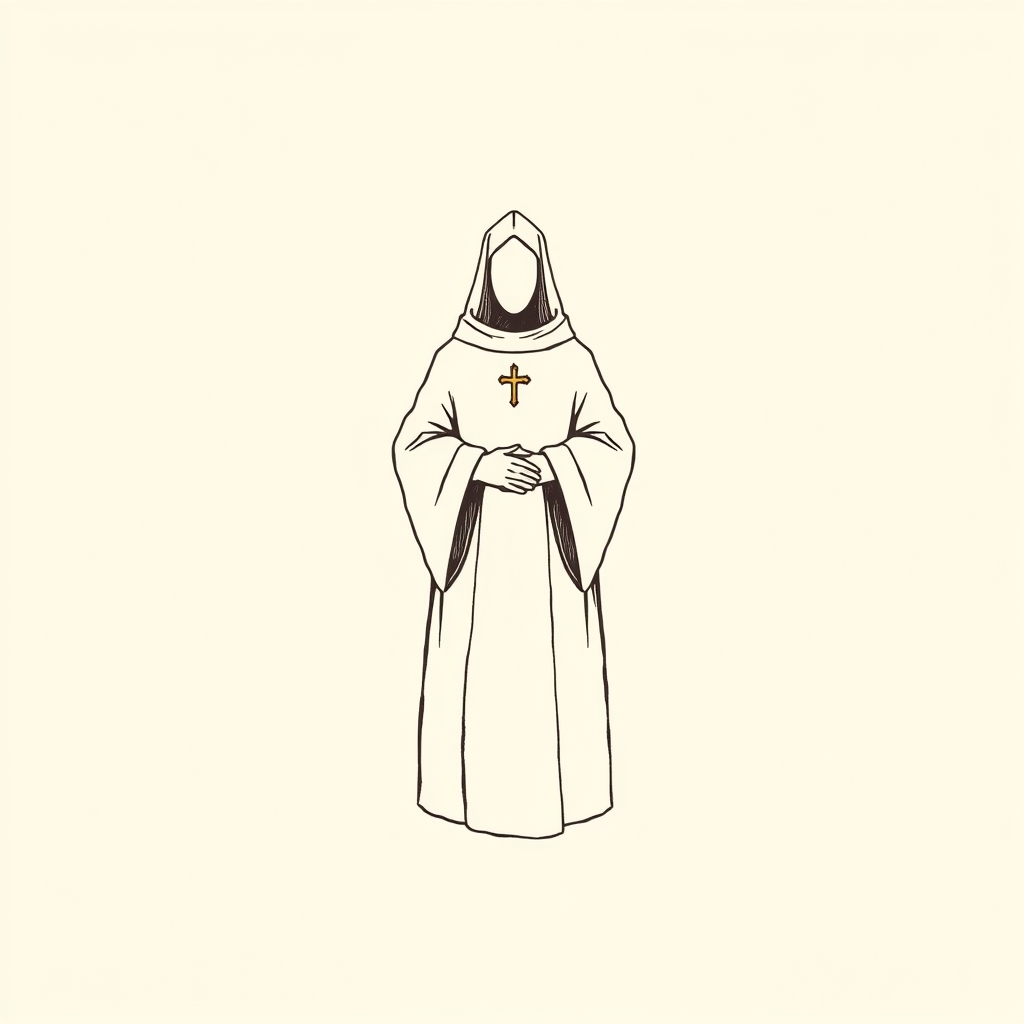
Signs and attributes


Entities
Narrative network
The names, places, and concepts most present in the entry, weighted by centrality in the text.
The supernatural in their life
The miracles of Saint John of Valence
Frequently asked questions about Saint John of Valence
Who was Saint John of Valence?
Initially a canon in Lyon, Jean entered Cîteaux after a divine vision. First Abbot of Bonnevaux in 1117, he became Bishop of Valence in 1141 to restore peace following the scandals of his predecessor. He died in 1145, leaving the image of a charitable and indulgent pastor.
What is Saint John of Valence the patron saint of?
Patronage of Saint John of Valence: Diocese of Valence and Bonnevaux Abbey.
What is Saint John of Valence invoked for?
Saint John of Valence is invoked for: justice and indulgences.
How is Saint John of Valence depicted in Christian art?
In iconography, Saint John of Valence is recognizable by: Cistercian habit, episcopal crosier and stones (reference to his stoning).
What miracles are attributed to Saint John of Valence?
2 miracles are attributed to this saint, notably: Vision / apparition and Multiplication / provision.
Which saints were contemporaries of Saint John of Valence?
Contemporaries include: Saint Norbert of Magdeburg, Saint Bernard of Clairvaux, Saint Stephen of Hungary and Saint Arthaud of Belley.
When did Saint John of Valence die?
Saint John of Valence died around 1145.
What are the other names of Saint John of Valence?
Other forms of the name: Jean de Bonnevaux.
Annexes & related entities
Structured data for exploration: events, miracles, quotes, places, attributes, patronages, and important entities cited in the text.
Key Events
- Canon of Lyon Cathedral
- Vow to enter Cîteaux and pilgrimage to Compostela
- Vision of Our Lord, Saint Peter and Saint James
- Entered the Abbey of Cîteaux
- Appointed Abbot of Bonnevaux in 1117
- Election to the episcopal see of Valence in 1141
- Stoning by Eustace's supporters in Livron
- Died on April 26, 1145
Quotes
-
Lord, do not hold this sin against them
Source text (at the time of his stoning) -
It is time for us to consider, you and I, that we are men, capable, therefore, of committing crimes as great as those we would wish to punish.
Source text (speech to judicial officers)