Ubaldesca Taccini
Ubaldesca Taccini (1136-1206) was an Italian Hospitaller nun of the Order of Saint John of Jerusalem, renowned for her devotion to the poor and the sick in Pisa.
Contemporaries

Figures and markers around the normalized period for this entry.
Guided reading
5 reading sections
Biography
The youth of Ubaldesca Taccini in Calcinaia and her entry at the age of fifteen into the Order of Saint John of Jerusalem in Pisa.
Ubaldesca Taccini was born in 1136 in Calcinaia, a village located in the province of Pisa, in Tuscany (Italy). Coming from a family of modest peasants, she grew up in an atmosphere of simple and rigorous piety, manifesting from her childhood a deep attraction for prayer, fasting, and helping the poor. At the age of fifteen, desirous of dedicating her life entirely to God and to the relief of human suffering, she left her native village for the city of Pisa. There, she was admitted into the Order of Saint John of Jerusalem (the Hospitallers, today known as the Order of Malta). She spent the rest of her existence—that is, fifty-five years of religious life—in the service of the sick and the needy within the confines of the monastery and the hospital of the Order in Pisa. She passed away on May 28, 1206, in Pisa.
Life and Work
Ubaldesca's daily dedication at the hospice of Pisa, her mortifications, and the miracle of the transformation of water into wine.
Ubaldesca's life within the Order of Saint John of Jerusalem is a model of hidden dedication and humility. She worked daily in the infirmary and the hospice ("Spedale") of Pisa, caring for the sick, dressing the wounds of the injured, washing linens, and offering comfort and food to passing pilgrims. Her daily life was marked by absolute poverty and severe bodily mortifications. To provide for the needs of the indigent welcomed by the Order, she obtained permission to travel through the city of Pisa to beg for alms. Tradition reports that during one of her quests, a stone fell from a construction site and seriously wounded her in the head. Ubaldesca accepted this painful wound as a grace of penance and a participation in the Passion of Christ; the wound never closed during her lifetime. The most famous miracle attributed to her concerns the transformation of water into wine. While she was drawing water from the well of the Church of the Holy Sepulchre in Pisa, tired pilgrims approached her to ask for a drink. After Ubaldesca blessed the water she offered them, it miraculously turned into wine to restore their strength.
Path to Holiness
The immediate popular veneration after her death and the spread of her cult by the Order of Saint John of Jerusalem, particularly in Malta.
Upon her death, which occurred on May 28, 1206 (the feast day of the Holy Trinity that year), the population of Pisa began spontaneously to invoke and venerate her as a saint. Her body was initially placed in the crypt of the Church of the Holy Sepulchre in Pisa, a site then belonging to the Order. Numerous unexplained healings and miracles were quickly reported at her tomb, spreading her reputation for holiness well beyond Tuscany. Devotion to Ubaldesca was particularly encouraged by the Order of Saint John of Jerusalem. In 1587, under the magisterium of Grand Master Hugues de Loubenx de Verdalle, a portion of her relics was solemnly transferred to Malta, where the Order had established itself. Pope Sixtus V then granted a plenary indulgence to all the faithful who visited the church housing her relics in Malta on the day of her liturgical feast. In 1630, Grand Master Antoine de Paule laid the first stone of the Church of Saint Ubaldesca in Paola (Malta), consolidating the anchoring of her cult within the Maltese archipelago.
Beatification and canonization
The official confirmation of her cult by Pope John Paul II in 1987 and the translation of her relics to Calcinaia in 1924.
Although Ubaldesca Taccini is historically qualified as a "saint" by popular fervor and the liturgical tradition of the Order of Malta, she has not been the subject of a formal canonization process according to the modern criteria of the Catholic Church. Her cult has, however, been officially recognized and confirmed by the Holy See. On July 4, 1987, by a decree of the Congregation for Divine Worship under the pontificate of Pope John Paul II, the Church officially approved the concession of the Mass and Office in her honor for the Sovereign Order of Malta, thus liturgically confirming her status as blessed. In Italy, faced with the decline of her cult in Pisa after the departure of the Knights of Malta, the inhabitants of her native village demanded the return of her remains. On May 24, 1924, the Archbishop of Pisa, Cardinal Pietro Maffi, authorized the solemn translation of her entire body from Pisa to the church of San Giovanni Battista in Calcinaia, where she is venerated today as patron saint.
Spirituality and legacy
Ubaldesca's Hospitaller charism, the annual celebrations in Calcinaia, and her iconographic representations.
The spirituality of Ubaldesca Taccini perfectly illustrates the founding charism of the Hospitallers: the unconditional service of the poor and the sick (Obsequium Pauperum). Her holiness was forged not in great theological treatises or positions of power, but in the humility of the most thankless daily tasks, performed with love and patience. Her legacy remains alive in Calcinaia, where she is celebrated each year at the end of May with religious festivities and the traditional Regata Storica (historic regatta on the Arno), which pits the different districts of the city against each other in her honor. In Malta, the Baroque church of Paola dedicated to her remains an important historical and spiritual monument. In Christian iconography, she is depicted wearing the habit of the Hospitaller nuns of Saint John, often holding a bucket of water (symbol of the miracle of the well), a loaf of bread, or a palm branch evoking her spiritual martyrdom through penance.
Iconography
Signs and attributes
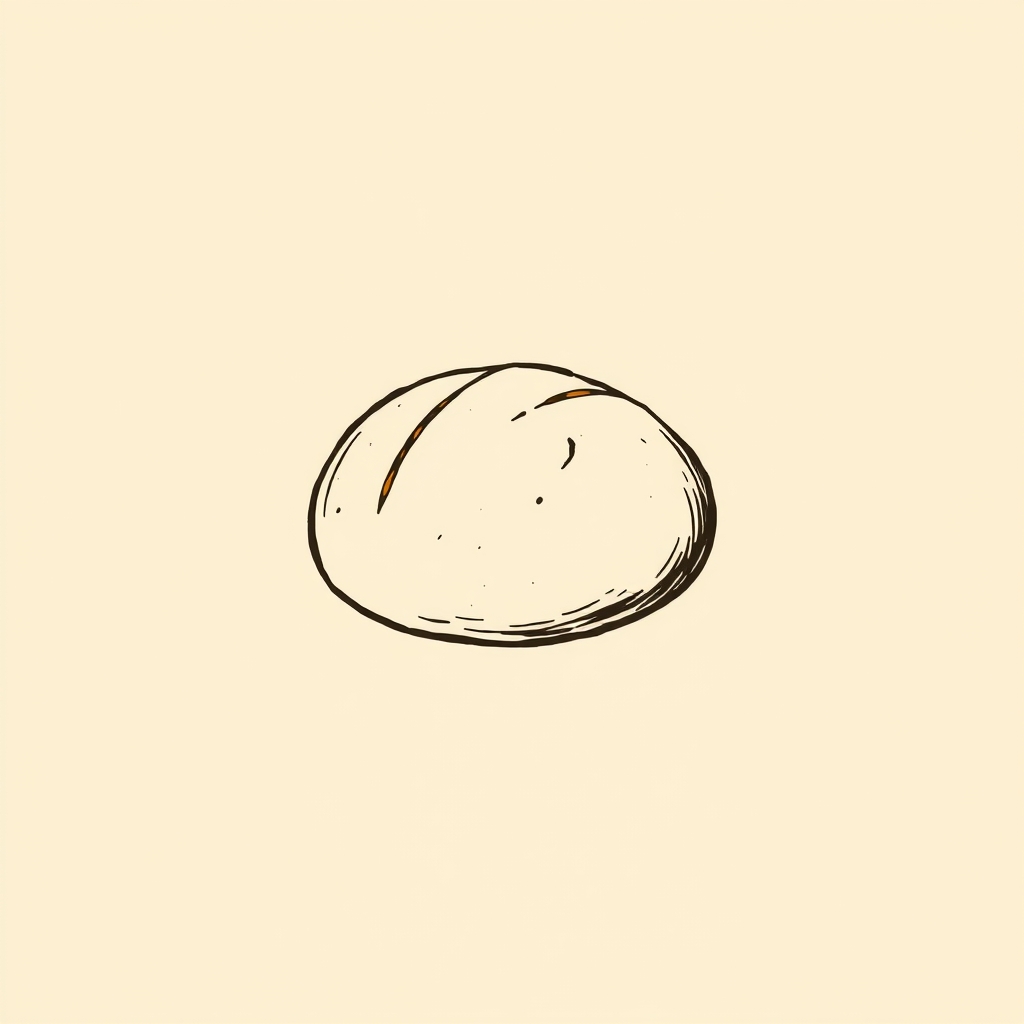

The supernatural in their life
The miracles of Ubaldesca Taccini
Frequently asked questions about Ubaldesca Taccini
Who was Ubaldesca Taccini?
Ubaldesca Taccini (1136-1206) was an Italian Hospitaller nun of the Order of Saint John of Jerusalem, renowned for her devotion to the poor and the sick in Pisa.
What is Ubaldesca Taccini the patron saint of?
Patronage of Ubaldesca Taccini: Calcinaia and Calcinaia.
How is Ubaldesca Taccini depicted in Christian art?
In iconography, Ubaldesca Taccini is recognizable by: habit of the Hospitaller nuns of Saint John, bucket of water, bread and palm.
What miracles are attributed to Ubaldesca Taccini?
1 miracle are attributed to this saint, notably: Multiplication / provision.
Which saints were contemporaries of Ubaldesca Taccini?
Contemporaries include: Saint Anthony of Padua (Ferdinand), Saint Arthaud of Belley, Saint Thomas Aquinas and Saint Bernard of Clairvaux.
When did Ubaldesca Taccini die?
Ubaldesca Taccini died around 1206.
Annexes & related entities
Structured data for exploration: events, miracles, quotes, places, attributes, patronages, and important entities cited in the text.
Key Events
- Era / death: 1206
- Beatification in 1987 by John Paul II