A monk and later a reforming abbot in Bavaria, Gothard became bishop of Hildesheim in 1020 under the impetus of Emperor Henry. He distinguished himself by his apostolic zeal, the construction of a hospital on a former marsh, and numerous miracles, including that of the dead rising from their graves to set an example of obedience.
Contemporaries

Figures and markers around the normalized period for this entry.
Guided reading
4 reading sections
SAINT GOTHARD OR GODARD, BISHOP OF HILDESHEIM (1038).
Monastic formation and reforms
Born in Bavaria, Gothard became a monk and then abbot at Altaich before reforming several prestigious abbeys under the influence of Emperor Henry II.
Saint Gothard , born i n Bavar ia at the end of the 10th century, was raised with care, and, after excellent studies in which he made great progress in the sciences and in virtue, he left the world to become a monk in t he abbey of Alta ich. He became successively its prior and abbot, and knew how to maintain the most edifying regularity there. He was then tasked with reforming the abbeys of Hersfeld in Hesse, Tegernsee in the diocese of Freisingen, and Kremsmünster in the diocese of Passau, a difficult mission which he carried out successfully. He was elected to succeed Sai nt Bernwar d, Bishop of Hildesheim, who died in 1020; but it to ok all the influence o f the Emperor Saint Henry to make him acquiesce to his election.
Episcopate in Hildesheim
Succeeding Saint Bernward, he transformed his chapter into a monastery, founded schools, and improved the city by building a hospital.
It soon appeared that the grace of ordination had given him new strength to fulfill the functions of his new ministry, which he discharged with the greatest zeal, the most enlightened prudence, and a rare trust in the help of God. He established a very regular discipline in the Chapter of his cathedral, to the point that he formed it into a true monastery. He instituted schools to train the youth in virtue as well as in letters, and watched over those he had chosen from among the others himself, and whom he raised in his seminary for the ministry of the altars. He did not neglect the external worship of God either; he repaired churches, built new ones, and took care of the fabrics, ecclesiastical revenues, and the ornaments of the temples. He had the church demolished that Otwin, the tenth bishop of Hildesheim, had raised in honor of Saint Mary and Saint Epiphanius, and which had entirely fallen into ruins; he had a convent built in the same place, which was completed in the third year of his government. There was at the edge of his episcopal city a marsh that popular terror claimed was haunted by evil spirits and ghosts. Our Saint had it drained and went to pitch his tent there: it was also there that he raised a vast hospital where all miseries and all necessities found relief: strangers were welcomed there just like the local people.
Miracles and spiritual authority
Gothard manifests his holiness through exorcisms and a spectacular miracle where the dead obey his orders to set an example for the excommunicated.
In 1023, the Archbishop o f Mainz convened a national synod to which our Saint was also summoned. While traveling there, in the vicinity of Grüns castle, he delivered a possessed man who was generally reputed as such. This miracle, which eyewitnesses spread everywhere despite his prohibition, gave new luster to his holiness:
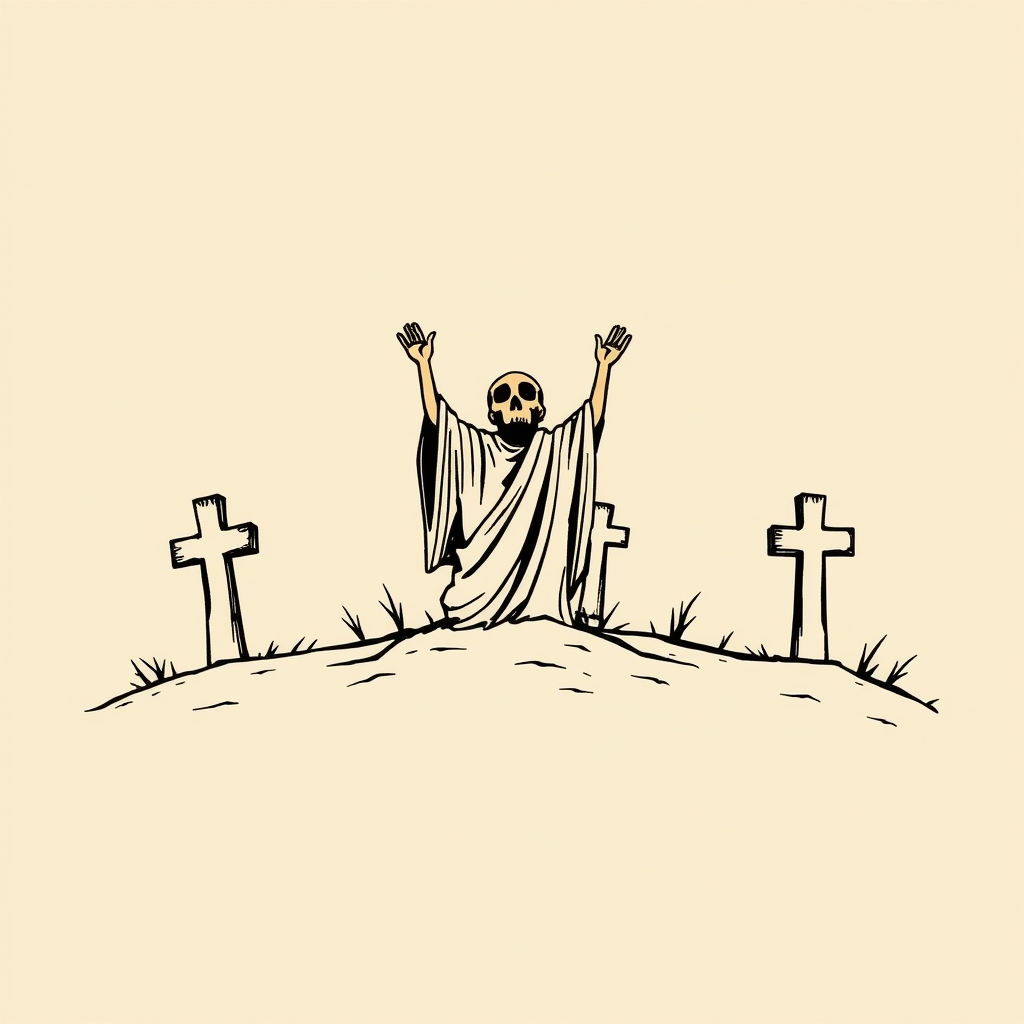
But this was the least of his miracles: he performed countless others before and after his death. One, among others, struck the imagination of the masses more vividly and served to characterize him in prints and bas-reliefs. He had excommunicated certain of his diocesans: now, one day as he was preparing to celebrate the holy mysteries, he saw them enter the church, in spite of the excommunication. Invoking the power of God, he ordered the dead to rise from their tombs and set an example of obedience to the transgressors of his ordinances: the former lifted the lids of their sepulchers, organized a procession, and exited the church.
Cult and posterity
After his death in 1038 and his canonization in 1131, his cult developed through monasteries and the veneration of his relics.
He died on May 4, 1038, and was canonized in 1131 by Innocent II . Several churches in Germany honor him as their patron. He left behind letters that breathe piety and prove that he was one of the most learned men of his century.
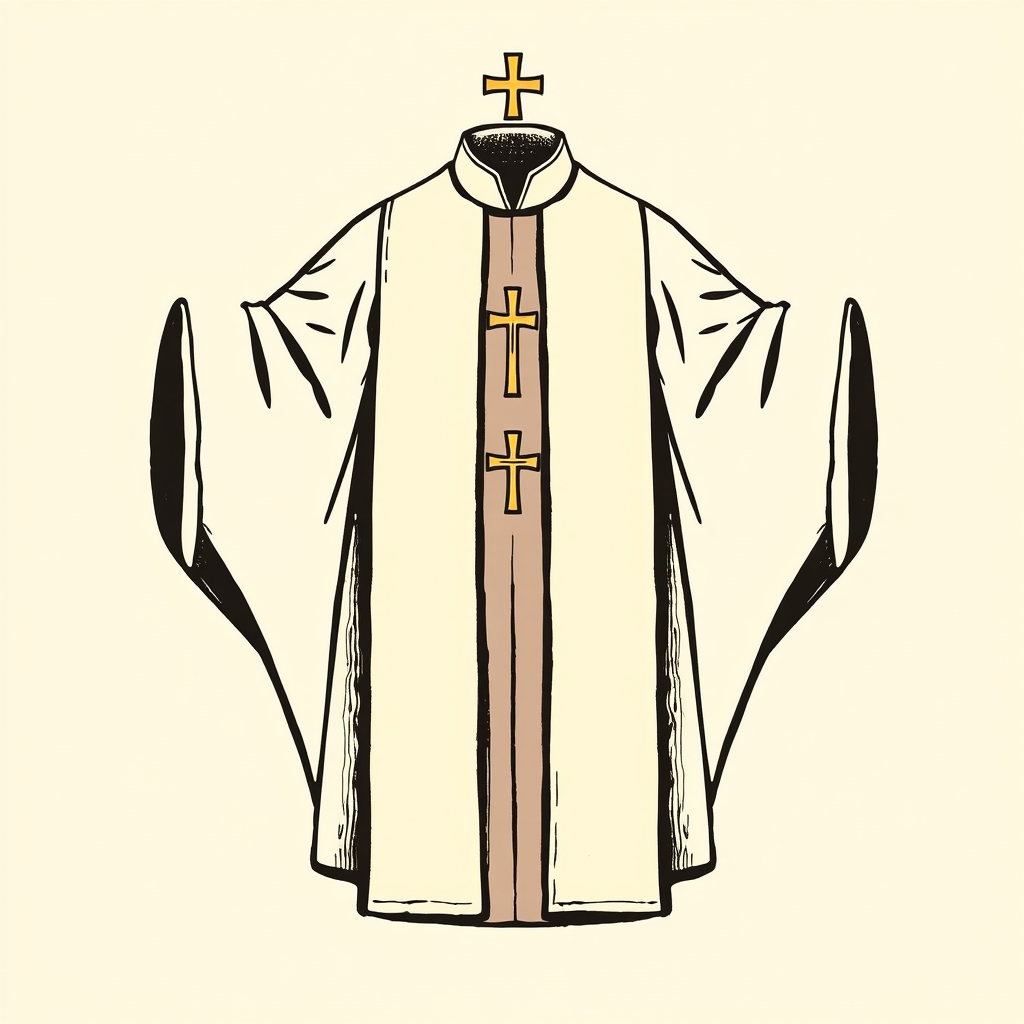
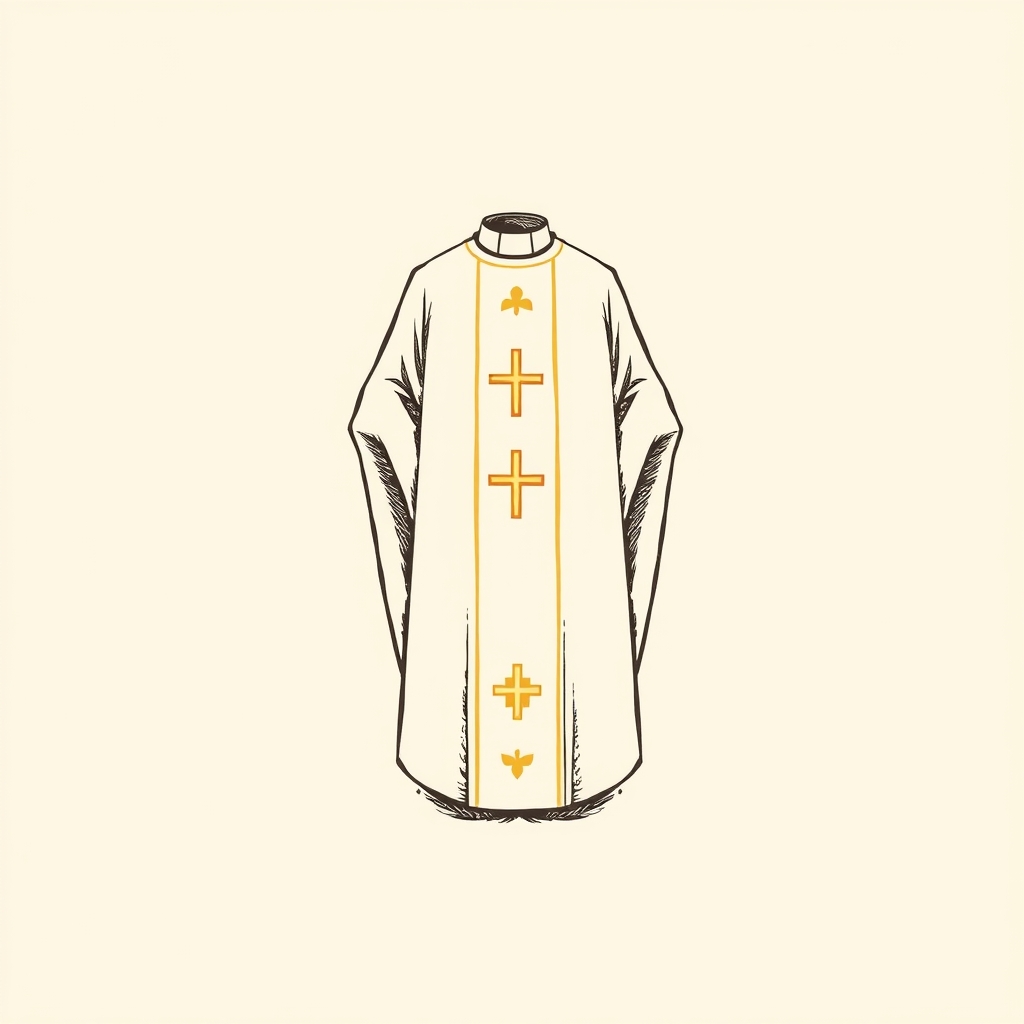
In the year 1132, which followed his canonization and the translation of his relics, the construction of a monastery of the Order of Sai nt Benedict began, un der the invocation of Saint Gothard, and two altars were consecrated to him in the cathedral. In the 16th century, a chasuble that had belonged to h im and s everal other relics were kept in the latter, which still attracted the veneration not only of Catholics but also of Protestants: pregnant women in particular had recourse to the Saint.
Iconography
Signs and attributes
Entities
Narrative network
The names, places, and concepts most present in the entry, weighted by centrality in the text.
The supernatural in their life
The miracles of Saint Godehard (Gotthard)
Frequently asked questions about Saint Godehard (Gotthard)
Who was Saint Godehard (Gotthard)?
A monk and later a reforming abbot in Bavaria, Gothard became bishop of Hildesheim in 1020 under the impetus of Emperor Henry. He distinguished himself by his apostolic zeal, the construction of a hospital on a former marsh, and numerous miracles, including that of the dead rising from their graves to set an example of obedience.
What is Saint Godehard (Gotthard) the patron saint of?
Patronage of Saint Godehard (Gotthard): Hildesheim and Several churches in Germany.
What is Saint Godehard (Gotthard) invoked for?
Saint Godehard (Gotthard) is invoked for: pregnant women.
How is Saint Godehard (Gotthard) depicted in Christian art?
In iconography, Saint Godehard (Gotthard) is recognizable by: episcopal vestments, dead rising from their graves and chasuble.
What miracles are attributed to Saint Godehard (Gotthard)?
3 miracles are attributed to this saint, notably: Exorcism, Sign / wonder, Eucharistic and Mastery of the elements.
Which saints were contemporaries of Saint Godehard (Gotthard)?
Contemporaries include: Saint Bernard of Menthon (Apostle of the Alps), Saint Stephen of Hungary, Saint Norbert of Magdeburg and Saint Bernard of Clairvaux.
When did Saint Godehard (Gotthard) die?
Saint Godehard (Gotthard) died around 1100.
What are the other names of Saint Godehard (Gotthard)?
Other forms of the name: Godard and Godehardus.
Annexes & related entities
Structured data for exploration: events, miracles, quotes, places, attributes, patronages, and important entities cited in the text.
Key Events
- Entered Altaich Abbey as a monk
- Reform of the abbeys of Hersfeld, Tegernsee, and Kremsmünster
- Election to the episcopal see of Hildesheim in 1020
- Participation in the national synod of Mainz in 1023
- Canonization by Innocent II in 1131