María del Pilar Cimadevilla López-Dóriga
María del Pilar Cimadevilla López-Dóriga (1952-1962), known as Pilina, is a young Spanish layperson declared Venerable, known for her joyful offering of illness for the missions.
Contemporaries

Figures and markers around the normalized period for this entry.
Guided reading
5 reading sections
Biography
Birth and childhood of María del Pilar Cimadevilla López-Dóriga, nicknamed Pilina, in Madrid.
María del Pilar Cimadevilla López-Dóriga, affectionately nicknamed "Pilina," was born in Madrid (Spain) on February 17, 1952. She was the daughter of Colonel Amaro Cimadevilla Álvarez and María del Rosario López-Dóriga de la Roza. She grew up in a large family of seven children, two of whom died in early childhood. From her early childhood, Pilina manifested a sharp intelligence, a joyful temperament, and a precocious and profound piety. She studied at the school of the religious sisters of the Institute of the Daughters of the Union of Jesus Christ the King (Hijas de Cristo Rey). On May 15, 1959, she made her first communion, a significant event that inaugurated her practice of daily communion.
Life and Work
Pilina's illness and her commitment to the Union of Missionary Sick at the hospital.
At the age of nine, Pilina began to suffer from severe bone pain, fatigue, and loss of appetite. She was then admitted to the Gómez Ulla Military Hospital in Madrid. It was there that she was diagnosed with Hodgkin's lymphoma, an incurable disease at the time. During her hospitalization, she was cared for by the Daughters of Charity of Saint Vincent de Paul. One of the nursing sisters suggested she join the Union of Missionary Sick (Unión de Enfermos Misioneros - UEM). This association invites sick people to offer their sufferings and prayers for the spiritual support of missionaries and the evangelization of the world. Pilina welcomed this proposal with immense enthusiasm. She committed herself fully to this work, transforming her hospital bed into a true place of apostolate. Every day, she recited the Union's prayer while holding her crucifix. Despite the intensity of her pain, she never complained, striving to hide her suffering so as not to distress her loved ones and offering every trial for the conversion of souls and the support of priests on mission. Her heroic attitude and constant joy deeply impressed the doctors, nurses, and other patients at the hospital.
Path to Holiness
The holy end of Pilina's life and the opening of her cause for canonization in Madrid.
The illness progressed rapidly, considerably weakening the young girl, who weighed only 14 kilos at the end of her life. Nevertheless, she maintained an extraordinary inner peace, nourished by the prayer of the Rosary and the daily reception of the Eucharist. Pilina passed away holily on March 6, 1962, at the age of ten, in her mother's arms. Her reputation for holiness spread immediately beyond the hospital. Faced with the influx of testimonies regarding her virtuous life, the Archbishop of Sion and Vicar General of the Spanish Military Ordinariate, Msgr. Luis Alonso Muñoyerro, requested the opening of her cause for canonization. The diocesan process was officially opened in Madrid on June 20, 1963.
Beatification and canonization
The recognition of the heroic virtues of Pilina by Pope John Paul II in 2004.
After the closure of the diocesan inquiry, the cause was transmitted to Rome, where the Congregation for the Causes of Saints validated the procedure. The Positio on her heroic virtues was subjected to an in-depth examination by theological consultants on October 28, 2003. On January 13, 2004, the cardinals and bishops of the Congregation confirmed that she had lived the Christian virtues to a heroic degree. On April 19, 2004, Pope John Paul II authorized the promulgation of the decree recognizing the heroic nature of her virtues, thus conferring upon her the title of Venerable. Her mortal remains rest in the chapel of the Virgin of the Castle (Virgen del Castillo) within the Real Iglesia Parroquial de San Ginés in Madrid, where many faithful come to pray to ask for her beatification.
Spirituality and legacy
Pilina's spirituality of offering and her legacy as a model for missionary childhood.
Pilina's spirituality rests on the joyful offering of suffering united to the sacrifice of Christ for the salvation of the world. She embodies in an exemplary way the figure of the 'missionary child' and the 'missionary sick person.' Her life demonstrates that holiness and apostolic commitment do not depend on age or physical strength, but on docility of spirit and unconditional love for Jesus. One evening of great suffering, she confided with touching humility: 'Tonight, it seems to me that I did not know how to suffer well, because I got a little annoyed and I bothered Mom a lot. I will not have helped any missionary.' Still today, her testimony is proposed as a model in Spanish catechesis and by the Pontifical Mission Societies (PMS) to teach children the value of sharing the faith and spiritual offering.
Iconography
Signs and attributes
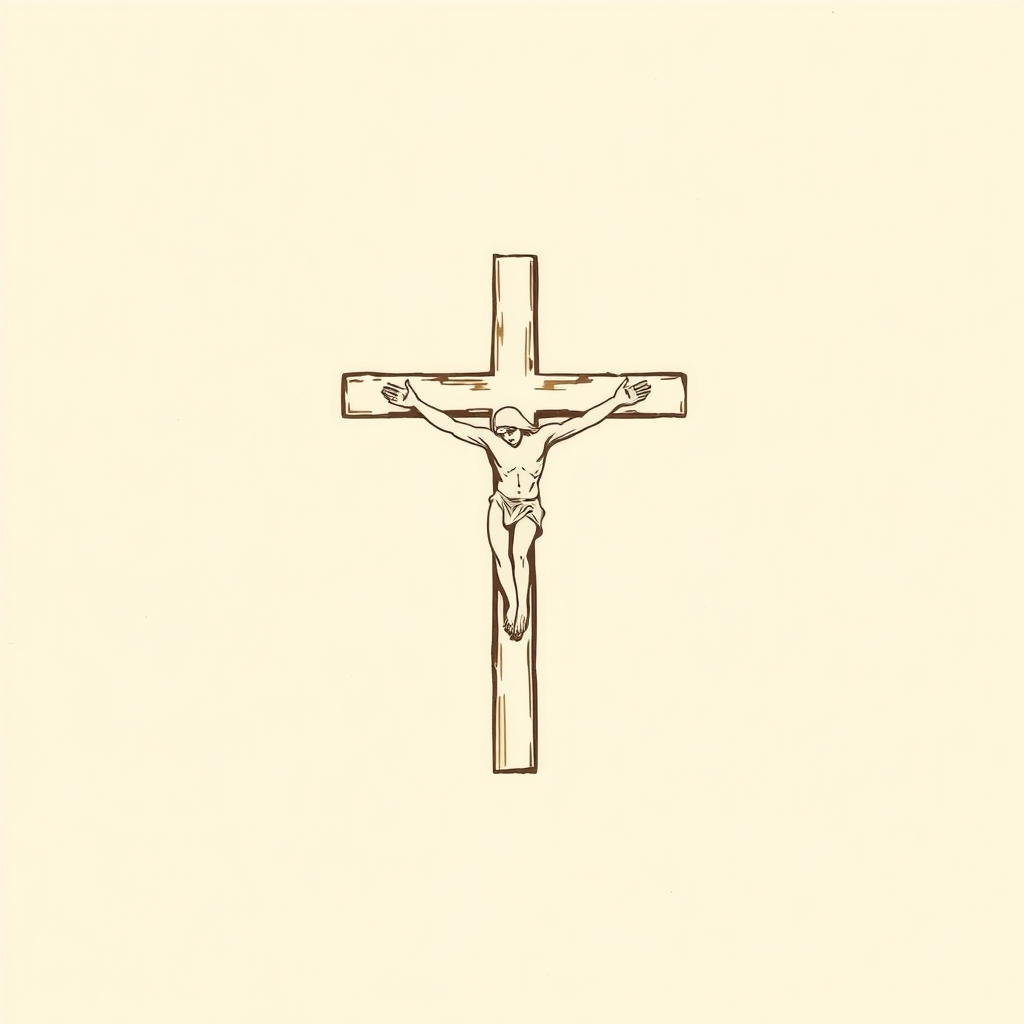
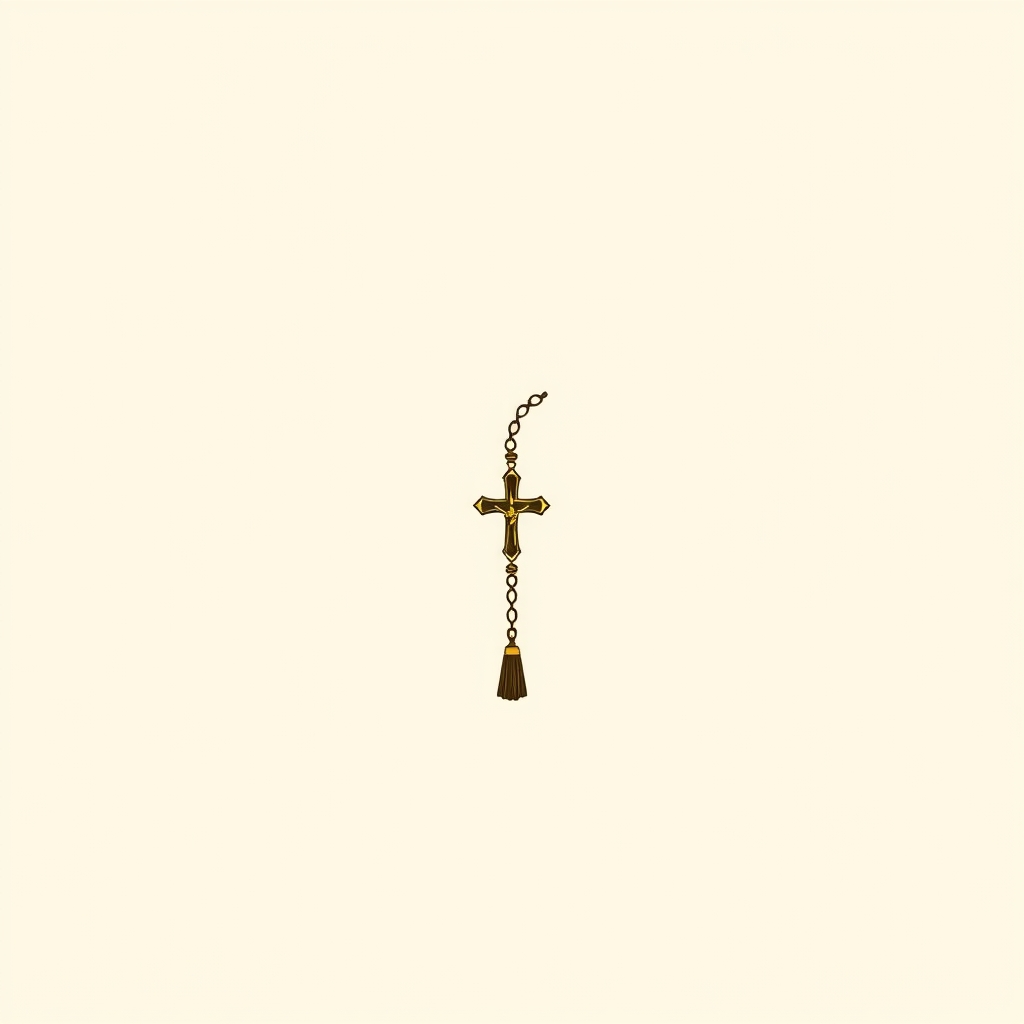
Frequently asked questions about María del Pilar Cimadevilla López-Dóriga
Who was María del Pilar Cimadevilla López-Dóriga?
María del Pilar Cimadevilla López-Dóriga (1952-1962), known as Pilina, is a young Spanish layperson declared Venerable, known for her joyful offering of illness for the missions.
How is María del Pilar Cimadevilla López-Dóriga depicted in Christian art?
In iconography, María del Pilar Cimadevilla López-Dóriga is recognizable by: crucifix and rosary.
Which saints were contemporaries of María del Pilar Cimadevilla López-Dóriga?
Contemporaries include: Pauline of the Agonizing Heart of Jesus, Felipe de Jesús Munárriz and 50 companions, Mariano de Jesús Euse Hoyos and Teresa of Jesus of the Andes.
When did María del Pilar Cimadevilla López-Dóriga die?
María del Pilar Cimadevilla López-Dóriga died around 1962.
What are the other names of María del Pilar Cimadevilla López-Dóriga?
Other forms of the name: Pilina and María del Pilar Cimadevilla y López-Dóriga.
Who are the relatives of María del Pilar Cimadevilla López-Dóriga?
Relatives of María del Pilar Cimadevilla López-Dóriga: Amaro Cimadevilla Álvarez (father) and María del Rosario López-Dóriga de la Roza (mother).
Annexes & related entities
Structured data for exploration: events, miracles, quotes, places, attributes, patronages, and important entities cited in the text.
Key Events
- Era / death: 1952-1962
- Decree of venerability by John Paul II
Quotes
-
Tonight, it seems to me that I did not know how to suffer well, because I got a little annoyed and I disturbed Mom a lot. I will not have helped any missionary.
https://vertexaisearch.cloud.google.com/grounding-api-redirect/AUZIYQG72b87b05ePPLjYMmOaQZLEvksIxHPTp23qNTxDCohN_baBKsFOyjEn03BzRUryZotc9fJqWlXT-Or8egrAr0M6PHg4xYBC_wCmgNSZbmc4Q8jyrD8Ndk-n2iN2BT3dTp-QBev4g==