Saint Maximus of Turin
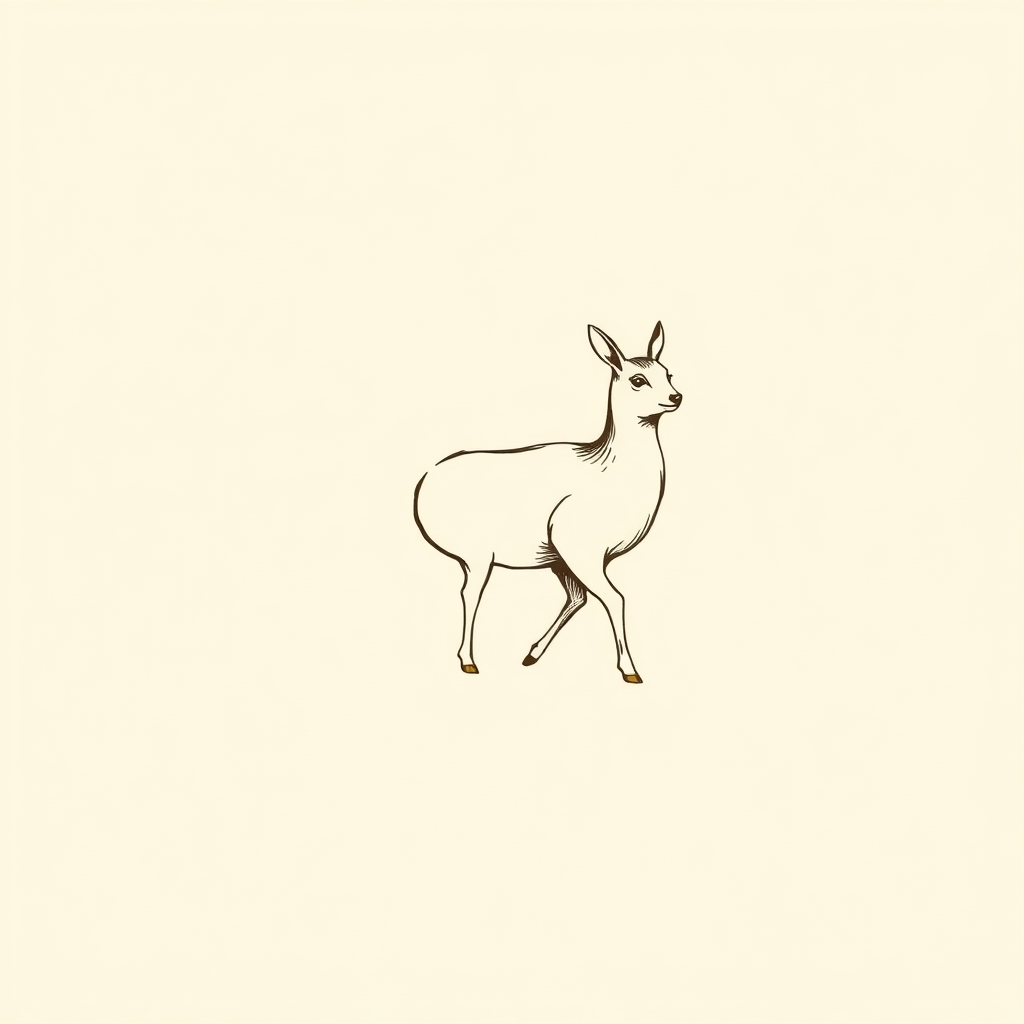
Bishop of Turin in the 5th century, Saint Maximus was an eloquent preacher and a prolific author whose homilies are still read today. He participated in the councils of Milan and Rome, distinguishing himself by his piety and knowledge of the Scriptures. Tradition depicts him with a doe that he had milked to quench the thirst of a man who was spying on him.
Contemporaries

Figures and markers around the normalized period for this entry.
Guided reading
4 reading sections
SAINT MAXIMUS, BISHOP AND PATRON OF TURIN (466).
Life and Episcopal Ministry
Bishop of Turin in the 5th century, Maximus is recognized for his eloquence and his participation in the councils of Milan and Rome.
Saint Maximus, Bishop of Turi n, praised b y Genna dius for the particular gift he had of speaking extemporaneously, taught the people the truths he had learned from the Scripture, which was his ordinary study. There is reason to believe he was from Verc elli. H e attended, in 450, the Council of M ilan, assembled by Bishop Sai nt Eusebius, and the one that Po pe Hilarus h eld in R ome, in 465; he is named first after the Pope in this council, an honor that was apparently deferred to him, either for his great age or for his personal merit. He protested, in this assembly, that he could not better mark his sentiment on the observation of the canons, touching the ordination of the ministers of the Church, than by declaring that he always observed them inviolably. This is all we know of the life and actions of this holy bishop. He died probably in 465.
Iconography and miracle
The episode of a doe quenching the thirst of a repentant spy explains the traditional representation of the saint in art.
Saint Maximus is usually depicted with a doe that he is showing to a spy. This is an allusion to the following fact: Saint Maximus was accustomed to going often to pray in a remote chapel; it was imagined that some evil design led him to this place. A man spied on him and was seized by such a burning thirst that he was forced to turn to the Saint. The bishop pointed out a doe to him, which allowed itself to be milked to quench his thirst.
Literary Heritage
Author of numerous homilies and theological treatises, his writings were the subject of major editions until the 18th century.
Saint Maximus is especially famous for the writings he left behind. We have from him Homilies on the birth of Jesus Christ, for the Sundays of Lent, on the Passion, on the feast of Easter, on the feast of Pentecost, in praise of the Saints, and on various points of moralit y. Father Murato ri published a large number of them. — We also have from Saint Maximus an Exposition of the Chapters of the Gospels; Expositions of the Gospels; a treatise on the Names of the twelve Apostles; three treatises on Baptism; and two others against the Jews and the Pagans.
In 1784, the Propaganda printing house in Rome publ ished, by o rder of Pope Pius VI, a folio edition of the complete works of Saint Maximus. It was reproduced in vol ume LVII of the P atrologia Latina.
Doctrine and oratorical style
His style, imbued with the Scriptures, is inspired by Saint Augustine and Saint Ambrose and nourishes the Roman liturgy.
Saint Maximus has always been held in high regard in the Church, and the compilers of th e Roman Breviary have drawn several lessons from him. He is remarkable for the abundance of his doctrine and his natural eloquence; he pleases his readers with the purity of his language; he holds them captivated by the subtlety of his sentences and the gravity of his discourse; relying constantly on the Holy Letters, he continually brings forward as proof the words of Scripture, which he comments upon with marvelous ease. He frequently imitates Saint Augusti ne a nd Saint Ambro se, the two most famous doctors and orators of the Latin Church.
Dom Cellier: Histoire générale des auteurs sacrés et ecclésiastiques; — Cf. Baillet.
Iconography
Signs and attributes


Entities
Narrative network
The names, places, and concepts most present in the entry, weighted by centrality in the text.
The supernatural in their life
The miracles of Saint Maximus of Turin
Frequently asked questions about Saint Maximus of Turin
Who was Saint Maximus of Turin?
Bishop of Turin in the 5th century, Saint Maximus was an eloquent preacher and a prolific author whose homilies are still read today. He participated in the councils of Milan and Rome, distinguishing himself by his piety and knowledge of the Scriptures. Tradition depicts him with a doe that he had milked to quench the thirst of a man who was spying on him.
What is Saint Maximus of Turin the patron saint of?
Patronage of Saint Maximus of Turin: Turin.
How is Saint Maximus of Turin depicted in Christian art?
In iconography, Saint Maximus of Turin is recognizable by: hind, spy, book and episcopal insignia.
What miracles are attributed to Saint Maximus of Turin?
1 miracle are attributed to this saint, notably: Multiplication / provision and Conversion.
Which saints were contemporaries of Saint Maximus of Turin?
Contemporaries include: Saint Augustine of Hippo, Saint Honoratus of Arles, Saint James of Tarentaise and Saint Jerome of Stridon.
When did Saint Maximus of Turin die?
Saint Maximus of Turin died around 465.
What are the other names of Saint Maximus of Turin?
Other forms of the name: Maximus Taurinensis.
Annexes & related entities
Structured data for exploration: events, miracles, quotes, places, attributes, patronages, and important entities cited in the text.
Key Events
- Participation in the Council of Milan in 450
- Participation in the Council of Rome in 465 under Pope Hilarius
- Authoring of numerous homilies and theological treatises