Pio of Pietrelcina
Italian Capuchin (1887-1968), Padre Pio bore the stigmata for fifty years at San Giovanni Rotondo and was canonized in 2002 by John Paul II.
Contemporaries

Figures and markers around the normalized period for this entry.
Guided reading
5 reading sections
Biography
Born Francesco Forgione in 1887 in Pietrelcina, into a peasant family in southern Italy, he entered the Capuchins and was ordained a priest in 1910.
Francesco Forgione was born on May 25, 1887, in Pietrelcina, in the Archdiocese of Benevento, in southern Italy. He was the son of Grazio Forgione and Giuseppa De Nunzio, modest farmers who were deeply religious. From childhood, he manifested an intense piety and an attraction to religious life. On January 6, 1903, at the age of sixteen, he entered the novitiate of the Order of Friars Minor Capuchin in Morcone; he received the Franciscan habit on January 22, 1903, under the name of Fra Pio da Pietrelcina. After his years of formation, marked by fragile health, he was ordained a priest on August 10, 1910, in Benevento. In 1916, he was assigned to the convent of San Giovanni Rotondo, in the Gargano (Apulia), where he spent the greater part of his religious life. There, he exercised an intense ministry as a confessor and spiritual director, attracting growing crowds of pilgrims. He died in that convent on September 23, 1968, at the age of eighty-one, after a life entirely devoted to prayer, penance, and welcoming the faithful.
Life and Work
An indefatigable confessor at San Giovanni Rotondo, he founded the Casa Sollievo della Sofferenza hospital there and inspired a vast network of prayer groups.
The ministry of Padre Pio unfolded almost entirely at the friary of San Giovanni Rotondo, where he remained from 1916 until his death. For more than half a century, he dedicated long hours each day to the confessional, welcoming pilgrims who came from all over Italy and the entire world; tradition attributes to him an acute discernment of consciences. Concerned with alleviating physical as well as spiritual suffering, he conceived the creation of a great hospital: the Casa Sollievo della Sofferenza (Home for the Relief of Suffering), inaugurated in May 1956 in San Giovanni Rotondo, became one of the major social achievements of his life. Starting from the years of the Second World War, he encouraged the formation of prayer groups, which spread widely and today count hundreds of thousands of members throughout the world. This dual work—sacramental welcome and organized charity—made him a major figure of 20th-century Italian Catholicism, whose influence extended far beyond the borders of his friary.
Journey toward holiness
Marked by the stigmata starting in 1918, Padre Pio founded his spirituality on configuration to the crucified Christ and the offering of suffering.
The spiritual life of Padre Pio was associated with mystical phenomena, foremost among which were the stigmata. On September 20, 1918, while praying after Mass in the friary of San Giovanni Rotondo, he received the visible marks of the Passion of Christ on his hands, feet, and side; these wounds, examined on several occasions, remained open for some fifty years, until they disappeared as his death approached. His spirituality rested on a life of prolonged prayer, rigorous asceticism, and a deep union with the Eucharist. During the beatification, John Paul II emphasized that Padre Pio had shared in the Passion of Christ with particular intensity and that his spiritual identity was centered on identification with the suffering and crucified Christ. An object of great popular devotion during his lifetime, he also experienced periods of distrust and restrictions imposed by ecclesiastical authority, which he accepted in obedience. His reputation for holiness, founded on his charity, humility, and fidelity, never ceased to grow.
Beatification and canonization
Declared venerable in 1997, Padre Pio was beatified in 1999 and then canonized on June 16, 2002, by John Paul II, following the recognition of two miraculous healings.
The process for the recognition of the holiness of Padre Pio led to the promulgation of the decree on the heroic nature of his virtues on December 18, 1997, declaring him venerable. For the beatification, the Church recognized the healing of Consiglia De Martino, from Salerno, which was judged scientifically inexplicable; Padre Pio was beatified by Pope John Paul II on May 2, 1999, in Saint Peter's Square, before a considerable crowd. The miracle accepted for the canonization was the healing of Matteo Pio Colella, a child from San Giovanni Rotondo. After the promulgation of the decree on this miracle at the beginning of 2002, Padre Pio was canonized by John Paul II on June 16, 2002, during a ceremony that gathered hundreds of thousands of the faithful. Inscribed in the liturgical calendar under the name of Saint Pio of Pietrelcina, he is celebrated on September 23, the anniversary of his death.
Spirituality and heritage
Saint Pio of Pietrelcina remains one of the most venerated saints of the 20th century; his shrine in San Giovanni Rotondo attracts millions of pilgrims.
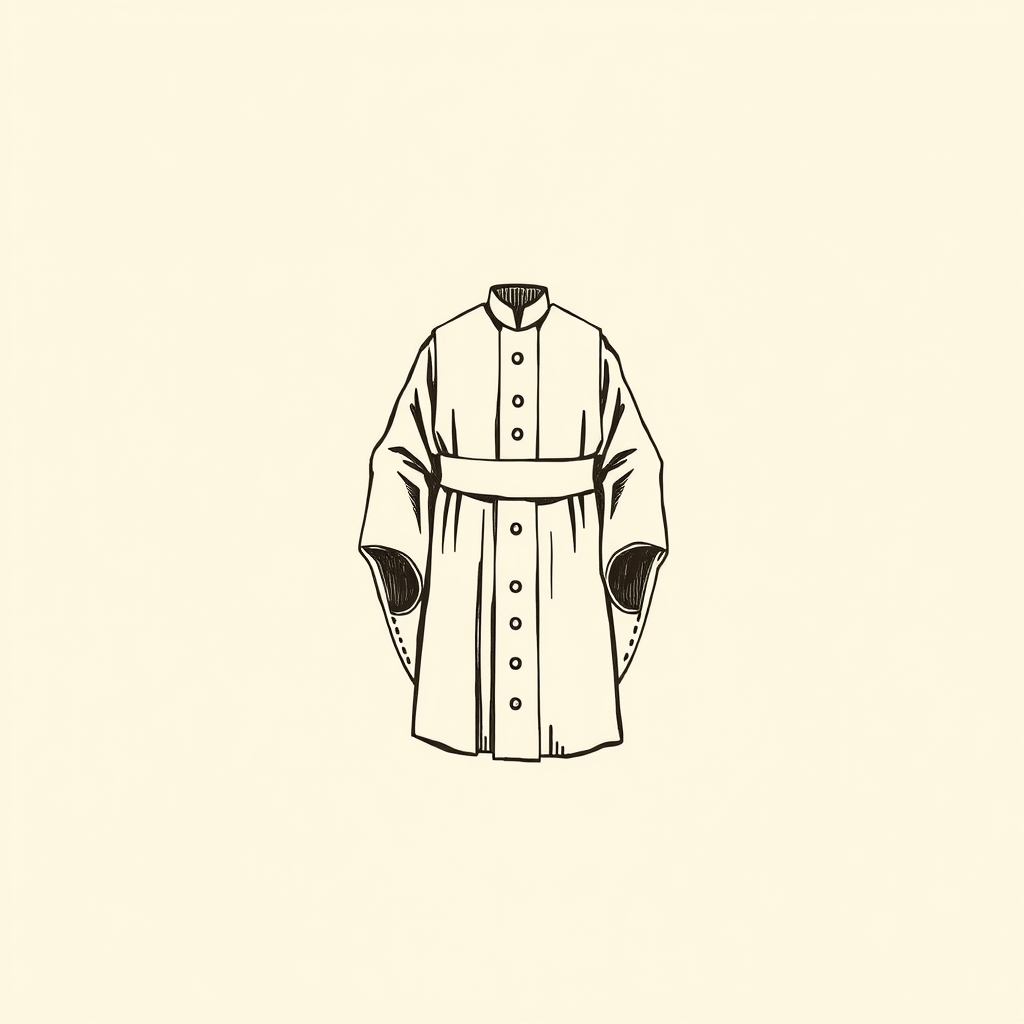
Saint Pio of Pietrelcina is among the most popular figures of contemporary Catholic holiness. San Giovanni Rotondo, where his remains rest, has become one of the main pilgrimage centers in Italy, welcoming several million visitors each year; a modern shrine was built there to accommodate the influx of the faithful. The Casa Sollievo della Sofferenza hospital that he founded remains a major healthcare institution, testifying to his desire to unite the service of God and the service of the sick. The prayer groups he inspired continue to bring together the faithful throughout the world. His devotion is maintained by countless associations and brotherhoods, and his image—that of a bearded Capuchin with gloved hands concealing the stigmata—is widely disseminated. Padre Pio is notably invoked as a protector of the sick and those who suffer, in continuation of the work of charity to which he dedicated his life.
Iconography
Signs and attributes
The supernatural in their life
The miracles of Pio of Pietrelcina
Frequently asked questions about Pio of Pietrelcina
Who was Pio of Pietrelcina?
Italian Capuchin (1887-1968), Padre Pio bore the stigmata for fifty years at San Giovanni Rotondo and was canonized in 2002 by John Paul II.
What is Pio of Pietrelcina invoked for?
Pio of Pietrelcina is invoked for: les malades, the sick, les personnes en souffrance and people who are suffering.
How is Pio of Pietrelcina depicted in Christian art?
In iconography, Pio of Pietrelcina is recognizable by: Capuchin habit, stigmata and gloved hands.
What miracles are attributed to Pio of Pietrelcina?
2 miracles are attributed to this saint, notably: Healing.
Which saints were contemporaries of Pio of Pietrelcina?
Contemporaries include: Pauline of the Agonizing Heart of Jesus, Felipe de Jesús Munárriz and 50 companions, Mariano de Jesús Euse Hoyos and Teresa of Jesus of the Andes.
When did Pio of Pietrelcina die?
Pio of Pietrelcina died around 1968.
What are the other names of Pio of Pietrelcina?
Other forms of the name: Pio da Pietrelcina, Padre Pio, Francesco Forgione, Pius of Pietrelcina and Pío de Pietrelcina.
Who are the relatives of Pio of Pietrelcina?
Relatives of Pio of Pietrelcina: Grazio Forgione (father) and Giuseppa De Nunzio (mother).
Annexes & related entities
Structured data for exploration: events, miracles, quotes, places, attributes, patronages, and important entities cited in the text.
Key Events
- Era / death: 1968
- Canonized in 2002 by John Paul II
Quotes
-
It seems that Jesus has no other interest than to sanctify your soul.
https://www.vatican.va/content/john-paul-ii/en/homilies/1999/documents/hf_jp-ii_hom_02051999_padre-pio.html -
It is under the Cross that one learns to love.
https://www.vatican.va/content/john-paul-ii/en/homilies/1999/documents/hf_jp-ii_hom_02051999_padre-pio.html