Group of eleven martyrs of Damascus, consisting of eight Franciscans led by the guardian Manuel Ruiz López and the three Maronite Massabki brothers, massacred on the night of July 9 to 10, 1860, and canonized by Pope Francis on October 20, 2024.
Contemporaries

Figures and markers around the normalized period for this entry.
Guided reading
5 reading sections
Biography
The martyrs of Damascus include eleven Catholics: eight Franciscans, led by the Spanish guardian Manuel Ruiz López, and three Maronite laymen of the Massabki family, put to death in hatred of the faith during the massacre of the Christians of Damascus in 1860.
The group gathers eleven martyrs killed in Damascus, Syria, then a province of the Ottoman Empire, on the night of July 9 to 10, 1860. The first eight were Friars Minor (Franciscans) of the Custody of the Holy Land, attached to the convent and parish of Saint Paul in the Bab Touma district. Their superior, the guardian Manuel Ruiz López, was born in 1804 in San Martín de las Ollas, in the province of Burgos (Spain); he entered the Franciscans in 1825 and was ordained a priest in 1830, leaving for the Holy Land in 1831. Versed in oriental languages and renowned for his charity, he was nicknamed "Father Patience" by the Arab population. Seven of the eight Franciscans were Spanish; the eighth, Engelbert Kolland, was Austrian, from the Salzburg region. The other three martyrs were Maronite laymen of Damascus, the Massabki brothers: Francis (François), a wealthy silk merchant and father known for his piety, and his brothers Abdel Mooti (Mooti) and Raphaël. All were gathered at the Saint Paul convent when anti-Christian violence struck the city.
Life and work
During the night of July 9 to 10, 1860, during the massacre of the Christians of Damascus, an armed mob invaded the Saint Paul convent and put to death the eight Franciscans and the three Massabki brothers, who refused to apostatize.
During the summer of 1860, the civil war between Druze and Maronites in Mount Lebanon degenerated in Damascus into a massacre of the Christians of the Bab Touma district: several thousand people were killed and the Christian quarter was set on fire. During the night of July 9 to 10, armed assailants entered the Franciscan Saint Paul convent, where the religious and some of the faithful had taken refuge. The guardian Manuel Ruiz López, seeing death approaching, ran to the tabernacle to consume the Holy Species in order to avoid their profanation, and was then killed near the altar. The other Franciscans and the three Massabki brothers were in turn massacred. According to the sources of the cause, the Massabki brothers were offered their lives if they would embrace Islam; Francis Massabki refused, declaring that one could take his money and his life, but not his faith. All died confessing their attachment to Christ. Their martyrdom, accomplished in hatred of the faith (in odium fidei), made them the "martyrs of Damascus."
Journey toward holiness
The holiness of the group rests on the testimony of martyrdom: religious and laypeople accepted death rather than renounce the Catholic faith, despite the offer to save their lives by converting to Islam.
The religious motive for their death is at the heart of the cause: the eleven were killed in hatred of the faith, in a context where apostasy would have saved their lives. The Franciscans fell in the exercise of their ministry and their consecrated life, their guardian dying after having sought to preserve the Eucharist from profanation. The Massabki brothers, simple Maronite laypeople united with the Latin parish, illustrate that the supreme testimony is not reserved for religious: a prosperous merchant and father of a family, Francis Massabki was renowned for his generosity and devotion, and he preferred to lose his goods and his life rather than his faith. The constancy of these men, refusing to abjure under threat, was held to be an exemplary testimony. Their reputation as martyrs took root early in the memory of the Church, both among the Franciscans of the Holy Land and in the Maronite community, which venerated them as intercessors well before the official recognition of their cause.
Beatification and canonization
Beatified by Pius XI on October 10, 1926, the eleven martyrs of Damascus were canonized by Pope Francis on October 20, 2024; their liturgical feast is set for July 10.
The group was beatified by Pope Pius XI on October 10, 1926, at St. Peter's Basilica, under the title of Manuel Ruiz López and companions, martyrs of Damascus. The cause subsequently led to canonization: Pope Francis presided over an ordinary consistory on July 1, 2024, which approved the inscription of the eleven martyrs in the catalogue of saints, in accordance with the procedure applicable to ancient martyrs, which dispenses with the requirement of a miracle. The canonization took place on October 20, 2024, in St. Peter's Square, during Mission Sunday (World Mission Day); during the same celebration, Pope Francis also inscribed other saints, among whom were Giuseppe Allamano, Marie-Léonie Paradis, and Elena Guerra. The liturgical feast of the martyrs of Damascus is celebrated on July 10, the anniversary date of their martyrdom.
Spirituality and heritage
The first saints recognized from the 1860 Damascus massacre, the martyrs are particularly honored by the Franciscan family and the Maronite Church, and their canonization was received as a sign of hope for the Christians of the East.
The martyrs of Damascus hold a unique place in the Christian memory of the Middle East: they unite in a single testimony Latin religious who came from Europe and indigenous Maronite laypeople, a sign of the communion between the Churches of the East and the West. Their cult is particularly vibrant within the Franciscan family and the Custody of the Holy Land, which preserves the memory of the Saint Paul convent in Damascus, as well as in the Maronite Church, which venerates the Massabki brothers as intercessors and models of lay fidelity. The 2024 canonization, which took place as Syria was emerging from years of war, was received by church leaders as a sign of hope and an encouragement for the tried Christian communities of the East. Through these eleven figures, the Church reminds us that faith can be attested to the point of bloodshed by consecrated persons just as by simple believers.
Iconography
Signs and attributes
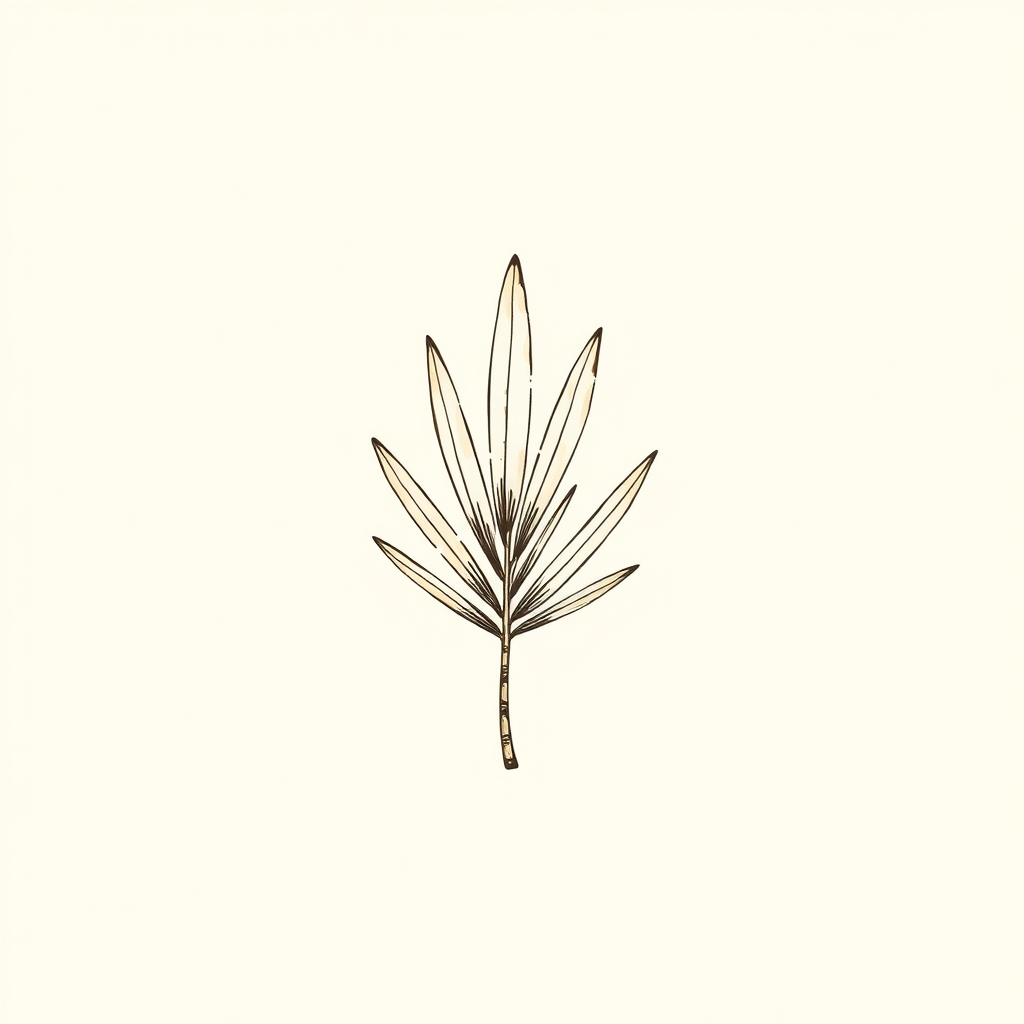
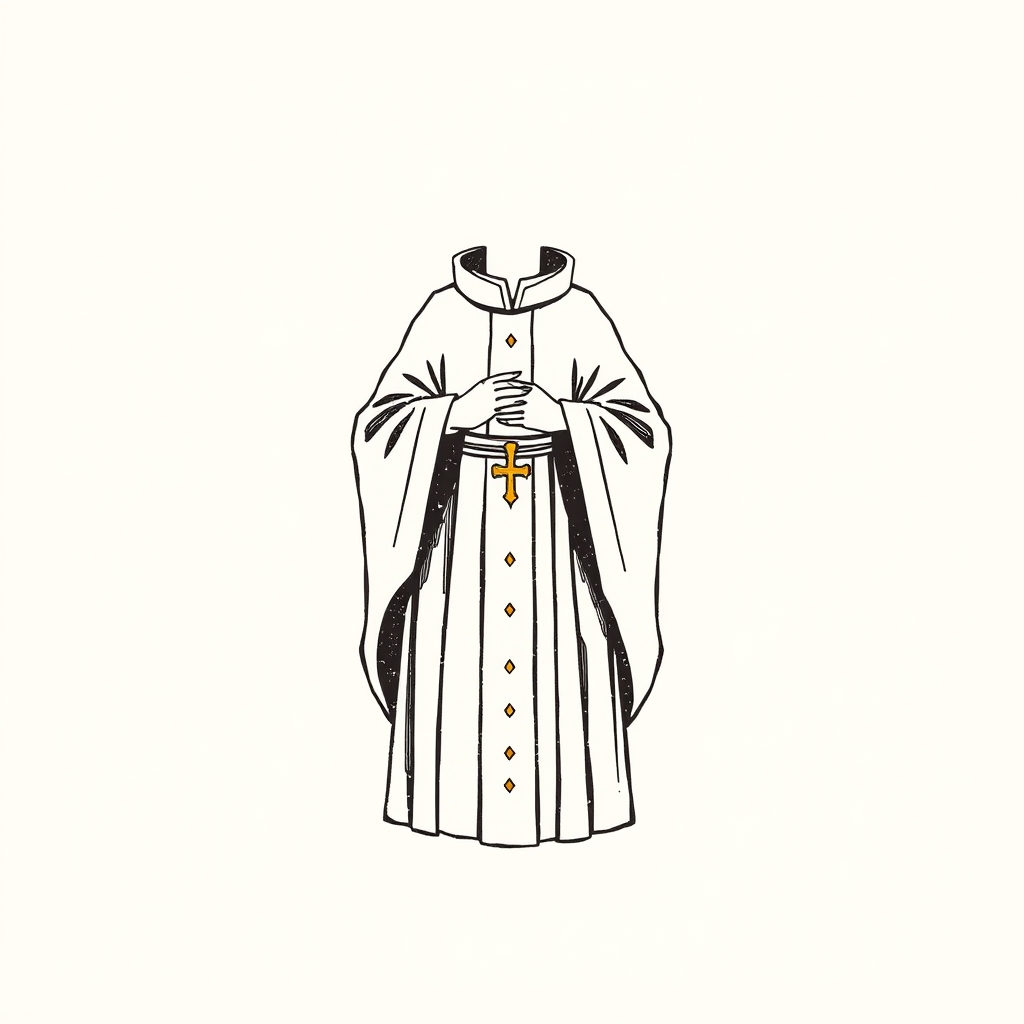
Frequently asked questions about Manuel Ruiz López and 10 companions (11)
Who was Manuel Ruiz López and 10 companions (11)?
Group of eleven martyrs of Damascus, consisting of eight Franciscans led by the guardian Manuel Ruiz López and the three Maronite Massabki brothers, massacred on the night of July 9 to 10, 1860, and canonized by Pope Francis on October 20, 2024.
How is Manuel Ruiz López and 10 companions (11) depicted in Christian art?
In iconography, Manuel Ruiz López and 10 companions (11) is recognizable by: palm of martyrdom and Franciscan habit.
How did Manuel Ruiz López and 10 companions (11) die?
Manuel Ruiz López and 10 companions (11) suffered martyrdom for the Christian faith (19th century).
Which saints were contemporaries of Manuel Ruiz López and 10 companions (11)?
Contemporaries include: Jesús María Echavarría Aguirre, Pauline of the Agonizing Heart of Jesus, Narcisa de Jesús and Juan de Jesús López y González.
What are the other names of Manuel Ruiz López and 10 companions (11)?
Other forms of the name: Martyrs of Damascus, Mártires de Damasco, Martiri di Damasco, Manuel Ruiz López e compañeros and Massabki Brothers.
Who are the relatives of Manuel Ruiz López and 10 companions (11)?
Relatives of Manuel Ruiz López and 10 companions (11): Francis Massabki (brother of Abdel Mooti and Raphaël Massabki), Abdel Mooti Massabki (brother of Francis and Raphael Massabki) and Raphaël Massabki (brother of Francis and Abdel Mooti Massabki).
Annexes & related entities
Structured data for exploration: events, miracles, quotes, places, attributes, patronages, and important entities cited in the text.
Key Events
- Era / death: 1860
- Canonized in 2024 by Francis
Quotes
-
I am a Christian and I will die a Christian.
https://www.custodia.org/en/news/the-martyrs-of-damascus-will-be-saints-on-20-october/