Saint John Macias
A Spanish Dominican friar who emigrated to Peru, John Macias spent his life as the porter of the Convent of Saint Mary Magdalene in Lima, dedicating himself entirely to the poor.
Contemporaries

Figures and markers around the normalized period for this entry.
Guided reading
5 reading sections
Biography
Youth in Spain, orphanage, work as a shepherd, and emigration to South America.
Juan de Arcas y Sánchez (known as Juan Macías or John Macias) was born on March 2, 1585, in Ribera del Fresno, in the province of Badajoz in Extremadura (Spain). His parents, Pedro de Arcas and Juana Sánchez, were modest farmers. Having become orphans when Juan was only four years old, he and his sister were taken in by their paternal uncle, whose surname, "Macías," they adopted. His uncle directed him toward the profession of a shepherd at a very young age. During his long hours of solitude in the pastures, the young boy developed an intense spiritual life, reciting the rosary several times a day. It was during this time that he began to experience mystical visions, notably of the Virgin Mary and his patron saint, John the Evangelist, who appeared to him in the guise of a child his own age to guide and console him. At the age of 25, he began working for a wealthy merchant. In 1619, at the age of 34, he decided to set sail for South America. His journey took him first to Colombia (Cartagena de Indias), then to Ecuador (Quito), before he settled permanently in Lima, Peru. In this rapidly expanding colonial capital, he worked initially as a shepherd or for a butcher, all the while continuing to lead a life of prayer and discreet charity.
Life and Work
Entry into the Dominican Order in Lima and daily service of charity as a porter.
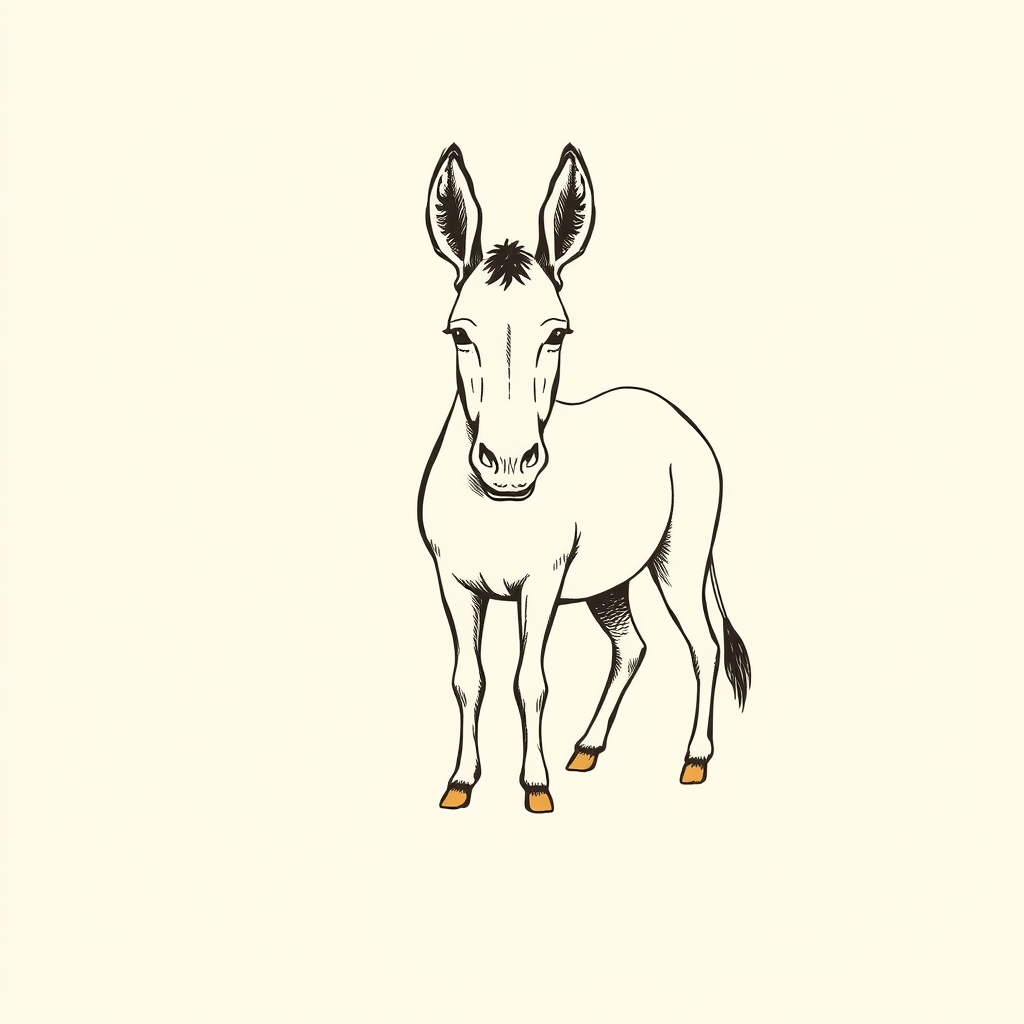
In 1622, Juan Macías decided to fully dedicate his life to God. He knocked at the door of the Dominican convent of Saint Mary Magdalene (Santa María Magdalena) in Lima, where he was admitted as a lay brother. He made his solemn vows there on January 25, 1623. For twenty-two years, until his death, he served as the convent's porter. This duty, humble in appearance, became the center of a monumental work of charity. Situated at the entrance of the monastery, Juan was in direct contact with the misery of the city. Inspired by his contemporary and close friend, Saint Martin de Porres (who lived at the convent of the Holy Rosary, a few streets away), he devoted himself body and soul to the most destitute. Each day, he managed to feed more than two hundred people, mainly the poor, orphans, widows, but also indigenous people and black slaves, whom he served on his knees with profound respect. To finance this work, he traveled the city on foot alongside a donkey loaded with saddlebags to beg for food, clothing, and money from the wealthy inhabitants of Lima, whom he also knew how to advise with wisdom. Over time, the animal knew the route so well that it even made the rounds of the donors all by itself.
Journey toward holiness
Life of prayer, rigorous penances, mystical gifts, and reputation as a wonder-worker.
The life of Juan Macías was marked by an intimate union with God amidst his daily activities. Although illiterate, he possessed an infused knowledge of the mysteries of the faith that impressed the theologians and priests of the convent, who regularly came to seek his spiritual counsel. Alongside his service to the poor, he imposed harsh penances upon himself: rigorous fasts, the wearing of a hairshirt, iron disciplines, and the wearing of an iron chain tightened around his waist. He spent a large part of his nights in prayer in the convent chapel, interceding particularly for the souls in Purgatory, for whom he recited the Rosary daily. His reputation as a wonder-worker grew during his lifetime thanks to several healings and miracles of the multiplication of food attributed to him. Sensing his end approaching, he predicted the day of his death with accuracy. He passed away peacefully on September 16, 1645, in Lima, surrounded by his Dominican brothers.
Beatification and canonization
Beatification in 1837, miracle of the multiplication of rice in 1949, and canonization in 1975.
The reputation for holiness of Juan Macías was such that an informative process for his beatification began shortly after his death. He was solemnly beatified on October 22, 1837, by Pope Gregory XVI. Although he was raised to the altars during the same process as his friend Martin de Porres, their beatification ceremonies took place one week apart: October 22, 1837, for John Macias and October 29, 1837, for Martin de Porres. The decisive miracle accepted for his canonization occurred more than three centuries after his death, on January 23, 1949, at the Saint Joseph House (Casa de Nazaret) in Olivenza, Spain. On that day, the cook of this charitable institution for poor children, Leandra Rebollo Vázquez, realized that she had only 750 grams of rice to feed more than a hundred people. Faced with this shortage, she fervently invoked Blessed Juan Macías. During cooking, the rice began to multiply inexplicably, overflowing from the pot. The cook had to transfer the rice into several other containers, which filled up in turn. This prodigy allowed all the children and poor people present to be fed abundantly, and the leftovers were kept as material evidence. After a rigorous technical and scientific investigation conducted by the Congregation for the Causes of Saints, this miracle was officially recognized. Juan Macías was canonized on September 28, 1975, by Pope Paul VI in Saint Peter's Basilica in Rome.
Spirituality and legacy
Dominican spirituality of contemplation and action, veneration in Peru and Spain, and patronages.
The spirituality of Saint Juan Macías perfectly embodies the motto of the Order of Preachers: "Contemplari et contemplata aliis tradere" (To contemplate and to transmit to others the fruits of one's contemplation). His life demonstrates that the highest mystical contemplation can flourish in the fulfillment of the most ordinary tasks, such as welcoming visitors at the gate of a convent. Today, Saint Juan Macías is particularly venerated in Peru and Spain. His relics rest alongside those of Saint Rose of Lima and Saint Martin de Porres in the Basilica of the Most Holy Rosary (Convent of Saint Dominic) in Lima. He is considered a patron saint of the poor, the oppressed, and doorkeepers, but also of migrants, having himself experienced exile and uprooting when leaving his native Spain to settle in the New World.
Iconography
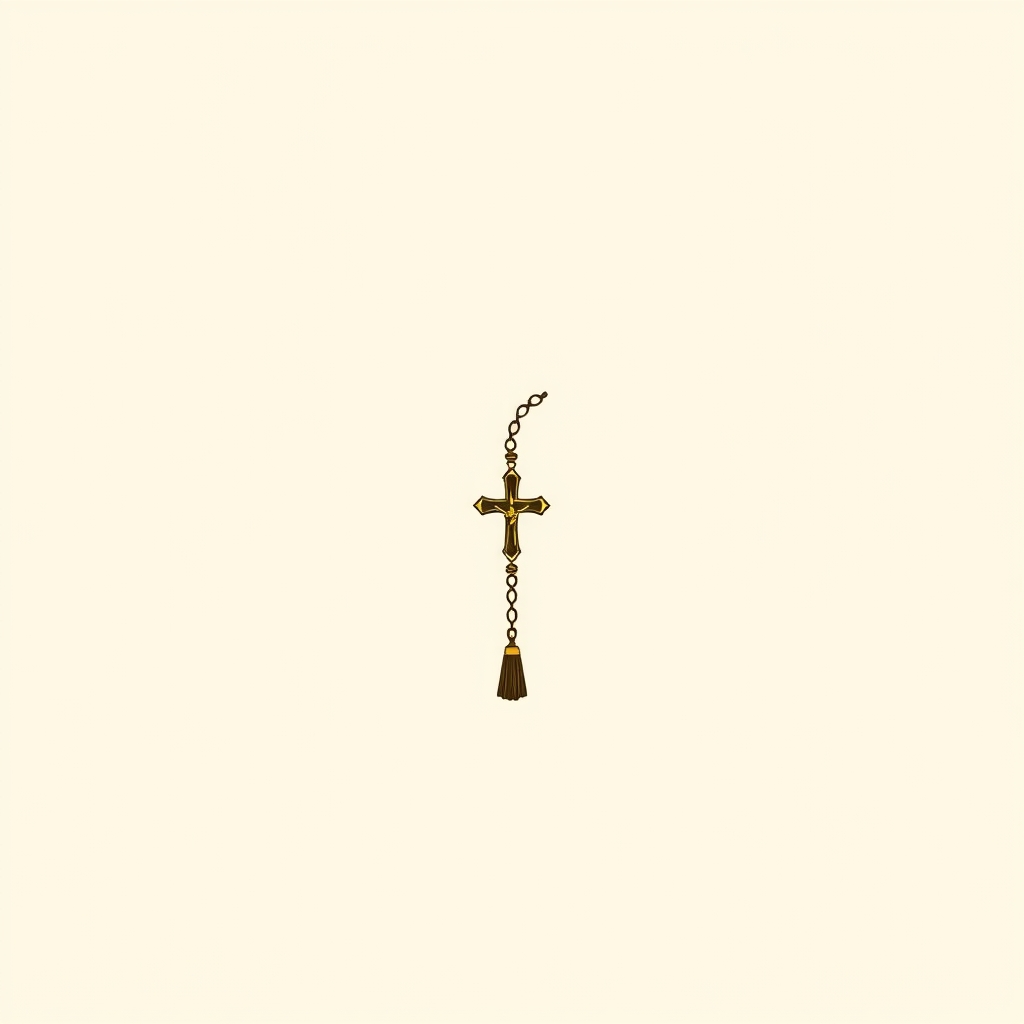
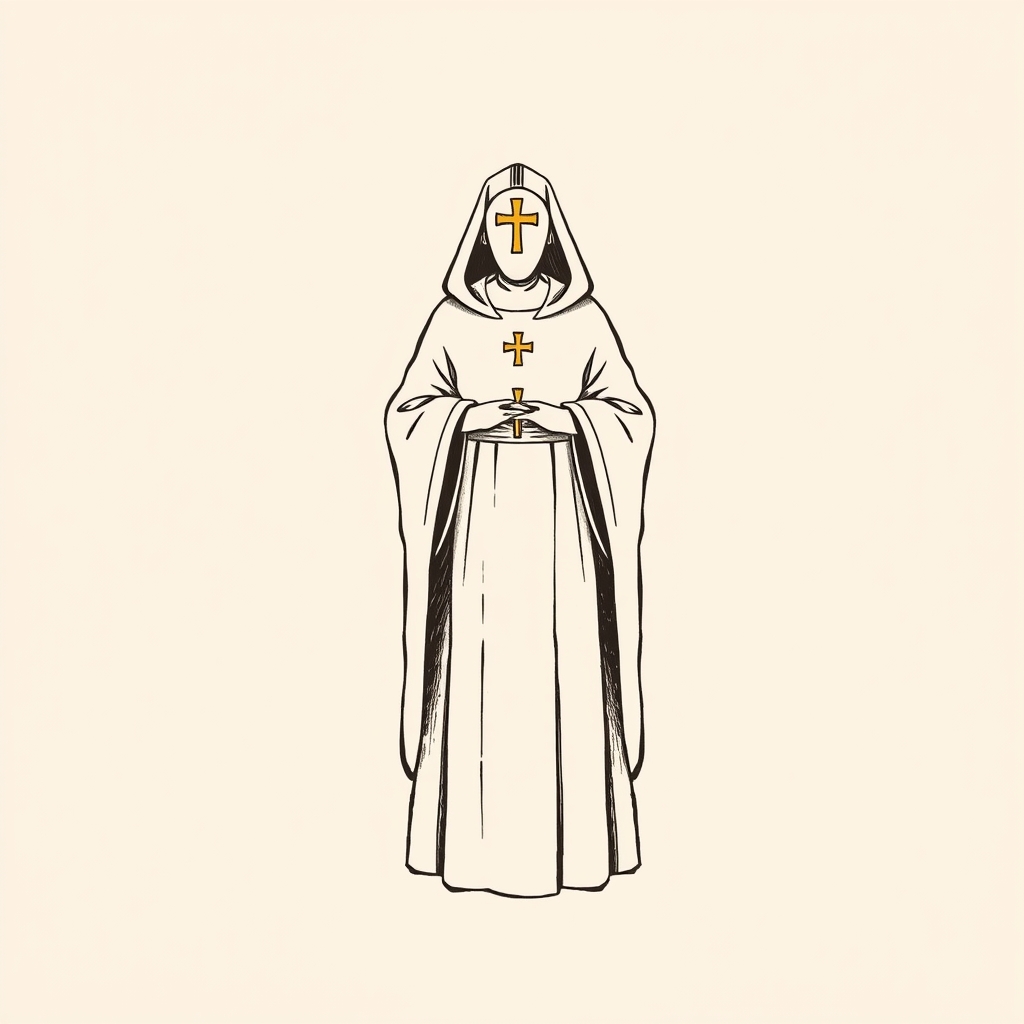
Signs and attributes
The supernatural in their life
The miracles of Saint John Macias
Frequently asked questions about Saint John Macias
Who was Saint John Macias?
A Spanish Dominican friar who emigrated to Peru, John Macias spent his life as the porter of the Convent of Saint Mary Magdalene in Lima, dedicating himself entirely to the poor.
What is Saint John Macias the patron saint of?
Patronage of Saint John Macias: Pauvres, The poor, Opprimés, The oppressed, Portiers, Porters, Migrants and Migrants.
What is Saint John Macias invoked for?
Saint John Macias is invoked for: Obtenir de la nourriture en période de pénurie, Obtaining food during times of scarcity, Soutien spirituel et matériel des démunis and Spiritual and material support for the destitute.
How is Saint John Macias depicted in Christian art?
In iconography, Saint John Macias is recognizable by: Basket of food, Rosary, Dominican habit and Donkey.
What miracles are attributed to Saint John Macias?
2 miracles are attributed to this saint, notably: Multiplication / provision and Healing.
Which saints were contemporaries of Saint John Macias?
Contemporaries include: María de Jesús López Rivas, Mariana de Jesús de Paredes, Blessed Mariana de Jesús (de Paredes y Flores) and Saint Francis de Sales (Bishop and Prince of Geneva).
When did Saint John Macias die?
Saint John Macias died around 1645.
What are the other names of Saint John Macias?
Other forms of the name: Juan Macías, Jean Macias and Juan de Arcas y Sánchez.
Who are the relatives of Saint John Macias?
Relatives of Saint John Macias: Pedro de Arcas (Father) and Juana Sánchez (Mother).
Annexes & related entities
Structured data for exploration: events, miracles, quotes, places, attributes, patronages, and important entities cited in the text.
Key Events
- Era / death: 1585-1645
- Canonized in 1975 by Paul VI
Quotes
-
Contemplari et contemplata aliis tradere
https://vertexaisearch.cloud.google.com/grounding-api-redirect/AUZIYQHrNbuskCLEoRMixlSkG0hWyrkYa-wAbVha2jlBOg8XuIR4UbKDt3VG6G5_TFCM3yQ2_0ZaCYLTGMDtJ-IXdUEDpr0CACR2kbr0o98Qf97FT-ly8iWu-3V0R2wRQ_cD