Marguerite Bays
A Swiss mystic seamstress and Franciscan tertiary, Marguerite Bays (1815-1879) sanctified her daily life in service to the poor and bore the stigmata of Christ.
Contemporaries

Figures and markers around the normalized period for this entry.
Guided reading
5 reading sections
Biography
Birth and youth of Marguerite Bays in Chavannes-les-Forts, her apprenticeship as a seamstress, and her choice of lay life.
Marguerite Bays was born on September 8, 1815, in La Pierraz, a hamlet in the locality of Chavannes-les-Forts (now part of the municipality of Siviriez), in the canton of Fribourg, Switzerland. She was the second of seven children born to Pierre-Antoine Bays and Marie-Joséphine Morel, a family of modest, deeply Christian farmers. From childhood, Marguerite displayed a keen intelligence and an early attraction to silent prayer and contemplation, willingly distancing herself from the games of her peers to commune with God. She attended the school in Chavannes-les-Forts for about four years, where she learned to read and write. She received the sacrament of confirmation in 1823 and made her first communion in 1826. Starting in 1830, she began an apprenticeship to become a seamstress. She would practice this trade throughout her life, traveling from house to house or working from home, while actively participating in the work of the family farm and household chores. Although her spiritual advisors encouraged her to enter a convent, Marguerite chose to remain a laywoman and single, convinced that her vocation was to dedicate herself entirely to God while remaining at the heart of the world, her family, and her parish.
Life and Work
Marguerite Bays' dedication within her difficult family, her parochial commitment, and her ties to the Œuvre de Saint-Paul and the Fille-Dieu Abbey.
Marguerite Bays' daily life unfolded within an often trying family setting. She lived in the house at La Pierraz, which her older brother Claude took over managing. The family went through numerous difficulties: her brother Joseph, violent and dissipated, served time in prison; her sister Marie-Marguerite (known as Mariette) returned to live at home after the failure of her marriage; and Claude had a child out of wedlock, François, whose upbringing Marguerite took charge of from the age of 17. Furthermore, her sister-in-law Josette (Claude's wife) was particularly hostile toward her, inflicting numerous humiliations upon her that Marguerite endured with heroic patience and charity. Despite these tensions, Marguerite devoted herself unsparingly to her parish of Siviriez and the inhabitants of her region. She visited the sick and the dying, sewed clothes for poor children, and supported families in difficulty. She taught catechism to children in a lively and joyful manner, notably by setting up a nativity scene at Christmas and organizing prayers for the month of Mary. She was actively involved in parish movements, being part of the Confraternity of the Rosary and the Confraternity of the Blessed Sacrament. On an ecclesial level, she supported the Society for the Propagation of the Faith and collaborated with Canon Joseph Schorderet for the founding of the Œuvre de Saint-Paul (dedicated to apostolate through the press). She also maintained close spiritual ties with the Cistercian abbey of La Fille-Dieu in Romont, of which her goddaughter, Mother Lutgarde Menétrey, would become the reforming abbess. Thanks to special authorization from Bishop Mgr Étienne Marilley, Marguerite was permitted to enter the enclosure to participate in the nuns' annual retreats.
Journey toward holiness
Her miraculous healing from cancer in 1854, the appearance of her stigmata, and her commitment to the Franciscan Third Order.
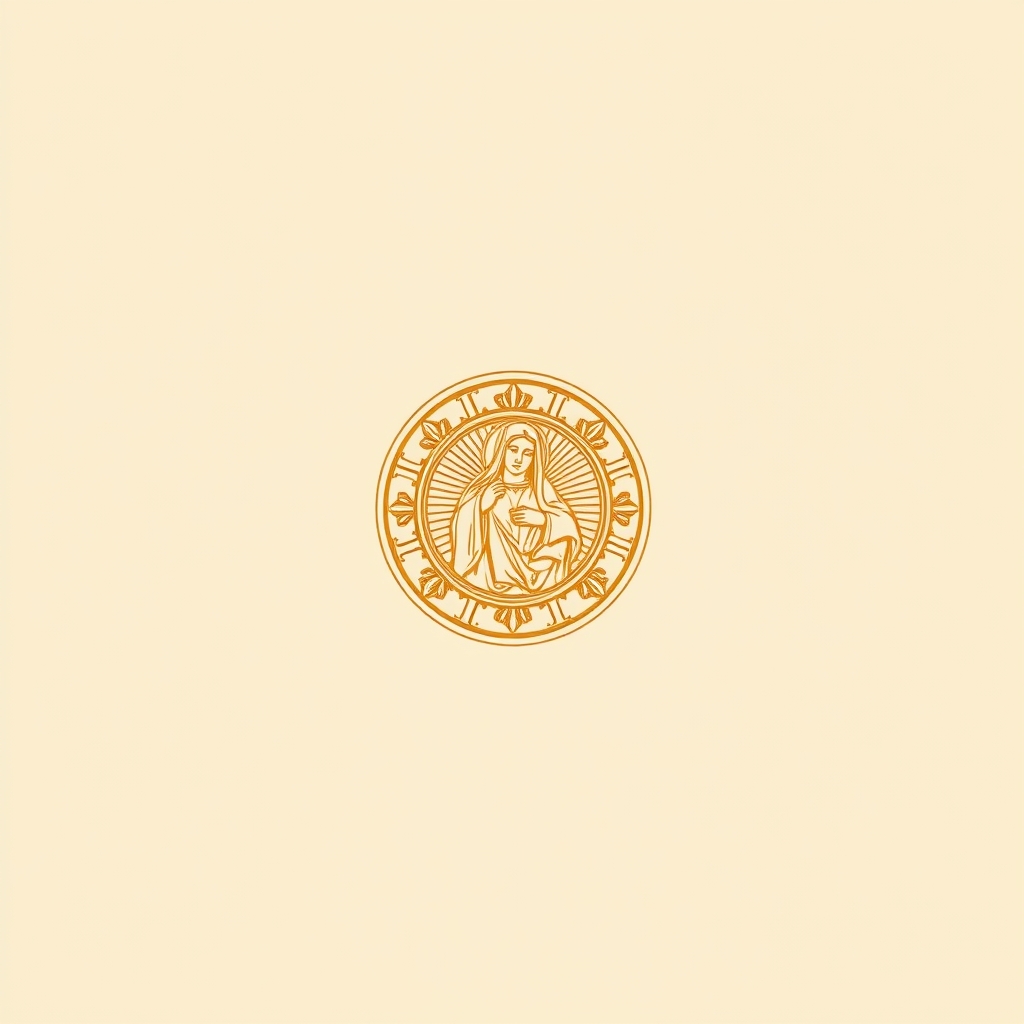
In 1853, Marguerite Bays was struck by illness: she felt violent pains and nausea, and medical examinations revealed an abdominal cancer (of the intestines) deemed incurable. Her condition worsened rapidly. On December 8, 1854, the day of the solemn proclamation of the dogma of the Immaculate Conception by Pope Pius IX in Rome, Marguerite, bedridden and suffering, prayed ardently to the Virgin Mary and asked that a medal of the Immaculate Conception be applied to her body. She was instantly and totally healed of her tumor, immediately regaining her strength. Following this miraculous healing, Marguerite expressed the desire to be associated even more intimately with the Passion of Christ. It was then that her illness was transformed into a mystical participation in the sufferings of the Savior. From 1860, she received the stigmata of Christ (the wounds on her hands, feet, and chest). Every Friday, and even more intensely during Holy Week, she entered into ecstasy and relived in her flesh the sufferings of Jesus in Gethsemane and on Calvary. Out of humility, she strove to hide these mystical marks from those around her. On April 11, 1873, an official investigation conducted by a doctor and the prefect confirmed the authenticity of her stigmata, concluding that they were scientifically inexplicable by natural causes. Desirous of structuring her spiritual life according to the ideal of poverty and humility, Marguerite associated herself with the Franciscan Third Order (today the Secular Franciscan Order). On February 22, 1861, she made her definitive promises in the Capuchin church of Romont, committing herself to living the Rule of the Franciscan lay tertiaries on a daily basis.
Beatification and canonization
The death of Marguerite Bays in 1879, her beatification by John Paul II in 1995, the miracle of the healing of Virginie Baudois, and her canonization by Pope Francis in 2019.
Consumed by illness and mystical sufferings, Marguerite Bays passed away on Friday, June 27, 1879, at 3:00 p.m., the day of the Friday of the octave of the Sacred Heart, in her home in La Pierraz, surrounded by popular veneration. The process for her beatification opened in the diocese of Lausanne, Geneva, and Fribourg. Marguerite Bays was beatified on October 29, 1995, by Pope John Paul II in Rome. During the ceremony, the Sovereign Pontiff described her as a "very simple woman, with an ordinary life, in whom each of us can find ourselves." Her canonization was made possible after the recognition of a second miracle that occurred in 1998. A two-year-old girl, Virginie Baudois, accidentally fell under the wheel of a farm tractor driven by her grandfather. Crushed by the machine, the little girl was inanimate. Her grandfather immediately invoked Blessed Marguerite Bays. A few moments later, the child began to cry. Transported to the hospital, medical examinations revealed that she suffered from no fractures or internal lesions, presenting only a few superficial bruises, a fact deemed totally inexplicable by the doctors. On October 13, 2019, Pope Francis celebrated the solemn canonization of Marguerite Bays in Saint Peter's Square in Rome, in the presence of Virginie Baudois and a large Swiss delegation.
Spirituality and Legacy
The everyday spirituality of Marguerite Bays, her Marian and Eucharistic devotion, and the ongoing veneration in Siviriez.
The spirituality of Saint Marguerite Bays is based on the "holiness of the everyday." Without performing any spectacular actions in the eyes of the world, she sanctified the humblest tasks of lay life: sewing work, household chores, and the selfless service of the poor and the sick. Pope Francis emphasized during her canonization that she shows "how powerful simple prayer is, as well as patient endurance and silent self-giving." Her spiritual life was deeply nourished by the Eucharist, which she considered the summit of her day, and by a filial devotion to the Virgin Mary. She made more than eleven pilgrimages on foot to the Marian shrine of Our Lady of the Hermits in Einsiedeln. Today, the birthplace of Marguerite Bays in La Pierraz is preserved in its original state and remains an important place of pilgrimage. Her body rests in the parish church of Siviriez. Every 27th of the month, the anniversary of her death, masses and times of prayer gather many faithful who come to entrust their intentions to the saintly seamstress of the Glâne.
Iconography
Signs and attributes
The supernatural in their life
The miracles of Marguerite Bays
Frequently asked questions about Marguerite Bays
Who was Marguerite Bays?
A Swiss mystic seamstress and Franciscan tertiary, Marguerite Bays (1815-1879) sanctified her daily life in service to the poor and bore the stigmata of Christ.
What is Marguerite Bays the patron saint of?
Patronage of Marguerite Bays: Couturières, Seamstresses, Laïcs and Laity.
What is Marguerite Bays invoked for?
Marguerite Bays is invoked for: Guérison des maladies, Healing of illnesses, Difficultés familiales and Family difficulties.
How is Marguerite Bays depicted in Christian art?
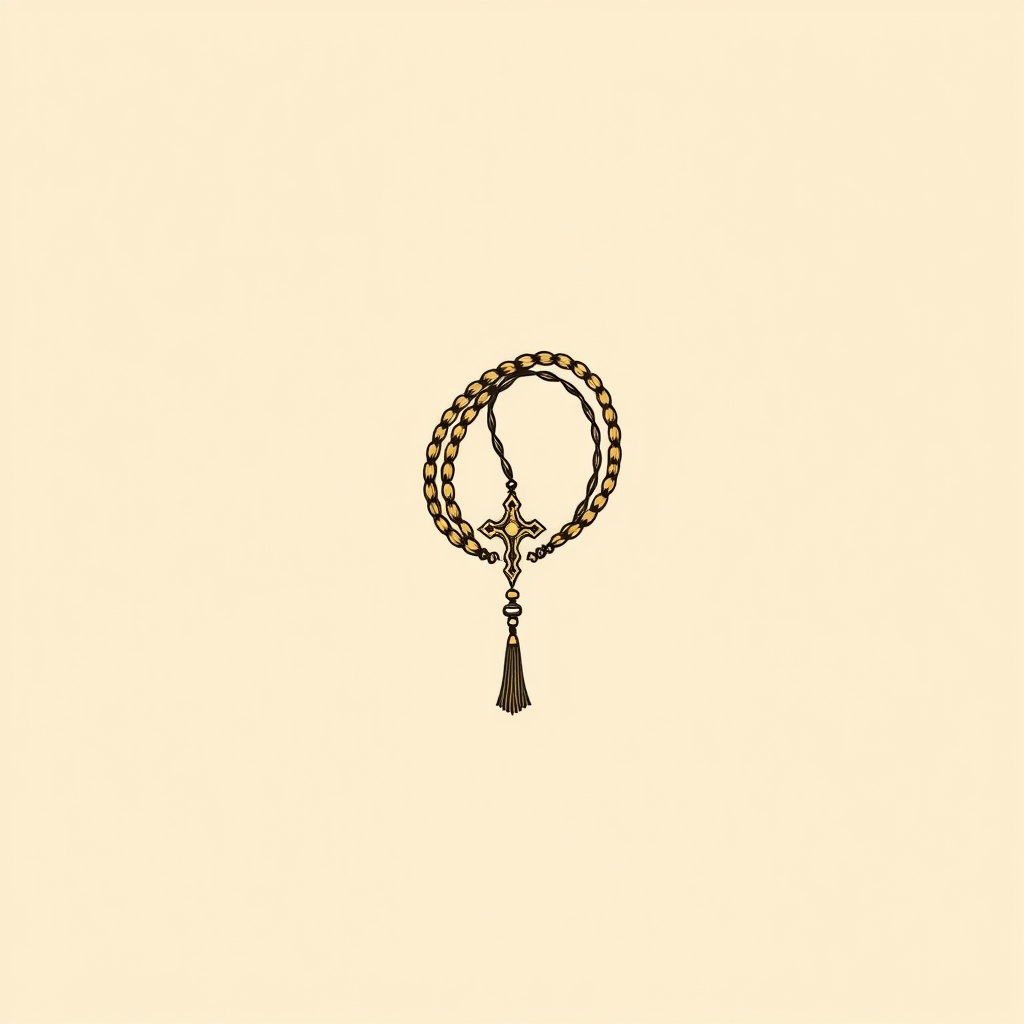
In iconography, Marguerite Bays is recognizable by: Stigmata, Needle and sewing thread, Miraculous Medal and Rosary.
What miracles are attributed to Marguerite Bays?
2 miracles are attributed to this saint, notably: Healing.
Which saints were contemporaries of Marguerite Bays?
Contemporaries include: Jesús María Echavarría Aguirre, Pauline of the Agonizing Heart of Jesus, Narcisa de Jesús and Juan de Jesús López y González.
When did Marguerite Bays die?
Marguerite Bays died around 1879.
What are the other names of Marguerite Bays?
Other forms of the name: Margherita Bays.
Who are the relatives of Marguerite Bays?
Relatives of Marguerite Bays: Pierre-Antoine Bays (father), Marie-Joséphine Morel (mother), Claude Bays (brother), Marie-Marguerite Bays (Mariette) (sister), Joseph Bays (brother), François Bays (nephew) and Josette Bays (sister-in-law).
Annexes & related entities
Structured data for exploration: events, miracles, quotes, places, attributes, patronages, and important entities cited in the text.
Key Events
- Era / death: 1879
- Canonized in 2019 by Francis
Quotes
-
a very simple woman, with an ordinary life, in whom each of us can see ourselves
https://vertexaisearch.cloud.google.com/grounding-api-redirect/AUZIYQGSCGcg8p1Aprsi-izfTQ26mSgRTcbQ5I-Tl0zeMl3r9VN3X3VcYluqg7d_CRwfFLfC0ICDHXm8b1DSUbuKLie9efRZHyxU3BEPm54U_U_mZeMaKdK4k4-xxjmiHkSQSfRF7qM= -
how powerful simple prayer is, as well as patient endurance, the silent gift of self
https://vertexaisearch.cloud.google.com/grounding-api-redirect/AUZIYQER25yiKGqj-cPw9yTV-fa8VU8cWfserEx2QCX972w2Asq7UeOEGIw8t43FJ8wfnLJD_gaWxqqinJSGNl_0XV0-X5rtBWGIu6CzMeA9diNmKSzLEkJkYvBhEbjbpzfoEtM=