Pedro Ruiz de los Paños and 8 companions
Pedro Ruiz de los Paños and his eight companions were Spanish priests of the Fraternity of Diocesan Worker Priests, martyred in 1936 during the Spanish Civil War.
Contemporaries

Figures and markers around the normalized period for this entry.
Guided reading
5 reading sections
Biography
The life and martyrdom of Pedro Ruiz de los Paños and his eight priest companions in 1936.
Blessed Pedro Ruiz de los Paños y Ángel and his eight companions form a group of nine Spanish priests, members of the Fraternity of Diocesan Worker Priests of the Heart of Jesus. They were martyred in various places in Spain between July and October 1936, at the beginning of the Spanish Civil War, because of their fidelity to their priesthood and their commitment to the seminaries. Pedro Ruiz de los Paños y Ángel was born on September 18, 1881, in Mora (Toledo). Entering the seminary of Toledo at age 13, he joined the Fraternity of Diocesan Worker Priests, founded by Blessed Manuel Domingo y Sol, in 1904. Ordained a priest on April 9, 1905, he served in several seminaries (Málaga, Badajoz, Seville, Plasencia). In 1927, he became rector of the Spanish College in Rome, then Director General of his Fraternity in 1933. Arrested on July 23, 1936, in Toledo by Republican militiamen, he was shot the same day at the Paseo del Tránsito. His eight companions in martyrdom are: José Sala Picó (born June 24, 1888, in Ponts, rector of the minor seminary of Toledo, shot July 23, 1936, in Toledo), Guillermo Plaza Hernández (born June 25, 1908, in Yuncos, prefect of discipline, shot August 9, 1936, near Argés), Antonio Perulles Estivill (born May 5, 1892, in Cornudella de Montsant, rector of the seminary of Orihuela, martyred August 12, 1936, in Marçà), José María Peris Polo (born November 1, 1889, in Cinctorres, rector of the seminary of Barcelona, shot August 15, 1936, in Almazora), Martín Martínez Pascual (born November 11, 1910, in Valdealgorfa, prefect of discipline in Murcia, shot August 18, 1936, in Valdealgorfa), José Pascual Carda Saporta (born October 29, 1893, in Villareal, rector of the seminary of Ciudad Real, shot September 4, 1936, near Oropesa), Isidoro Bover Oliver (born May 2, 1890, in Vinaroz, director of the magazine El Correo Josefino, shot October 2, 1936, in Castellón de la Plana), and Recaredo Centelles Abad (born May 23, 1904, in La Vall d'Uixó, rector of the minor seminary of Tortosa, shot October 25, 1936, in Nules).
Life and Work
The commitment of these priests to the formation of seminarians and the founding of the Disciples of Jesus.
The work of Pedro Ruiz de los Paños and his companions is part of the charism of the Fraternity of Diocesan Worker Priests, dedicated to the awakening and formation of priestly vocations. As formators and rectors, they deeply influenced the pedagogy of Spanish seminaries at the beginning of the 20th century. Pedro Ruiz de los Paños published several reference works, including "El libro del seminarista," "El estado sacerdotal," and "La bondad educadora." He also established in Spain, starting in 1919 in Plasencia, the "Seminary Day" (Día del Seminario) to raise awareness among the faithful regarding vocations. His great project was the foundation of a female religious institute dedicated to prayer and the apostolate for priestly vocations: the Discípulas de Jesús (Disciples of Jesus). Although his martyrdom in July 1936 prevented him from seeing the work come to fruition during his lifetime, his constitutions, drafted as early as 1931, allowed his surviving confreres to officially give birth to the congregation on January 31, 1940, with the first religious sisters pronouncing their vows on December 21, 1942, in Valladolid.
Path to holiness
The beatification process and the heroic testimonies of their martyrdom.
The cause for the beatification of Pedro Ruiz de los Paños and his companions was introduced in 1958. The diocesan inquiry gathered numerous testimonies regarding the holiness of their lives and the heroic circumstances of their deaths. On July 6, 1993, Pope John Paul II signed the decree officially recognizing their martyrdom in odium fidei (in hatred of the faith). The testimonies highlight the peace and serenity of these priests in the face of death. None of them sought martyrdom, but all accepted it with profound Christian resignation and total forgiveness toward their executioners. For example, the young Guillermo Plaza Hernández (28 years old) asked to kiss the hand of his executioner as a sign of forgiveness. Similarly, Martín Martínez Pascual (25 years old) voluntarily surrendered to the militiamen to spare his father, who was being held hostage, and blessed his executioners before being shot while shouting 'Viva Cristo Rey!'
Beatification and canonization
The solemn beatification by John Paul II in 1995 and their liturgical memorial.
Pedro Ruiz de los Paños and his 8 companions were solemnly beatified by Pope John Paul II on October 1, 1995, in Saint Peter's Square in Rome, as part of a group of 45 martyrs of the Spanish Civil War. Their common liturgical feast is set for October 25 by the Fraternity of Diocesan Worker Priests, the day on which all 30 martyrs of this congregation are commemorated. In the Roman Martyrology, Pedro Ruiz de los Paños and José Sala Picó are inscribed under the date of July 23, the anniversary of their birth into heaven.
Spirituality and legacy
A spirituality centered on the priesthood and the Eucharist, and a living legacy throughout the world.
The spirituality of this group of martyrs is centered on the love of the priesthood, Eucharistic adoration, and reparation to the Sacred Heart of Jesus, in accordance with the charism of their Fraternity. They conceived the priest as a mediator totally configured to Christ, ready to offer his life for the salvation of souls and the sanctification of the clergy. Their legacy is alive today through the Fraternity of Diocesan Worker Priests, which continues its work of formation in numerous seminaries throughout the world. Furthermore, the congregation of the Discípulas de Jesús, born from the sacrifice of Pedro Ruiz de los Paños, continues to propagate his ideal of prayer and action for vocations in Spain, Mexico, and Venezuela. The mortal remains of Blessed Pedro Ruiz de los Paños are venerated in the chapel of the general house of the Discípulas de Jesús in Valladolid.
Iconography
Signs and attributes
Frequently asked questions about Pedro Ruiz de los Paños and 8 companions
Who was Pedro Ruiz de los Paños and 8 companions?
Pedro Ruiz de los Paños and his eight companions were Spanish priests of the Fraternity of Diocesan Worker Priests, martyred in 1936 during the Spanish Civil War.
How is Pedro Ruiz de los Paños and 8 companions depicted in Christian art?
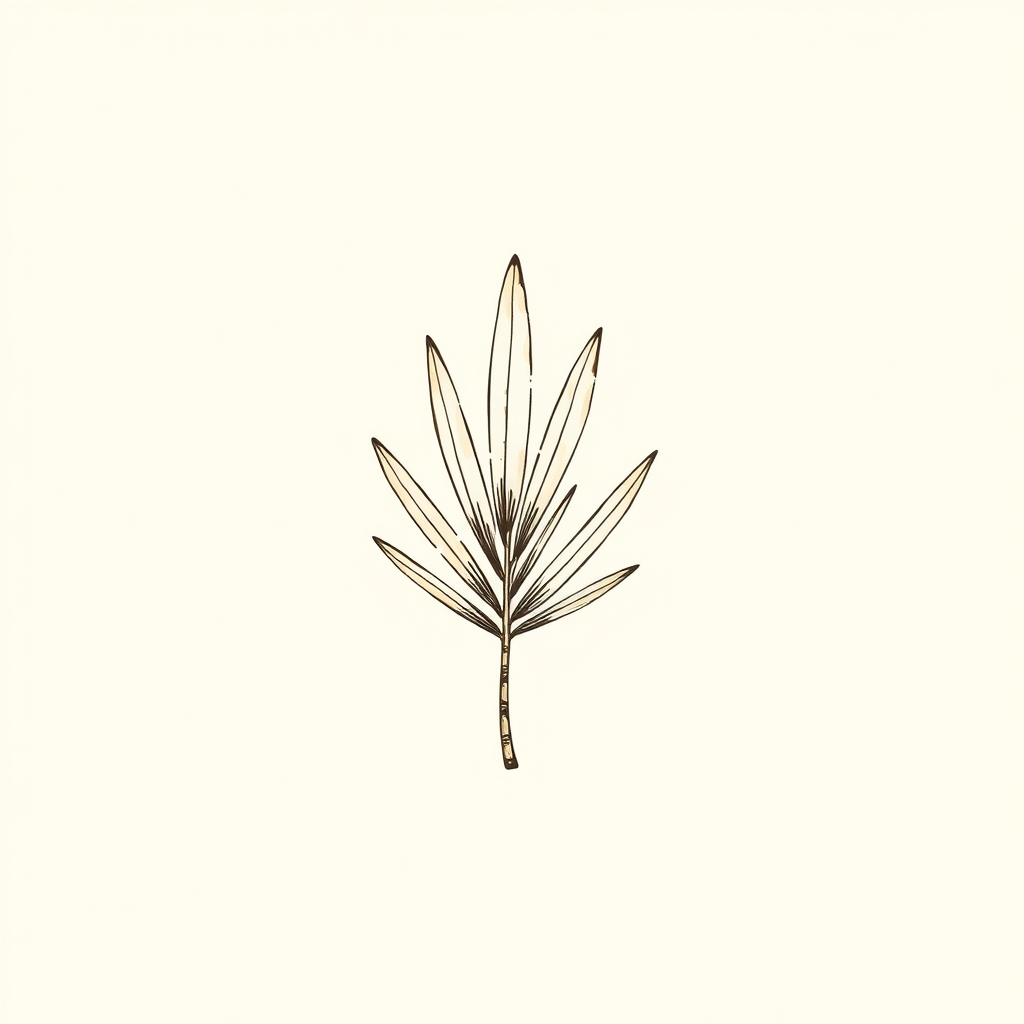
In iconography, Pedro Ruiz de los Paños and 8 companions is recognizable by: Palm of martyrdom.
How did Pedro Ruiz de los Paños and 8 companions die?
Pedro Ruiz de los Paños and 8 companions suffered martyrdom for the Christian faith (20th century).
Which saints were contemporaries of Pedro Ruiz de los Paños and 8 companions?
Contemporaries include: Pauline of the Agonizing Heart of Jesus, Felipe de Jesús Munárriz and 50 companions, Mariano de Jesús Euse Hoyos and Teresa of Jesus of the Andes.
What are the other names of Pedro Ruiz de los Paños and 8 companions?
Other forms of the name: Pedro Ruiz de los Paños y Ángel.
Annexes & related entities
Structured data for exploration: events, miracles, quotes, places, attributes, patronages, and important entities cited in the text.
Key Events
- Era / death: 1936
- Beatification in 1995 by John Paul II
Quotes
-
Devoted, from a profound priestly spirituality, to the promotion of vocations as continuators of the apostolic zeal of Blessed Manuel Domingo y Sol, their lives, crowned by the palm of martyrdom, remind us of the urgency of this apostolate.
https://vertexaisearch.cloud.google.com/grounding-api-redirect/AUZIYQFoZYqJcIPZn3Y4vvrThxbiIHXCdv4y78HCZWgZ1VCTYnQzkb2jJjpavWcEOyVLWSf1NOo699jZ1YwUJ0rdfuTs61xdVsHSDogBFzYIKngg4-0qQgEudHVvtOj1MZoRgbwlfTkc_W8KrQwqFFlUSe99mNgMUzVgrrnoIv0XZA==