Josep Tàpies and 6 companions
Group of seven diocesan priests from the Diocese of Urgell martyred on August 13, 1936, in Salàs de Pallars at the beginning of the Spanish Civil War.
Contemporaries

Figures and markers around the normalized period for this entry.
Guided reading
5 reading sections
Biography
Presentation of Blessed Josep Tàpies and his six companions, diocesan priests of Urgell martyred in 1936.
Blessed Josep Tàpies i Sirvant and his six companions are a group of seven diocesan priests from the Diocese of Urgell, in Catalonia (Spain), martyred together on August 13, 1936, at the beginning of the Spanish Civil War. Victims of the violent religious persecution that fell upon the Catholic Church in Spain at that time, they were put to death solely because of their fidelity to their priesthood.
This group of martyrs consists of the following priests: 1. Josep Tàpies i Sirvant: born on March 15, 1869, in Ponts (Lleida). He was a priest and organist-beneficiary of the parish of La Pobla de Segur. 2. Pasqual Araguàs i Guàrdia: born on May 17, 1899, in Pont de Claverol (Lleida). He was the parish priest of Noals, in the province of Huesca. 3. Silvestre Arnau i Pasqüet: born on May 30, 1911, in Gòsol (Barcelona). Vicar of La Pobla de Segur, he was the youngest of the group (25 years old). 4. Josep Boher i Foix: born on November 2, 1887, in Sant Salvador de Toló (Lleida). He was the parish priest of La Pobleta de Bellveí. 5. Francesc Castells i Brenuy: born on July 31, 1876, in La Pobla de Segur (Lleida). He was the parish priest of Tiurana and administrator of El Poal. 6. Pere Martret i Moles: born on July 5, 1901, in La Seu d'Urgell (Lleida). He was the administrator (economist) of La Pobla de Segur. 7. Josep-Joan Perot i Juanmartí: born on July 1, 1877, in Boulogne-sur-Gesse (Haute-Garonne, France). He was the parish priest of Sant Joan de Vinyafrescal.
Life and work
The simple and devoted pastoral ministry of the seven priests in the mountain parishes of the Diocese of Urgell.
These seven priests led a simple and devoted pastoral life in the mountain parishes of the Diocese of Urgell.
The central figure of the group, Josep Tàpies i Sirvant, was ordained a priest on June 11, 1892, by Bishop Salvador Casañas i Pagés. He exercised the bulk of his ministry in La Pobla de Segur, first as a vicar, then as an organist starting in 1905. A talented musician and composer, he deeply influenced local liturgical life by composing religious works that are still sung today, notably a Stabat Mater and the Goigs de la Mare de Déu de Ribera (the Joys of the Virgin of Ribera). A man of great charity, he was respected by all, including those distant from the Church, who often called upon him as death approached.
When political and religious tensions intensified in the summer of 1936, Josep Tàpies refused to flee. Although he had the opportunity to take refuge in Barcelona with the family of his friend Salvador Maluquer thanks to a safe-conduct pass, he chose to remain with his parishioners. He wrote to his nephew: "I will not take one step more nor one step less to escape my persecutors; they will always find me at home. [...] Those who flee will be confessors, those of us who remain may be martyrs."
Path to Holiness
The arrest, captivity, and heroic martyrdom of the seven priests in Salàs de Pallars.
After the outbreak of the Civil War in July 1936, the persecution against the clergy intensified. Josep Tàpies continued to publicly affirm his priestly identity, always moving about in his cassock, coat, and hat. On July 23, he courageously went to protest to the local authorities against the arrest of his confreres Pere Martret and Silvestre Arnau.
On August 13, 1936, the seven priests were arrested by local republican militias and taken before the Committee of La Pobla de Segur. Subjected to rigorous interrogation, they refused to conceal their ecclesiastical status or to profane their cassocks. They celebrated Mass in captivity and defended the tabernacle of the parish church against desecration.
Sentenced to death, they were crowded into a truck to be taken to the place of execution. When the vehicle passed in front of the parish church of La Pobla de Segur, the priests greeted the statue of the Virgin, crying out: "Goodbye, Virgin of Ribera, we are going to heaven!" ("Adéu, Verge de Ribera, venim al cel!"). During the journey, Josep Tàpies encouraged the young vicar Silvestre Arnau by saying: "You already have the palm of martyrdom in your hands, do not let it escape."
Arriving at the gate of the cemetery of the neighboring village of Salàs de Pallars, several heroic testimonies marked their final moments: - Pasqual Araguàs took off his shoes to climb the hill leading to the cemetery, declaring: "I will climb it barefoot, like Jesus Christ who climbed Calvary in this way." - Josep Boher handed his wallet containing 100 pesetas to his executioners, saying: "Here is my wallet with one hundred pesetas that I was carrying, because I thought we were being taken to Lleida; but since I see that I will no longer need them, I give them to you and I forgive you in the name of all. Long live Christ the King!"
The seven priests were shot together, encouraging one another to remain faithful, forgiving their executioners, and dying with the cry of "Long live Christ the King!"
Beatification and canonization
The recognition of the martyrdom and the beatification under the pontificate of Benedict XVI.
The cause for beatification was officially opened by the Diocese of Urgell under the impetus of Bishop Joan Martí i Alanis. On April 19, 2004, Pope John Paul II promulgated the decree officially recognizing their martyrdom in odium fidei (in hatred of the faith). The beatification ceremony took place on October 29, 2005, at St. Peter's Basilica in Rome. It was presided over, in the name of Pope Benedict XVI, by Cardinal José Saraiva Martins, then Prefect of the Congregation for the Causes of Saints. This group of priests constitutes the very first beatification celebrated under the pontificate of Benedict XVI. Their relics were solemnly transferred and now rest in the Cathedral of Saint Mary of La Seu d'Urgell. Their liturgical feast is set for August 13, the anniversary of their birth into heaven.
Spirituality and legacy
The spiritual and musical legacy left by Josep Tàpies and his companions in the Catalan Pyrenees.
The spirituality of Josep Tàpies and his companions is rooted in pastoral charity, self-offering, and evangelical forgiveness. Faced with hatred and violence, they did not respond with weapons or bitterness, but with the gift of their lives and intercession for their persecutors. Their testimony is presented by the Diocese of Urgell as a model of reconciliation and priestly fidelity. Their memory remains particularly alive in the Catalan Pyrenees. In 2024, on the occasion of Holy Week, the Stabat Mater composed by Blessed Josep Tàpies was restored and performed in La Pobla de Segur by the Camerata Granados and the local choir, thus uniting the artistic and spiritual legacy of this martyr priest.
Iconography
Signs and attributes

Frequently asked questions about Josep Tàpies and 6 companions
Who was Josep Tàpies and 6 companions?
Group of seven diocesan priests from the Diocese of Urgell martyred on August 13, 1936, in Salàs de Pallars at the beginning of the Spanish Civil War.
How is Josep Tàpies and 6 companions depicted in Christian art?
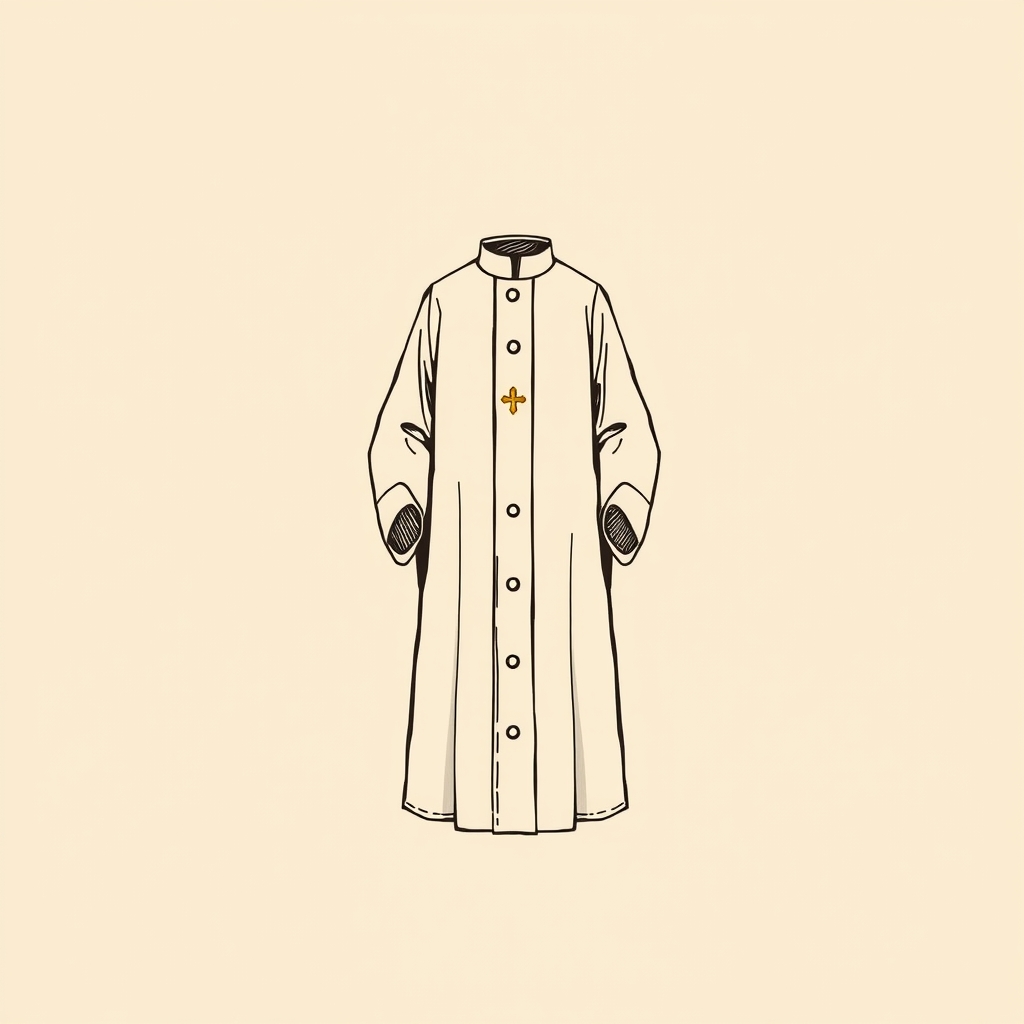
In iconography, Josep Tàpies and 6 companions is recognizable by: Cassock and Palm of martyrdom.
How did Josep Tàpies and 6 companions die?
Josep Tàpies and 6 companions suffered martyrdom for the Christian faith (20th century).
Which saints were contemporaries of Josep Tàpies and 6 companions?
Contemporaries include: Pauline of the Agonizing Heart of Jesus, Felipe de Jesús Munárriz and 50 companions, Mariano de Jesús Euse Hoyos and Teresa of Jesus of the Andes.
What are the other names of Josep Tàpies and 6 companions?
Other forms of the name: Josep Tàpies i Sirvant and José Tàpies y Sirvant.
Annexes & related entities
Structured data for exploration: events, miracles, quotes, places, attributes, patronages, and important entities cited in the text.
Key Events
- Era / death: 1936
- Beatification in 2007 by Benedict XVI
Quotes
-
I will not take one step more nor one step less to escape my persecutors; they will always find me at home. [...] Those who flee will be confessors, those of us who remain may be martyrs
https://vertexaisearch.cloud.google.com/grounding-api-redirect/AUZIYQF9_CCeYQfvIiq9YTdS19Aki39Cs0leSSet5k9-G8SGTvjIfuHsAAsdihIid1wJnptZ89z6_xIdWZEu0iBzd1jLR6_A_BE1wSoP18XBdrHzK3eOfz68fxYOgXY-lhivhvsF2P6eNDpT4vWPDE_4foeh_0XLvfmfSPib_RP67fyhY8b8BCNh73o1yXUtCg== -
Goodbye, Virgin of Ribera, we are going to heaven!
https://vertexaisearch.cloud.google.com/grounding-api-redirect/AUZIYQH3LLdMg8EiT-UzcX6O32760TjlrcB7-qpTFalvX_dJWt1GRuRjWF8MpSLnNr9Xct_A8E3-j1izZa0kYBy9YxZ5O2TTjI5GNMrIMv9oA9o2PTuSS8CDIz_wBJSiqB0VErNAnhsgBSp2qSS81WJbr1yZ -
You already have the palm of martyrdom in your hands, do not let it slip away
https://vertexaisearch.cloud.google.com/grounding-api-redirect/AUZIYQG8PklO9QUi5p4Ju6npUFrzwTJ5dp3Aj_zCXHYPsosNsBw2bVO90OWBZYJBuZP-kQINzZFQ3DUC6ptd7Pnl7B_BIDwO-AToPaCJ6ybTXimr52ENurbq043zEPlY6k0UeJ_iV1j0unVuWmxL888CeIhm_GLiouY4uzMm8BQF9YjkPSPGUSblcaerEyUtOV85GeijaH0qOMQdFnTJEg-65qTFXZQS43z24OkbPRP1mTqEYyWoeQSwRwg= -
I will climb it barefoot, like Jesus Christ who climbed Calvary in this way
https://vertexaisearch.cloud.google.com/grounding-api-redirect/AUZIYQHdVOKTdlbmS1S84U5wIhc_8zXKH3TFLaemPH-SHv2B9FiXAXFe7iM8Jt6yr8EftJPwR7vvRtLBa3Nu2GN7L834Tbo55HRMKw9RJP3V2Ag5B8YDIacHcpNZBa2VJ5r74olDjb94wz6SEaMPBTxR-uWPj2NXkKNw -
Here is my wallet with one hundred pesetas that I was carrying, because I thought we were being taken to Lleida; but as I see that I will no longer need them, I give them to you and I forgive you in the name of all. Long live Christ the King!
https://vertexaisearch.cloud.google.com/grounding-api-redirect/AUZIYQFIVMhgI85GCGzca3Z6FxVZciet4hYuhe_qE7zIg4X3dloAluBv1BBUiVDGp6sIUTRiQ4N7fSNSR8Q4_d7i5BrJetpyh1LivPM-RXrj-6NnxJO6NGPg6svJd0-6jFNaxa8ZLVz6lA==