
Saint Flour
According to the tradition reported by the Petits Bollandistes, Flour was sent by Saint Peter to evangelize Lodève, Aquitaine, and Arvernia. The entry recounts the miracle of a spring and traces the cult of his relics at Saint-Flour.
Guided reading
7 reading sections
SAINT FLOUR, BISHOP (1st and 2nd centuries).
Origins and Mission in Narbonnaise
The tradition reported by the work links the mission of Flour to Saint Peter.
According to the oldest monuments of the churche s of Saint- Flour and Lodève, Saint Flour was one of the disciples of Our Lord, and it wa s Saint Pete r, the prince of the Apostles, who sent him to preach the Gospel in Narbonnese Gaul. Scarcely had he set foot on the soil of Lodève when his preaching brought down the ancient oaks and old beeches, that is to say, idolatry, which the peoples of Gaul practiced around the great trees. He then devoted all his care to the instruction of the new converts, nourishing them with evangelical precepts with all the solicitude of a good pastor.
Evangelization of Aquitaine
The source reports a mission in Aquitaine and the story of the gushing spring.
When he had set the church of Lodève on a firm footing, he headed towards Aquitaine to clear new lands, to spread the good seed in new soil in place of the extirpated tares. His conquests in this country were important, thanks to the virtue of his preaching and his miracles. Having reached the summit of a hill with his companions, the latter became thirsty, and water was lacking to refresh them. Then Florus, with the staff he held in his hand, struck the earth, which opened to let flow a beautiful spring, whose waters have never run dry since that day. After having evangelized Aquitaine and the Cévennes, he arrived among the Arverni.
Foundation in Arvernia
Flour settled at Mount Indiciac according to the entry.
The herald of the holy Gospel stopped at Mount Indiciac, in a tiny town which, in time, took the name of the apostle and was called Saint-Fl our. From t his summit, our blessed Flour, a true flower of heaven, spread the divine fragrance of Jesus Christ through out the mountains of Arvernia.
Medieval Ecclesiastical Development
The work mentions Cluny, Odilo, Urban II, and John XXII.
Around the year 1000, Saint-Flour and its territory were given t o the Abbey of Cluny. Saint Odilo had a church built in the town which he dedicated to Saint Peter and Saint Paul.
A few years later, the foundations of the current cathedral were laid. U rban II c onsecrated it after the Council of Clermont and elevated the relics of Saint Flour above the high altar (1095). Fi nally, Jo hn XXII divided the diocese of Clermont and elevated the Abbey of Saint-Flour into a bishopric (1316).
Cult and Relics
The book notes the cult of Flour at Machy and a relic at Abbeville.
Saint Flour is the patron of Machy; one of his relics is preserved at S aint-Vulfran in Abbeville .
Sources and Reference of the Work
Reference for the entry and cross-reference to November 4.
Proper of Saint-Flour and Clermont. — See November 4.
Source and Editorial Note
This entry reproduces the historical text of the Petits Bollandistes, proofread against the digitized pages. The traditions and assessments of the author belong to the era of the work.
Paul Guérin, Les Petits Bollandistes, volume 6, p. 368. Digitized copy by the Bibliothèque nationale de France: https://gallica.bnf.fr/ark:/12148/bpt6k30736h
Editorial note: This entry incorporates a tradition that makes Flour a disciple of Christ sent by Saint Peter and places him in the 1st and 2nd centuries. It does not provide precise years of birth and death. Its statements regarding relics and buildings describe the state of knowledge at the time of the work.
Iconography
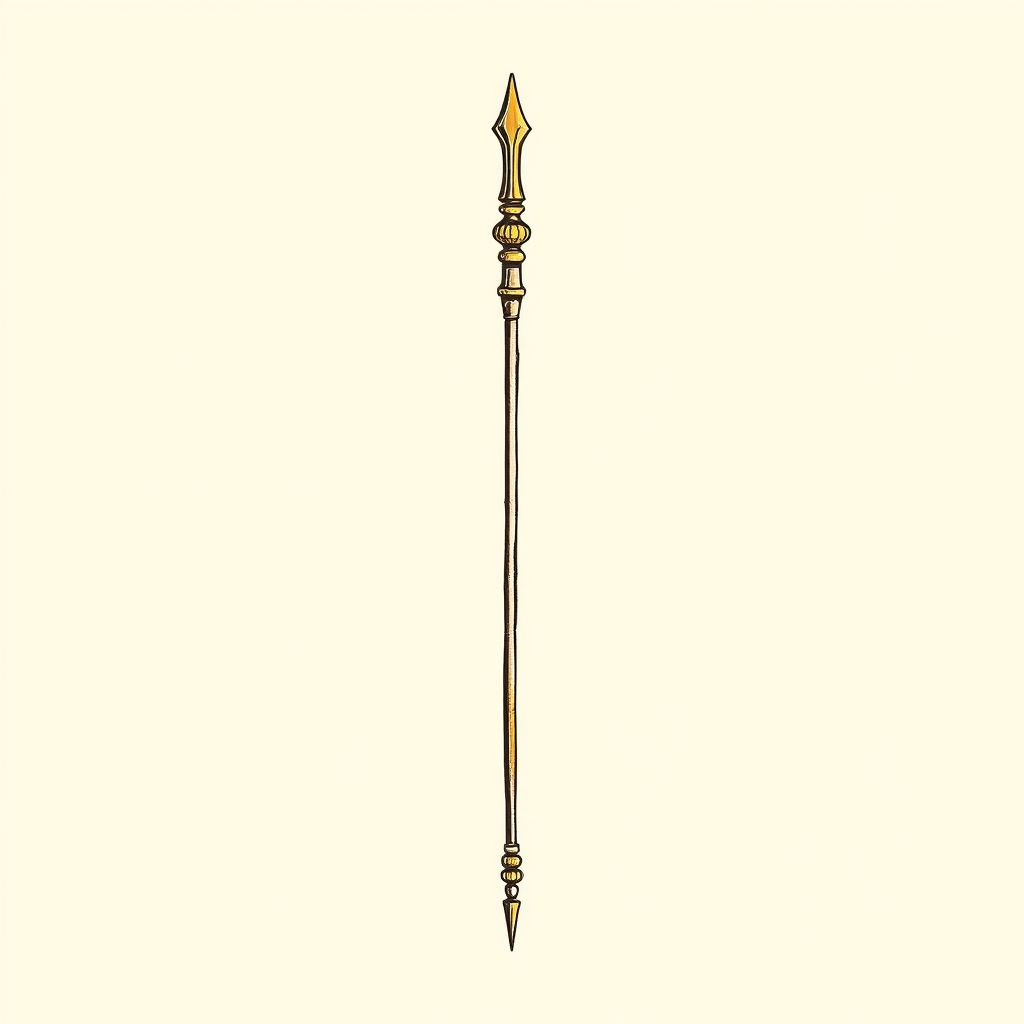
Signs and attributes

Entities
Narrative network
The names, places, and concepts most present in the entry, weighted by centrality in the text.
The supernatural in their life
The miracles of Saint Flour
Frequently asked questions about Saint Flour
Who was Saint Flour?
According to the tradition reported by the Petits Bollandistes, Flour was sent by Saint Peter to evangelize Lodève, Aquitaine, and Arvernia. The entry recounts the miracle of a spring and traces the cult of his relics at Saint-Flour.
What is Saint Flour the patron saint of?
Patronage of Saint Flour: Saint-Flour and Machy.
How is Saint Flour depicted in Christian art?
In iconography, Saint Flour is recognizable by: staff and miraculous spring.
What miracles are attributed to Saint Flour?
1 miracle are attributed to this saint, notably: Mastery of the elements.
What are the other names of Saint Flour?
Other forms of the name: Florus.
Annexes & related entities
Structured data for exploration: events, miracles, quotes, places, attributes, patronages, and important entities cited in the text.
Key Events
- Sent to Narbonnese Gaul by Saint Peter according to the tradition reported by the work
- Evangelization of Lodève and destruction of idolatry
- Mission in Aquitaine and the Cévennes
- Miracle of the spring on a hilltop
- Establishment at Mount Indiciac (Saint-Flour)