Born in 1250, John of Avellino led a tumultuous youth before converting and becoming a Franciscan lay brother. Recognized for his extreme humility and mystical ecstasies, he ended his days at the convent of Todi in 1313. His life was marked by a transition from warlike violence to radiant holiness, punctuated by miracles and divine visions.
Contemporaries

Figures and markers around the normalized period for this entry.
Guided reading
6 reading sections
BLESSED JOHN OF AVELLINO,
LAY BROTHER OF THE ORDER OF SAINT FRANCIS (1313).
A tumultuous youth
John of Avellino led a life of debauchery and war, violently opposing his father who wished to rebuild the church of Avellino.
Blessed John of Avellino, who was born in 1250 in the Kingdom of Naples, was the son of John- James Armenius of Montfort and Th omasine of Capua. His youth was far from irreproachable; he became involved in the terrible wars of that era and allowed himself to be drawn into excesses of all kinds. His piety was more than doubtful; his father was preparing to rebuild at his own expense the church of Avellino, which had been burned. John made every effort to convince him to dedicate the sums of money already collected to another use, and, upon the Count's refusal, he conceived a mortal hatred against him and swore that he would take, with arms in hand, the gold intended for the church.
The conversion
A disciple of Saint Francis predicts the conversion of John, who shortly thereafter becomes a Franciscan lay brother.
At that moment, a venerable religious, a disciple and companion of Saint Francis, arrived in Ave llino; Montfort ran to him as if to a messenger from heaven: "My friend," the monk said to him, "your son will one day be a lay brother and will set an example of all virtues." A few weeks later, this prophecy was fulfilled.
Penance and apostolate
Having become a religious, he practiced extreme mortifications and strove to convert his former companions in debauchery.
From the year of his novitiate, this converted impious man attained the Christian perfection of the holiest religious. He was sometimes seen in the streets of the city, his eyes full of tears, throwing himself at the feet of one of his former friends, saying: "You who knew me as a wretched sinner, and for whom I was a cause of scandal, I beg you, follow me now on the path of repentance." He brought a number of people back to the good through his example, among others a woman of ill repute who, in the hope of marrying him, had tried to make him fall back into his former excesses. Blessed John of Avellino spared himself no kind of mortification: he fasted, he prolonged his vigils, he practiced severe disciplines, he walked barefoot, his eyes fixed on the ground, fearing like a criminal to encounter gazes that would condemn him. In the chapel, he prayed with the piety of angels. No noise disturbed him from his meditations, and more than once his brothers saw him with astonishment rise from the ground in a whirlwind of light.
The flight to Umbria
Fleeing his own fame and the crowds, he retired to Todi in Umbria, where he continued to attract the faithful in spite of himself.
However, the fame of his holiness had gradually spread throughout the province, and people flocked from all sides to ask him for consolation, good advice, and examples of virtue. The respect shown to him, of which he believed himself unworthy, caused him true suffering; he asked his superiors and obtained permission to be sent to Umbria, where he hoped to find solitude and calm. He was mistaken; barely arrived at the convent of Todi, he fou nd h imself subjected to what he called the same persecutions. People came to him as if he were an envoy from heaven: the sick to be healed, sinners to be converted, and good men to be supported and encouraged by his example. The good brother did not know how to free himself from this influx; through much prayer, he obtained the grace to no longer perform miracles; he never had the happiness of escaping the veneration of men.
Last days and heavenly visions
Subject to ecstasies, he received visions of the Virgin and Saint Francis before passing away in 1313.
During the year that preceded his death, he was subject to frequent ecstasies, no doubt merited by a redoubling of austerities. The sufferings of his final illness were tempered by the Blessed one's spiritual conversations with Saint Francis, the B lessed Virgin, and the Son of God himself, who appeared to him several times in his full and infinite majesty. It was on June 11, 1313, at the age of sixty-three, that he fell asleep gently in the bosom of the Lord.
Posthumous cult
He is buried in Todi alongside John of Todi, where his tomb becomes a place of miracles.
The news of his death drew a crowd of men and women to the convent chapel, eager to honor the precious remains of Brother John, to kiss his feet and hands. He was buried in the church of Todi, in the same vault a s Br other John of Todi. Miracles were p erformed at his tomb.
Iconography
Signs and attributes



Entities
Narrative network
The names, places, and concepts most present in the entry, weighted by centrality in the text.
The supernatural in their life
The miracles of Blessed John of Avellino
Frequently asked questions about Blessed John of Avellino
Who was Blessed John of Avellino?
Born in 1250, John of Avellino led a tumultuous youth before converting and becoming a Franciscan lay brother. Recognized for his extreme humility and mystical ecstasies, he ended his days at the convent of Todi in 1313. His life was marked by a transition from warlike violence to radiant holiness, punctuated by miracles and divine visions.
What is Blessed John of Avellino invoked for?
Blessed John of Avellino is invoked for: healing of the sick, conversion of sinners and consolation.
How is Blessed John of Avellino depicted in Christian art?
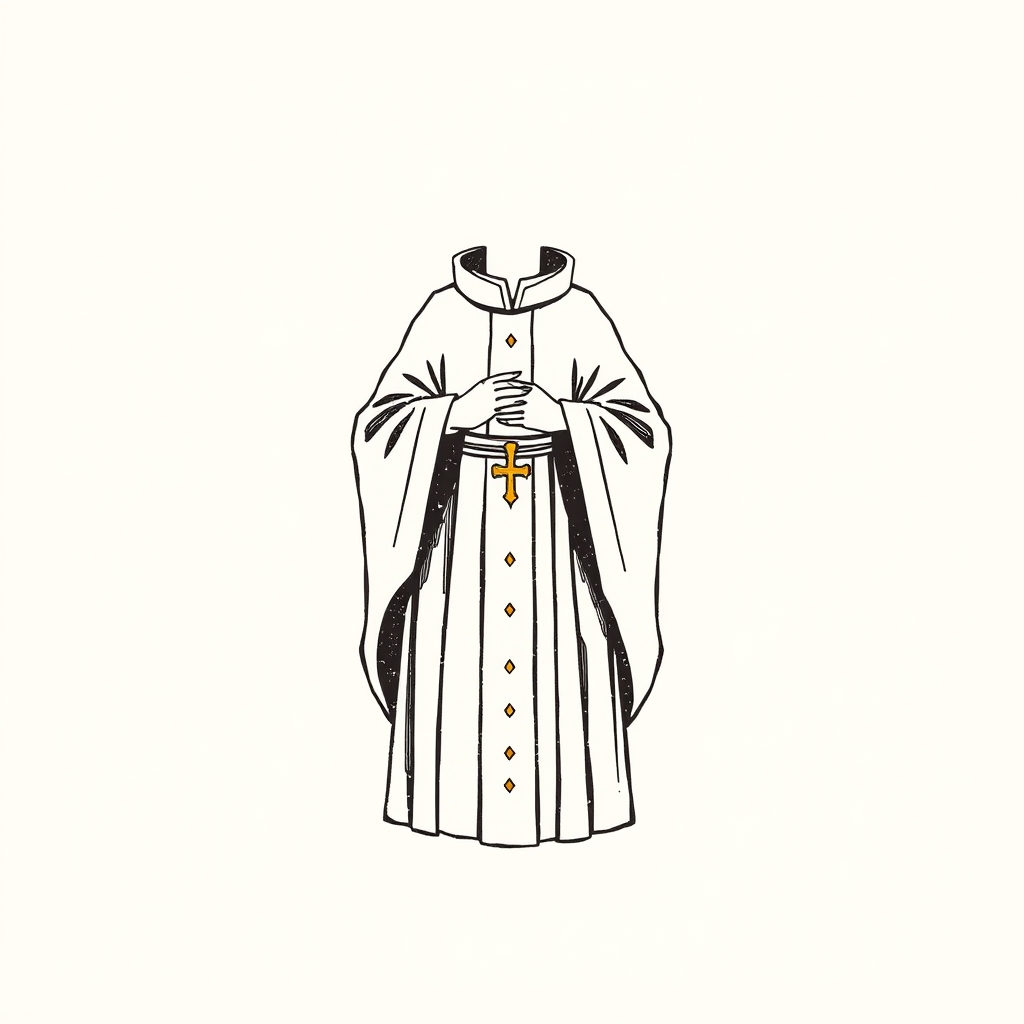
In iconography, Blessed John of Avellino is recognizable by: Franciscan habit, barefoot, levitation and whirlwind of light.
What miracles are attributed to Blessed John of Avellino?
4 miracles are attributed to this saint, notably: Levitation / bilocation, Sign / wonder and Healing.
Which saints were contemporaries of Blessed John of Avellino?
Contemporaries include: Saint Thomas Aquinas, Saint Anthony of Padua (Ferdinand), Saint Arthaud of Belley and Saint Peregrinus of Auxerre.
When did Blessed John of Avellino die?
Blessed John of Avellino died around 1313.
What are the other names of Blessed John of Avellino?
Other forms of the name: Jean-Jacques Armenius de Montfort.
Who are the relatives of Blessed John of Avellino?
Relatives of Blessed John of Avellino: Jean-Jacques Armenius de Montfort (father) and Thomasine de Capoue (mother).
Annexes & related entities
Structured data for exploration: events, miracles, quotes, places, attributes, patronages, and important entities cited in the text.
Key Events
- Born in 1250 in the Kingdom of Naples
- Dissipated youth and participation in wars
- Conflict with his father regarding the reconstruction of the church in Avellino
- Conversion following the prophecy of a disciple of Saint Francis
- Entered the Franciscan Order as a lay brother
- Retreat in Umbria at the Todi convent to escape his fame
- Visions of Saint Francis, the Virgin Mary, and Christ before his death
Quotes
-
You who knew me as a miserable sinner, and for whom I was a cause of scandal, I beg you, follow me now on the path of repentance.
Words reported to former friends