María Guadalupe García Zavala
A Mexican religious sister, Maria Guadalupe García Zavala founded the congregation of the Handmaids of Saint Margaret Mary and the Poor in 1901 with Father Cipriano Iñiguez, dedicated to the care of the sick. Canonized by Pope Francis in 2013, she is invoked as the patroness of nurses.
Contemporaries

Figures and markers around the normalized period for this entry.
Guided reading
5 reading sections
Biography
Born in Zapopan in 1878 into a pious family, Anastasia Guadalupe García Zavala renounced a marriage proposal to follow her religious vocation and dedicated herself to the service of the sick, until her death in Guadalajara in 1963.
Anastasia Guadalupe García Zavala was born on April 27, 1878, in Zapopan, in the State of Jalisco, Mexico, and was baptized in the parish of Saint Peter the Apostle. She was the daughter of Fortino García, a merchant who owned a religious goods shop near the Basilica of Zapopan, and Refugio Zavala. Raised in a deeply Catholic environment, she frequented the Marian sanctuary of Zapopan and grew up in piety. A young woman known for her beauty and gentleness, she became engaged around the age of twenty-three to a certain Gustavo Arreola; but, feeling a stronger call to give herself entirely to God and to the service of the poor, she broke off this engagement in 1901 to embrace religious life. Under the guidance of her confessor, the priest Cipriano Iñiguez Martín del Campo, she committed herself from then on to the care of the most destitute sick. Known to all by the affectionate name of "Madre Lupita," she dedicated the rest of her existence to this work of charity. Afflicted by a long and painful illness starting in 1961, she died in Guadalajara on June 24, 1963, at the age of eighty-five.
Life and Work
In 1901, with Father Cipriano Iñiguez, Mother Lupita founded the congregation of the Handmaids of Saint Margaret Mary and the Poor, dedicated to the free care of the sick, of which she was the superior general until her death.
On October 13, 1901, Guadalupe García Zavala founded, with Father Cipriano Iñiguez Martín del Campo, the congregation of the Handmaids of Saint Margaret Mary and the Poor (Siervas de Santa Margarita María y de los Pobres), placed under the patronage of the Sacred Heart of Jesus. The new community dedicated itself to the care of the poor sick, particularly in the hospital founded in Guadalajara. Mother Lupita was appointed superior general, a position she would hold until the end of her life. A devoted nurse, she placed herself at the service of the most abandoned without considering poverty or the lack of means: it is reported that she would kneel beside the sick to care for them with tenderness. When the hospital's resources ran low, she did not hesitate to beg in the streets with her sisters to provide for the patients' needs. During the years of religious persecution in Mexico, marked by the Cristero War (1926-1929), she hid wanted priests and even the Archbishop of Guadalajara in her hospital, while her nuns cared for both the wounded and the persecutors indiscriminately. The congregation received diocesan approval in 1935.
Journey toward holiness
Her holiness was accomplished in the humble and joyful service of the sick and the poor, lived as an encounter with the suffering Christ, in a spirit of evangelical poverty and charity.
The holiness of Madre Lupita was not manifested by any outward display, but in daily fidelity to the service of the poorest, performed with gentleness and compassion. Having renounced a comfortable life to follow the call of Christ, she taught, according to Pope Francis, to love poverty in order to love the poor and the sick more. Her spirituality, rooted in devotion to the Sacred Heart of Jesus and inspired by Saint Margaret Mary Alacoque, made the care of suffering bodies an act of love for Christ himself. Pope Francis summarized this intuition by evoking the gesture of "touching the flesh of Christ": "the poor, the abandoned, the sick, the marginalized are the flesh of Christ." Her charity knew no boundaries: during the persecution, she helped both the victims and their persecutors. Her reputation for holiness, spread during her lifetime and after her death among the people of Guadalajara, led to the opening of her cause for beatification in the mid-1980s.
Beatification and canonization
Beatified by John Paul II on April 25, 2004, and canonized by Pope Francis on May 12, 2013, her liturgical feast is set for June 24, the day of her death.
The cause for the beatification of Guadalupe García Zavala was introduced in the mid-1980s. Pope John Paul II recognized a first miracle attributed to her intercession by decree on December 20, 2003, and proclaimed her blessed during a celebration in Saint Peter's Square, in Rome, on April 25, 2004. A second miracle, required for canonization, was approved under the pontificate of Benedict XVI, who set the date during the consistory of cardinals on February 11, 2013—the very day he announced his resignation from the papacy. It was therefore the newly elected Pope Francis who celebrated the canonization on May 12, 2013, in Saint Peter's Square, at the same time as that of Laura Montoya and the martyrs of Otranto. Madre Lupita thus became one of the first saints canonized by Pope Francis. Her liturgical feast is set for June 24, the anniversary of her death.
Spirituality and legacy
Venerated as the patroness of nurses, Madre Lupita leaves behind a congregation that continues her work among the sick and the poor, present in Mexico and several other countries.
The legacy of Madre Lupita remains first and foremost the congregation she founded, the Handmaids of Saint Margaret Mary and the Poor, which continues to care for the sick and serve the poor in the spirit of charity of its founder. Beyond Mexico, where her cult is particularly vibrant in Guadalajara and Zapopan, the congregation has spread to several countries, including Peru and Iceland. Because of her lifelong dedication to the care of the sick, as a nurse kneeling beside the suffering, she is honored as the patroness of nurses and invoked by those who dedicate themselves to the service of the sick. An emblematic figure of 20th-century Mexican holiness, alongside the saints and martyrs of the Cristero era, she embodies a concrete charity, attentive to bodies as much as to souls, and a testimony of reconciliation, having helped friends and adversaries alike without distinction during the persecutions. Her example continues to inspire Christian caregivers and popular devotion in Mexico.
Iconography
Signs and attributes
The supernatural in their life
The miracles of María Guadalupe García Zavala
Frequently asked questions about María Guadalupe García Zavala
Who was María Guadalupe García Zavala?
A Mexican religious sister, Maria Guadalupe García Zavala founded the congregation of the Handmaids of Saint Margaret Mary and the Poor in 1901 with Father Cipriano Iñiguez, dedicated to the care of the sick. Canonized by Pope Francis in 2013, she is invoked as the patroness of nurses.
What is María Guadalupe García Zavala the patron saint of?
Patronage of María Guadalupe García Zavala: Patronne des infirmières and Patron saint of nurses.
What is María Guadalupe García Zavala invoked for?
María Guadalupe García Zavala is invoked for: les malades et les soignants, the sick and caregivers, les pauvres et les abandonnés and the poor and the abandoned.
How is María Guadalupe García Zavala depicted in Christian art?
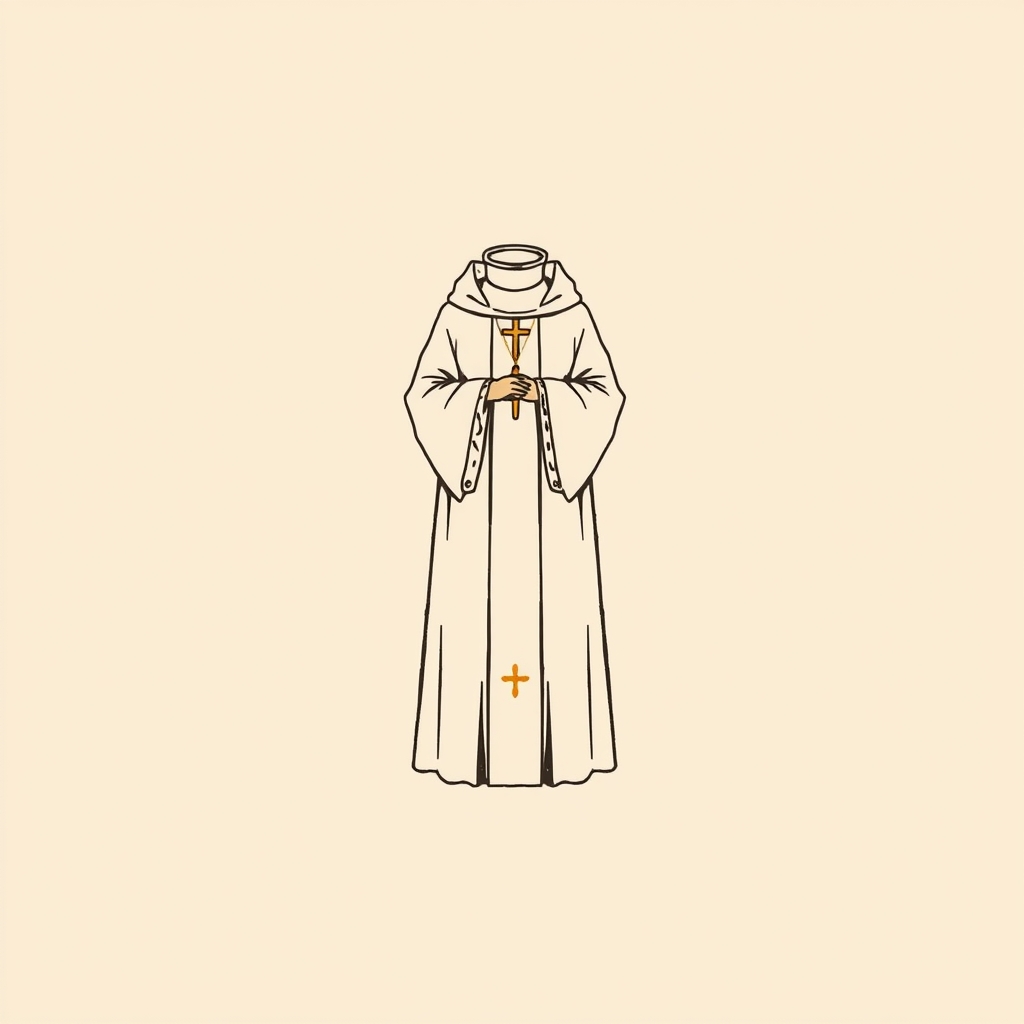
In iconography, María Guadalupe García Zavala is recognizable by: religious habit and care of the sick.
What miracles are attributed to María Guadalupe García Zavala?
2 miracles are attributed to this saint, notably: Healing and Sign / wonder.
Which saints were contemporaries of María Guadalupe García Zavala?
Contemporaries include: Pauline of the Agonizing Heart of Jesus, Felipe de Jesús Munárriz and 50 companions, Mariano de Jesús Euse Hoyos and Teresa of Jesus of the Andes.
When did María Guadalupe García Zavala die?
María Guadalupe García Zavala died around 1963.
What are the other names of María Guadalupe García Zavala?
Other forms of the name: Maria Guadalupe García Zavala, Madre Lupita, Anastasia Guadalupe García Zavala and Maria Guadalupe (Anastasia Guadalupe) García Zavala.
Who are the relatives of María Guadalupe García Zavala?
Relatives of María Guadalupe García Zavala: Fortino García (father, religious goods merchant in Zapopan) and Refugio Zavala (mother).
Annexes & related entities
Structured data for exploration: events, miracles, quotes, places, attributes, patronages, and important entities cited in the text.
Key Events
- Era / death: 1963
- Canonized in 2013 by Francis
Quotes
-
And this is called 'touching the flesh of Christ'. The poor, the abandoned, the sick, the marginalized are the flesh of Christ.
Pope Francis, canonization homily, May 12, 2013 (regarding Madre Lupita)