Group of nine religious—eight Lasallian Brothers and one Passionist priest—martyred in Turón (Asturias) on October 9, 1934, canonized by John Paul II in 1999.
Contemporaries

Figures and markers around the normalized period for this entry.
Guided reading
5 reading sections
Biography
The Martyrs of Turón form a group of nine religious—eight Brothers of the Christian Schools (Lasallians) and one Passionist priest—who were teachers or ministers in Turón, Asturias, and were put to death in October 1934.
The Martyrs of Turón refer to a group of nine Spanish religious gathered in the small mining town of Turón, in the heart of Asturias, in northwestern Spain. Eight of them were Brothers of the Christian Schools, the teaching institute founded by Saint John Baptist de La Salle, in charge of the Nuestra Señora de Covadonga school. The ninth was a Passionist priest, Inocencio de la Inmaculada (Manuel Canoura Arnau), born on March 10, 1887, in the province of Lugo (Galicia), who had come that day to hear the children's confessions. The Lasallian community had been led since 1933 by Brother Cirilo Bertrán, born José Sanz Tejedor, on March 20, 1888, in Lerma, in the province of Burgos. The other Brothers, mostly young, were from Castile, León, Cantabria, and Argentina. All led the ordinary life of youth educators in a mining region troubled by social tensions and the revolutionary agitation of the years preceding the Civil War. Their daily existence, consisting of teaching, catechesis, and prayer, was brutally interrupted by the violence of the Asturian revolution of October 1934.
Life and work
Arrested on October 5, 1934, during the Asturias insurrection, the nine religious were detained for four days and then shot at the Turón cemetery on October 9, 1934.
In October 1934, the Asturias revolution broke out, a workers' insurrection that led to the ephemeral proclamation of a "Socialist Republic" in Oviedo. The Turón mining basin, a hotbed of militancy, became the scene of anticlerical violence: the religious teachers there were perceived as symbols of the social order being fought. On October 5, 1934, militiamen burst into the Lasallian school and arrested the eight Brothers as well as Father Inocencio, who was present to hear the children's confessions. The nine men were imprisoned for four days, notably in a People's House. During the night of October 8 to 9, the revolutionary committee decided on their death sentence. In the early morning of October 9, 1934, they were taken to the local cemetery, shot without trial, and then buried in a mass grave. The Church has recognized them as martyrs killed in hatred of the faith, condemned for their religious state and their mission as Christian educators. Brother Cirilo Bertrán, director of the community, and his companions remained faithful to their vocation to the end, making their death, according to the expression used by ecclesiastical sources, the final lesson of their lives.
Journey toward holiness
Recognized as martyrs who died in fidelity to their religious consecration and their mission as educators, the nine of Turón embody a testimony rendered in persecution.
The journey toward holiness of the Martyrs of Turón is entirely inscribed within the logic of Christian martyrdom: not a path of long years of a reputation for holiness, but a supreme testimony rendered in a few days of trial. Teaching brothers and a priest confessor, they were seized in the very exercise of their vocation, at the service of youth, including the children of some of their own executioners. Ecclesial sources emphasize that they accepted death without denying their faith or their religious state, making their fidelity to their consecration the motive for their condemnation. Their holiness is therefore recognized as that of witnesses (martyrs) who, in accordance with the tradition of the Church, shed their blood in hatred of the faith. The diversity of their origins and ages—from the forty-year-old director to the youngest Brothers in their twenties—gives this group the figure of an entire community offered. It is this common death, lived in prayer and abandonment, that founded their reputation as martyrs and led to the opening of their cause.
Beatification and canonization
Beatified by John Paul II on April 29, 1990, and canonized by him on November 21, 1999, the Martyrs of Turón are celebrated on October 9.
The cause of the nine religious of Turón was introduced in the 20th century and recognized their death as a martyrdom suffered in hatred of the faith. Pope John Paul II beatified them on April 29, 1990, and then canonized them on November 21, 1999, in the Vatican Basilica. Their cause was associated with that of Brother Jaime Hilario Barbal, a Lasallian martyred near Tarragona in 1937, who was canonized on the same day as them; during this celebration of November 21, 1999, Benito Menni and Tommaso da Cori were also proclaimed saints in separate causes. The Martyrs of Turón are among the first martyrs of the Spanish religious persecutions of the 1930s to be raised to the honors of the altar. As they were martyrs, their beatification did not require the recognition of a miracle, but rather the authentication of the martyrdom; however, a miracle attributed to their intercession was recognized for the canonization, in accordance with the procedure. Their liturgical memorial is fixed for October 9, the anniversary of their death.
Spirituality and heritage
Honored by the Institute of the Brothers of the Christian Schools and the Church of Spain, the Martyrs of Turón include Héctor Valdivielso Sáez, the first saint born in Argentina.
The Martyrs of Turón occupy an important place in the memory of the Institute of the Brothers of the Christian Schools (Lasallians), who venerate them as models of Christian educators faithful to their vocation in the service of youth even unto blood. Among them, Brother Benito de Jesús, in the world Héctor Valdivielso Sáez, born in Buenos Aires in 1910, is honored as the first saint born in Argentina, which gives the group a particular influence in Latin America. Inscribed among the first canonized martyrs of the Spanish religious persecutions of the interwar period, they are also associated with the broader memory of the martyrs of that era. Their cult is manifested primarily in Lasallian communities and establishments, in Asturias and in Turón, the site of their martyrdom, as well as in the devotion of the Passionist Church to Father Inocencio de la Inmaculada. Their feast day, October 9, is an occasion to recall the testimony of an entire teaching community given over to its mission.
Iconography
Signs and attributes
Frequently asked questions about Martyrs of Turón (9)
Who was Martyrs of Turón (9)?
Group of nine religious—eight Lasallian Brothers and one Passionist priest—martyred in Turón (Asturias) on October 9, 1934, canonized by John Paul II in 1999.
How is Martyrs of Turón (9) depicted in Christian art?
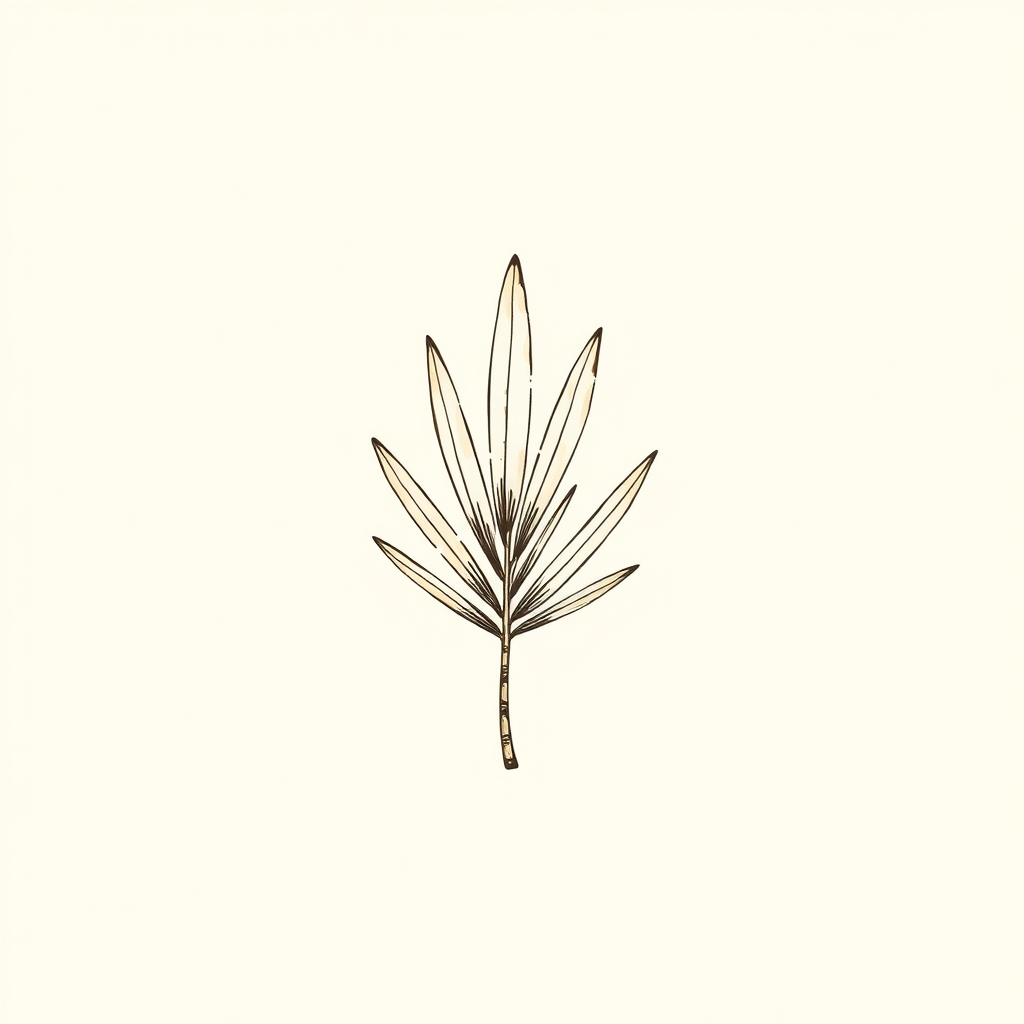
In iconography, Martyrs of Turón (9) is recognizable by: palm of martyrdom.
How did Martyrs of Turón (9) die?
Martyrs of Turón (9) suffered martyrdom for the Christian faith (20th century).
Which saints were contemporaries of Martyrs of Turón (9)?
Contemporaries include: Pauline of the Agonizing Heart of Jesus, Felipe de Jesús Munárriz and 50 companions, Mariano de Jesús Euse Hoyos and Teresa of Jesus of the Andes.
What are the other names of Martyrs of Turón (9)?
Other forms of the name: Mártires de Turón, Martyrs of Turón, Martiri di Turón and Cirilo Bertrán et huit compagnons.
Annexes & related entities
Structured data for exploration: events, miracles, quotes, places, attributes, patronages, and important entities cited in the text.
Key Events
- Era / death: 1934
- Canonized in 1999 by John Paul II