Aegidius Mary of Saint Joseph
A humble Alcantarine Franciscan friar, Aegidius Mary of Saint Joseph (1729-1812) dedicated his life to the poor and sick of Naples, where he was known as the 'Comforter of Naples'.
Contemporaries

Figures and markers around the normalized period for this entry.
Guided reading
5 reading sections
Biography
Youth in Taranto, poverty, work as a ropemaker and feltmaker, then entry into the Alcantarine Friars Minor.
Born on November 16, 1729, in Taranto, in the Apulia region (Italy), Francesco Antonio Domenico Pasquale Pontillo (sometimes spelled Postillo in certain official documents) grew up in a very poor but deeply Christian family. From his childhood, he experienced precariousness and quickly had to learn his parents' trades: he became a ropemaker ("funaio") and a feltmaker ("felpaiuolo"). At the age of eighteen, the death of his father left him as the sole support for his mother and his siblings. He then worked tirelessly to provide for their needs, while sharing what little he had with the most destitute.
It was only in February 1754, after his mother's remarriage and the securing of his family's well-being, that he could finally realize his deep aspiration: to dedicate himself entirely to the Lord. He was then welcomed by the Alcantarine Friars Minor (a reformed branch of the Order of Friars Minor, stemming from the reform of Saint Peter of Alcantara) of the province of Lecce. He began his novitiate at the convent of Galatone under the name of Brother Giles of the Mother of God (Frate Egidio della Madre di Dio). On February 28, 1755, he made his solemn religious profession in the hands of the provincial minister, Father Damien of Jesus and Mary, and took the name of Brother Giles-Mary of Saint Joseph (Egidio Maria di San Giuseppe).
Life and Work
Service as cook, porter, and questor in Naples, devotion to the poor, and popular miracles.
After his profession, Brother Egidio Maria was sent to the convent of Squinzano (Lecce), where he served as the community cook for four years, until May 1759. After a brief stay at the convent of Capurso (Bari), near the sanctuary of the Madonna del Pozzo (Our Lady of the Well), he was assigned in May 1759 to Naples, to the small hospice of San Pasquale a Chiaia, which was elevated to the rank of a convent ("Guardianato") that same year.
He would spend the next fifty-three years of his life in Naples. Initially a cook, he was entrusted with the duties of porter and questor (beggar for the convent). It was in these humble roles that he became an essential and beloved figure in the Neapolitan city, which was then in the throes of profound political and social upheaval (notably the French occupation and the fall of the Bourbon regime).
Every day, he walked the streets of Naples to beg for alms. What he received, he immediately redistributed to the poor, the sick, and the outcasts. His tireless charity and his ability to console the afflicted earned him the title of "Consoler of Naples" during his lifetime. He was also renowned for numerous wonders, such as healings, multiplications of food, and prophecies (he notably predicted to Joseph Bonaparte the brevity of his reign). One of the most famous popular miracles attributed to him is the resurrection of "Catarinella," the convent's little heifer, which was found butchered at a butcher's shop and which he is said to have brought back to life through his prayer.
Path to Holiness
Holy death in 1812, popular fervor during his funeral, and the introduction of his cause for beatification.
The reputation for holiness of Brother Egidio Maria was immense during his lifetime. When he passed away on February 7, 1812, at noon, at the very moment the bells of the church of San Pasquale a Chiaia were ringing the Angelus, an immense crowd of Neapolitans pressed to his funeral, already venerating him as a saint.
The cause for beatification was quickly introduced. The informative process opened in Naples in 1836 and closed in 1843. On February 24, 1868, Pope Pius IX promulgated the decree recognizing the heroic nature of his virtues, thus conferring upon him the title of Venerable.
Beatification and canonization
Beatification in 1888 by Leo XIII, miracle of the healing of Angela Mignogna, and canonization in 1996 by John Paul II.
Beatification: The Venerable Egidio Maria di San Giuseppe was beatified on February 5, 1888, by Pope Leo XIII in Rome. Canonization: The miracle accepted for his canonization was the instantaneous, complete, and lasting healing of Mrs. Angela Mignogna, a native of Taranto, who in 1937 was suffering from uterine choriocarcinoma (a severe form of cancer). After the favorable examination by the medical board and the theologians, Pope John Paul II authorized the promulgation of the decree of the miracle on December 15, 1994. The canonization ceremony was celebrated by Pope John Paul II on June 2, 1996, in Saint Peter's Square in Rome. On this occasion, the Sovereign Pontiff emphasized that his example invites Christians to live the Gospel of the Beatitudes fully. In 1919, he had also been declared co-patron of his hometown of Taranto.
Spirituality and legacy
Franciscan spirituality, Marian devotion, exhortation to love God, and veneration of his relics in Naples and Taranto.
The spirituality of Saint Egidio Maria is deeply rooted in the Franciscan ideal of absolute poverty, humility, and perfect joy. Like Saint Francis of Assisi, he contemplated creation as a mirror of divine goodness. His life of prayer was marked by fervent adoration of the Eucharist, deep meditation before the Crucifix, and a tender devotion to the Virgin Mary, particularly under the title of the Madonna del Pozzo (Our Lady of the Well), as well as to Saint Paschal Baylon, Saint Peter of Alcantara, and Saint Joseph.
His spiritual message is summarized in the exhortation he repeated tirelessly to everyone he met in the streets of Naples: "Amate Dio, amate Dio!" (Love God, love God!).
His body rests and is venerated in the church of San Pasquale a Chiaia in Naples. In Taranto, his cult is particularly vibrant, notably thanks to the Friars Minor of the convent of San Pasquale, where a museum housing his relics and objects that belonged to him was inaugurated in 2009.
Iconography
Signs and attributes
The supernatural in their life
The miracles of Aegidius Mary of Saint Joseph
Frequently asked questions about Aegidius Mary of Saint Joseph
Who was Aegidius Mary of Saint Joseph?
A humble Alcantarine Franciscan friar, Aegidius Mary of Saint Joseph (1729-1812) dedicated his life to the poor and sick of Naples, where he was known as the 'Comforter of Naples'.
What is Aegidius Mary of Saint Joseph the patron saint of?
Patronage of Aegidius Mary of Saint Joseph: Tarente and Taranto.
What is Aegidius Mary of Saint Joseph invoked for?
Aegidius Mary of Saint Joseph is invoked for: Pauvres, The poor, Malades, The sick, Exclus and Excluded.
How is Aegidius Mary of Saint Joseph depicted in Christian art?
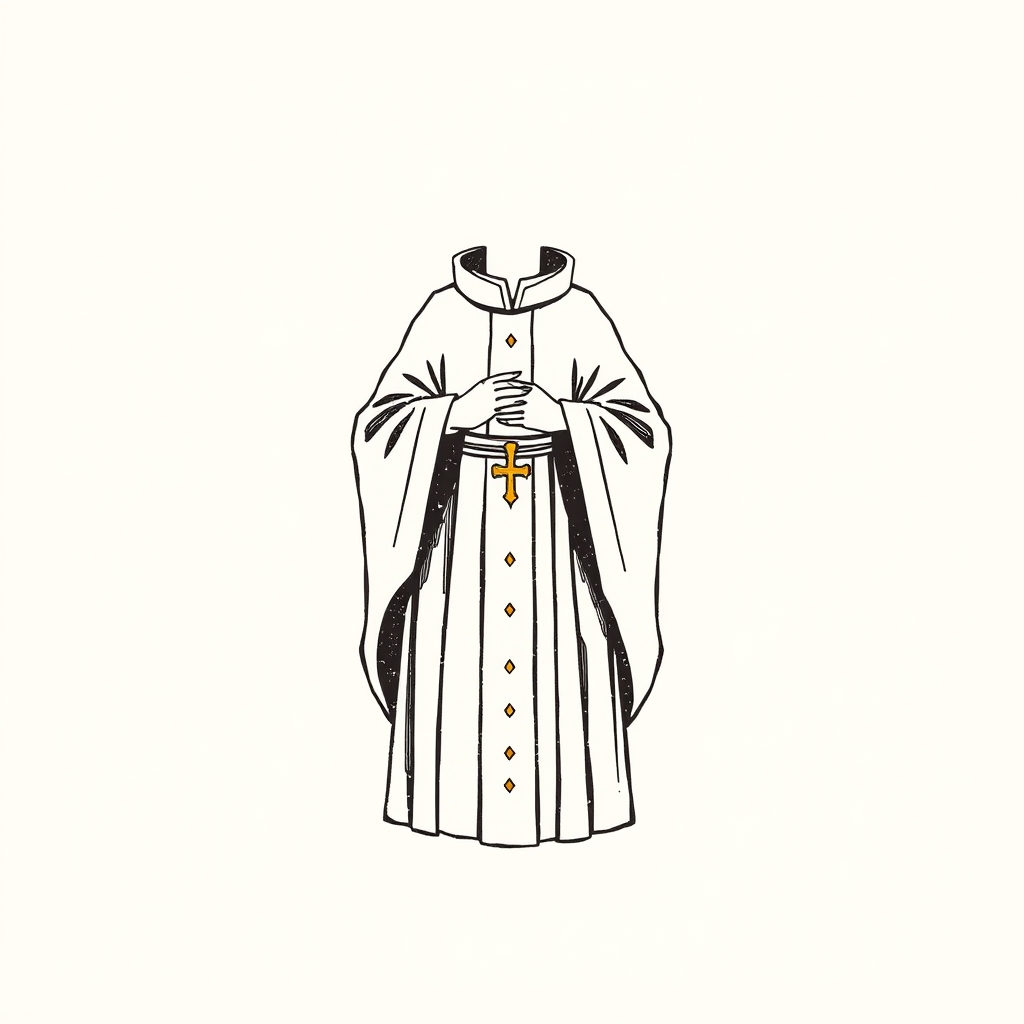
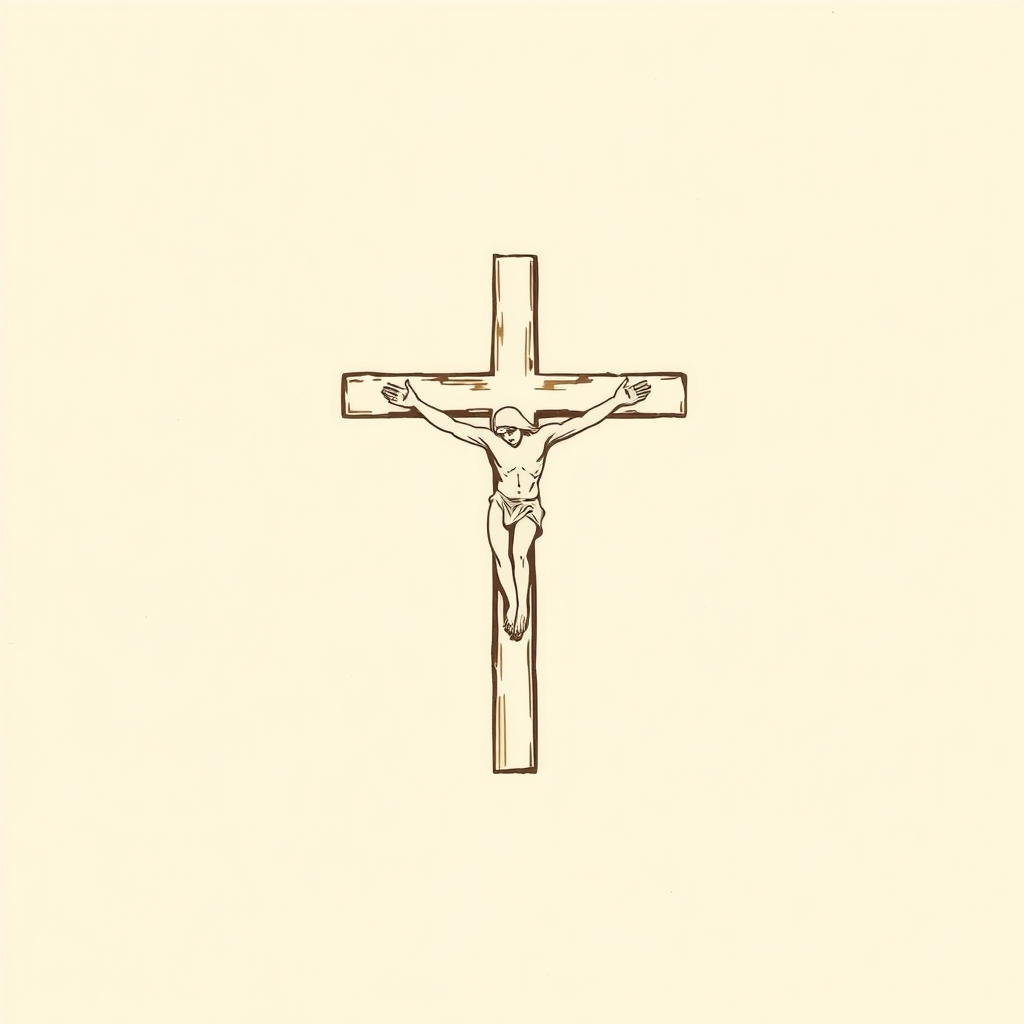
In iconography, Aegidius Mary of Saint Joseph is recognizable by: Franciscan habit, Crucifix and Image of the Virgin of the Madonna del Pozzo.
What miracles are attributed to Aegidius Mary of Saint Joseph?
5 miracles are attributed to this saint, notably: Resurrection, Healing, Multiplication / provision and Prophecy / infused knowledge.
Which saints were contemporaries of Aegidius Mary of Saint Joseph?
Contemporaries include: Jesús María Echavarría Aguirre, Pauline of the Agonizing Heart of Jesus, Narcisa de Jesús and Juan de Jesús López y González.
When did Aegidius Mary of Saint Joseph die?
Aegidius Mary of Saint Joseph died around 1812.
What are the other names of Aegidius Mary of Saint Joseph?
Other forms of the name: Francesco Antonio Domenico Pasquale Pontillo, Francesco Antonio Domenico Pasquale Postillo, Frate Egidio della Madre di Dio, Egidio Maria di San Giuseppe and Égide-Marie de Saint-Joseph.
Annexes & related entities
Structured data for exploration: events, miracles, quotes, places, attributes, patronages, and important entities cited in the text.
Key Events
- Era / death: 1812
- Canonized in 1996 by John Paul II
Quotes
-
Love God, love God!
https://vertexaisearch.cloud.google.com/grounding-api-redirect/AUZIYQGtD5uDrkgvYSCrZhKm_dBS0m2KtSm8SxduWdz8OynuGCswKW47z910lHj5ToxGnhok88xc-SiRA1t79OIxlTIxQUOTGI9jG2XVybP9y5HpKl7WJ_kNxR9mSsvYhMcObsnTzUTxDINBiT_UIWcb5-Cv6GuKgXO63QSC-5AGZhY-I8XsqYevzvp20vvP7HulA6jMuJpykwaqWRtUhUN-ahBd5IE=