Nuno Álvares Pereira
An exceptional military general and Portuguese national hero, Nuno Álvares Pereira (1360-1431) abandoned his titles and fortune to become a simple lay brother among the Carmelites.
Contemporaries

Figures and markers around the normalized period for this entry.
Guided reading
5 reading sections
Biography
Birth, family origins, and marriage of Nuno Álvares Pereira.
Nuno Álvares Pereira was born on June 24, 1360, in Portugal, most likely in Cernache do Bonjardim (or in Flor da Rosa, Crato). He was the illegitimate son of Friar Álvaro Gonçalves Pereira, a knight of the Order of Saint John of Jerusalem (Hospitallers) and Prior of Crato, and of Iria Gonçalves do Carvalhal. About a year after his birth, the young boy was legitimized by royal decree, which allowed him to receive the classical chivalric education reserved for the sons of the nobility of his time. At the age of thirteen, he became a page to Queen Leonor (Leonor Teles) and was admitted to the royal court, where he was quickly knighted. At sixteen, to comply with his father's wishes, he married a young and wealthy widow, Dona Leonor de Alvim. From this union, three children were born: two boys who died in infancy, and a daughter, Beatriz, who would later marry Afonso, first Duke of Braganza (natural son of King John I), thus laying the foundations for the future royal dynasty of Braganza.
Life and Work
Military exploits for the independence of Portugal and entry into the Carmelite Convent.
In October 1383, the death of King Ferdinand I without a male heir plunged Portugal into a serious succession crisis. The crown was claimed by the King of Castile, who had married the late king's daughter. To preserve national independence, Nuno Álvares Pereira took the side of John (João), Master of Aviz, the illegitimate brother of Ferdinand I. Appointed Constable of Portugal (supreme commander of the army) at only 24 years old, Nuno revealed exceptional military genius. He led the Portuguese troops to victory in decisive battles where they were nonetheless significantly outnumbered: the Battle of Atoleiros (April 1384), the famous Battle of Aljubarrota (August 14, 1385) which sealed the country's independence, and the Battle of Valverde (October 1385). Alongside his military exploits, Nuno led an intense spiritual life, marked by a deep love for the Eucharist and the Virgin Mary. He fasted in honor of Mary on Wednesdays, Fridays, Saturdays, and on the vigils of her feast days. His personal standard bore the images of Christ crucified, the Virgin Mary, Saint James, and Saint George. Thanks to his immense fortune, he had numerous churches and monasteries erected, notably the Church of Santa Maria da Vitória in Batalha and the Carmelite Convent (Convento do Carmo) in Lisbon, founded in 1389 following a vow made during the Battle of Valverde. After the death of his wife in 1387, Nuno refused to remarry and chose to live in chastity. Once peace was definitively established with Castile, he distributed the majority of his wealth to his former companions-in-arms and to the poor. On August 15, 1423, he definitively abandoned his titles and entered as a simple lay brother (frade donato) at the Carmelite Convent of Lisbon, taking the name Brother Nuno of Saint Mary (Frei Nuno de Santa Maria). Refusing any privilege linked to his former rank, he dedicated himself to the humblest tasks, such as sweeping the cloisters, and organized a daily distribution of food for the city's indigent. He passed away at the convent on April 1, 1431, on Easter Sunday, surrounded by King John I and his family.
Path to Sainthood
Post-mortem popular devotion and historical obstacles to his canonization.
From the moment of his death, popular piety acclaimed him as a saint, bestowing upon him the affectionate title of "Santo Condestável" (the Holy Constable). His tomb at the Carmo Convent became an important place of pilgrimage. However, the formal process of canonization encountered numerous political and historical obstacles over the centuries, particularly during the period of the Iberian Union (1580-1640), when public veneration was restricted. After the restoration of Portuguese independence, Kings John IV (in 1641) and Peter II (in 1674) petitioned the Holy See for his beatification in vain. The great Lisbon earthquake of 1755 destroyed the Carmo Convent and his original tomb, but his relics were preserved and moved several times. It was not until the end of the 19th century, in 1894, that Father Anastasio Ronci, Postulator General of the Carmelites, succeeded in officially relaunching the cause to have his immemorial cult recognized.
Beatification and canonization
Recognition of the cult by Benedict XV and the miracle of healing leading to his canonization by Benedict XVI.
On January 15, 1918, the Congregation of Rites officially recognized the traditional cult rendered to Nuno Álvares Pereira. On January 23, 1918, Pope Benedict XV ratified this decision through the decree Clementissimus Deus, thus proclaiming his beatification. The cause for canonization was officially reopened on July 13, 2003, by the Cardinal-Patriarch of Lisbon, José Policarpo. The miracle accepted for his canonization was the unexplained healing of Guilhermina de Jesus, a native of Vila Franca de Xira who was residing and working in Ourém at the time of the events. In September 2000, this woman, then aged approximately 55 or 56, suffered severe burns to her left eye caused by splashes of boiling oil while frying fish. Specialists estimated that a recovery of sight would take at least a year, without any guarantee, and considered a corneal transplant. After praying intensely to Blessed Nuno and kissing his image on the night of December 7, 2000, she felt a deep peace and instantly and completely regained her sight. On July 3, 2008, Pope Benedict XVI signed the decree recognizing this miracle. Saint Nuno of Saint Mary was solemnly canonized by Pope Benedict XVI on April 26, 2009, in Saint Peter's Square in Rome.
Spirituality and legacy
Ideal of Christian chivalry, Marian devotion, and historical impact in Portugal.
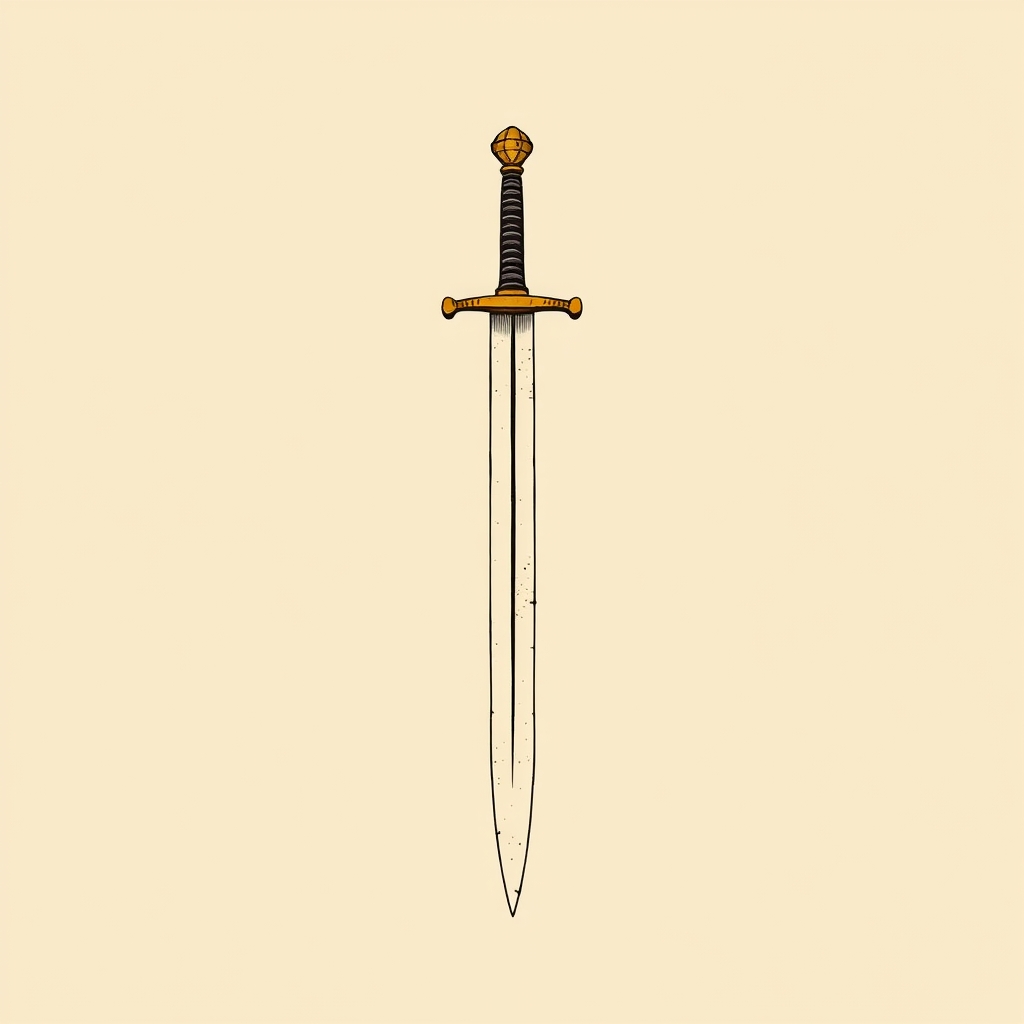
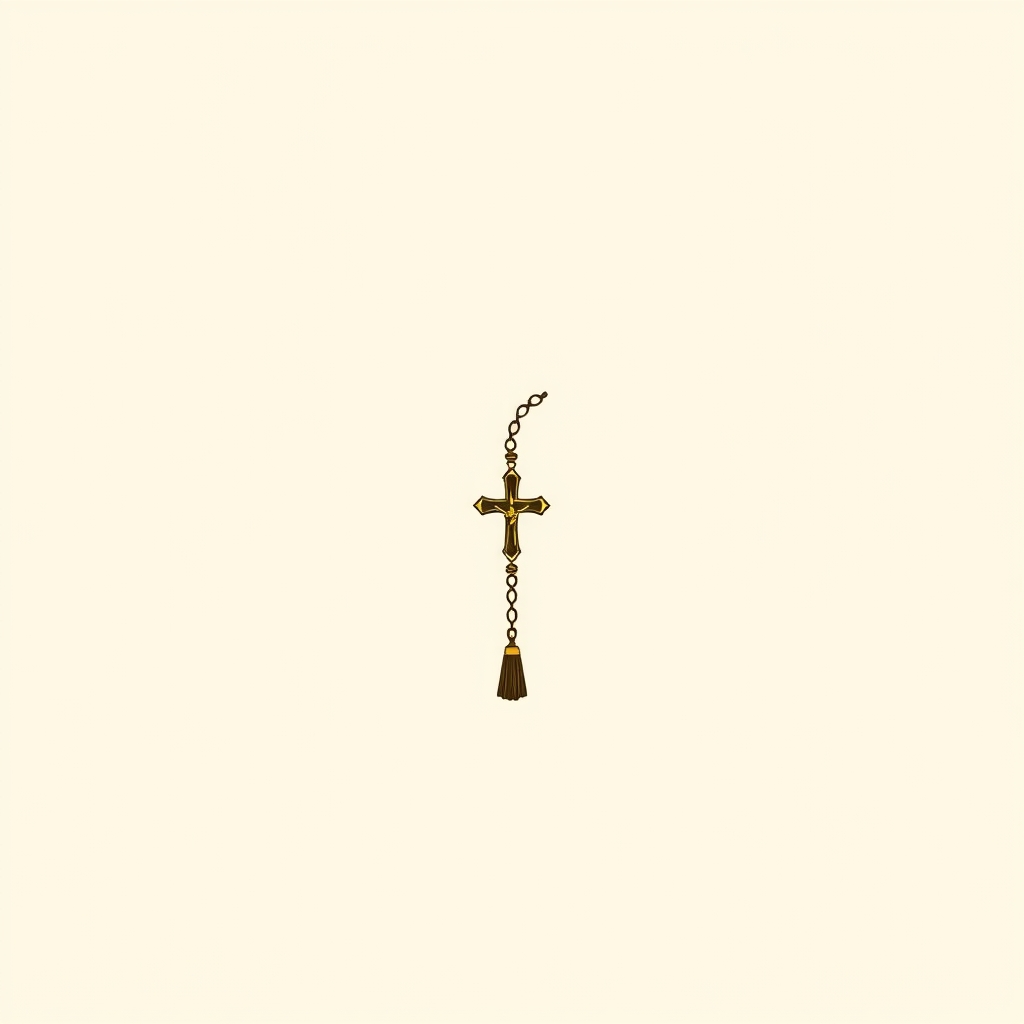
The spirituality of Saint Nuno of Saint Mary is based on the ideal of Christian chivalry placed at the service of God and the poorest. He knew how to reconcile the duties of an exceptional military leader with a radical evangelical humility, trading the sword for the rosary and the honors of the court for the service of the disinherited. His Marian and Eucharistic devotion deeply marked the religious history of Portugal. On a historical and cultural level, he is considered one of the greatest national heroes of Portugal. The poet Luís de Camões celebrates his exploits fourteen times in his national epic The Lusiads. Saint Nuno is the patron saint of the Portuguese infantry. In 1923, the National Corps of Portuguese Catholic Scouts (CNE) also chose him as a secondary patron. The House of Braganza, descended from his daughter Beatriz, ruled Portugal from 1640 to 1910, forever linking his lineage to the history of the nation.
Iconography
Signs and attributes
The supernatural in their life
The miracles of Nuno Álvares Pereira
Frequently asked questions about Nuno Álvares Pereira
Who was Nuno Álvares Pereira?
An exceptional military general and Portuguese national hero, Nuno Álvares Pereira (1360-1431) abandoned his titles and fortune to become a simple lay brother among the Carmelites.
What is Nuno Álvares Pereira the patron saint of?
Patronage of Nuno Álvares Pereira: Infanterie portugaise, Portuguese infantry, Corps national des scouts catholiques portugais (CNE) (patron secondaire) and National Corps of Portuguese Catholic Scouts (CNE) (secondary patron).
What is Nuno Álvares Pereira invoked for?
Nuno Álvares Pereira is invoked for: Guérison des brûlures aux yeux, Healing of eye burns, Recouvrement de la vue and Recovery of sight.
How is Nuno Álvares Pereira depicted in Christian art?
In iconography, Nuno Álvares Pereira is recognizable by: Sword, Rosary and Standard with the crucified Christ, the Virgin Mary, Saint James, and Saint George.
What miracles are attributed to Nuno Álvares Pereira?
1 miracle are attributed to this saint, notably: Healing.
Which saints were contemporaries of Nuno Álvares Pereira?
Contemporaries include: Saint Peregrinus of Auxerre, Saint Philip Neri, Saint Ignatius of Loyola and Saint Colette (Nicole).
When did Nuno Álvares Pereira die?
Nuno Álvares Pereira died around 1431.
What are the other names of Nuno Álvares Pereira?
Other forms of the name: Nuno de Santa Maria, Frei Nuno de Santa Maria and Santo Condestável.
Who are the relatives of Nuno Álvares Pereira?
Relatives of Nuno Álvares Pereira: Álvaro Gonçalves Pereira (father (knight of the Order of Saint John of Jerusalem and prior of Crato)), Iria Gonçalves do Carvalhal (mother), Leonor de Alvim (wife) and Beatriz (daughter (wife of Afonso, first Duke of Braganza)).
Annexes & related entities
Structured data for exploration: events, miracles, quotes, places, attributes, patronages, and important entities cited in the text.
Key Events
- Era / death: 1431
- Canonized in 2009 by Benedict XVI
Quotes
-
Holy Constable
https://vertexaisearch.cloud.google.com/grounding-api-redirect/AUZIYQFNrkhz15iGcYPsZ6cqMJ7S4mfuM_WQduKDQbejIFp2_0LCLAtfrNmURhGO3JTfOJWSVVJAA3WCSrPnkpnyGon6mM89WE3RVuSAFLdPotbC7wZePOMV659oKh0Dt7HPSfXyysgNkxxLdG-oztHfM_Jtp_va9A-Q1628pmLdByRbL0P0RT25x_eWSnja0ZV7FA==