Denis of the Nativity and Redemptus of the Cross are two Discalced Carmelites martyred in 1638 in Sumatra, recognized as the protomartyrs of the Teresian Reform.
Contemporaries

Figures and markers around the normalized period for this entry.
Guided reading
5 reading sections
Biography
Presentation of the Blessed Denis of the Nativity (Pierre Berthelot) and Redemptus of the Cross (Tomás Rodrigues da Cunha), protomartyrs of the Teresian Reform.
The Blessed Denis of the Nativity (born Pierre Berthelot) and Redemptus of the Cross (born Tomás Rodrigues da Cunha) are two religious of the Order of Discalced Carmelites, martyred together in 1638 in the Sultanate of Aceh, on the island of Sumatra (modern-day Indonesia). They are historically recognized as the protomartyrs of the Teresian Reform (the Discalced Carmelites). Pierre Berthelot (Brother Denis of the Nativity) was born on December 12, 1600, in Honfleur, Normandy (France). The son of a ship's captain, he took to the sea at the age of 12 and began a brilliant career as a navigator and cartographer. After sailing for France, he entered the service of the Portuguese crown in the East Indies, where he became chief pilot and royal cosmographer. His highly precise maritime charts (the Tabulae maritimae) are preserved today in the British Museum. Tomás Rodrigues da Cunha (Brother Redemptus of the Cross) was born on March 15, 1598, in Paredes de Coura, in northern Portugal, into a noble family. At the age of 19, he joined the Portuguese army and left for India, distinguishing himself by his military bravery and becoming captain of the fortress of Meliapour. Their destinies crossed in Goa, in Portuguese India, where both decided to renounce their prestigious careers to embrace religious life within the same convent of the Discalced Carmelites.
Life and work
Entry into the Carmel of Goa, religious journey and diplomatic mission to Sumatra.
Tomás Rodrigues da Cunha was the first to enter the Carmel of Goa in 1615, taking the name Brother Redemptus of the Cross. There, he led a humble life as a lay brother, serving notably as porter and sacristan, appreciated by all for his piety and joy of living. Pierre Berthelot felt the religious call at the age of 35. Under the influence of his spiritual director, Father Philip of the Most Holy Trinity, he entered the novitiate of the Discalced Carmelites of Goa in 1635. He made his solemn profession on December 25, 1636, under the name Brother Denis of the Nativity. His superiors, recognizing his virtues and abilities, destined him for the priesthood; he was ordained a priest on August 24, 1638. In 1638, the Viceroy of Portuguese India, Pedro da Silva, decided to send a diplomatic embassy to the new Sultan of Aceh (Sumatra), Iskandar Thani, in order to restore peaceful relations. The designated ambassador, Francisco de Souza de Castro, expressly requested that Father Denis of the Nativity accompany him due to his perfect knowledge of the Malay language, his maritime expertise, and his talents as a cartographer. Father Denis accepted this mission and chose Brother Redemptus of the Cross as his companion.
Path to holiness
Arrest in Aceh, captivity, torture, and martyrdom of the two Carmelites on November 29, 1638.
The Portuguese delegation left Goa on September 25, 1638, and arrived in Aceh on October 25 of the same year. Although initially welcomed with simulated marks of courtesy, the members of the embassy were quickly betrayed and taken prisoner. This arrest was largely instigated by the Dutch authorities in Batavia (Jakarta), rivals of the Portuguese, who had convinced the sultan that the embassy was merely a pretext to introduce Catholicism and spy on the kingdom. In captivity, the two Carmelites were subjected to harsh deprivations and cruel torture. Sultan Iskandar Thani offered them freedom and their lives on the condition that they abjure the Christian faith to embrace Islam. Faced with their categorical and repeated refusal, they were condemned to death along with about sixty other Christian captives (only the ambassador was spared in view of a ransom). On November 29, 1638, the prisoners were led to the beach of Banda Aceh to be executed. Brother Redemptus of the Cross was martyred among the first, pierced by arrows and then finished off with spear blows. Father Denis of the Nativity asked to be executed last in order to be able to assist, encourage, and confess his companions in misfortune until the end. Holding a crucifix in his hands, he was finally put to death by a blow from a scimitar that shattered his skull.
Beatification and canonization
Canonical process and beatification by Pope Leo XIII on June 10, 1900.
As soon as the news of the martyrdom reached Goa, the prior of the Discalced Carmelites began to collect testimonies to open the cause for beatification. However, due to historical vicissitudes and distances, the canonical process spanned several centuries. The martyrdom of the two religious is officially recognized by the Catholic Church. They were solemnly beatified on June 10, 1900, by Pope Leo XIII at St. Peter's Basilica in Rome. They are celebrated together on November 29, the anniversary of their martyrdom.
Spirituality and legacy
Missionary zeal, devotion, and memory of the protomartyrs of the Teresian Reform.
The testimony of the Blessed Denis of the Nativity and Redemptus of the Cross heroically illustrates missionary zeal and absolute fidelity to Christ. As the first martyrs of the Teresian Reform of the Carmel, they occupy a place of honor in the spiritual history of their Order. Their journey shows how highly qualified secular skills (navigation, cartography, military art) were entirely consecrated and transfigured by the call of God. Denis of the Nativity is particularly invoked as a protector of sailors, travelers, and missionaries. In Honfleur, his hometown, his memory remains alive, notably through artistic representations of his martyrdom preserved in the Church of Saint Catherine.
Iconography
Signs and attributes



Frequently asked questions about Martyrs of Indonesia (2)
Who was Martyrs of Indonesia (2)?
Denis of the Nativity and Redemptus of the Cross are two Discalced Carmelites martyred in 1638 in Sumatra, recognized as the protomartyrs of the Teresian Reform.
What is Martyrs of Indonesia (2) the patron saint of?
Patronage of Martyrs of Indonesia (2): marins, sailors, voyageurs, travelers, missionnaires and missionaries.
What is Martyrs of Indonesia (2) invoked for?
Martyrs of Indonesia (2) is invoked for: protection des marins, protection of sailors, protection des voyageurs, protection of travelers, protection des missionnaires and protection of missionaries.
How is Martyrs of Indonesia (2) depicted in Christian art?
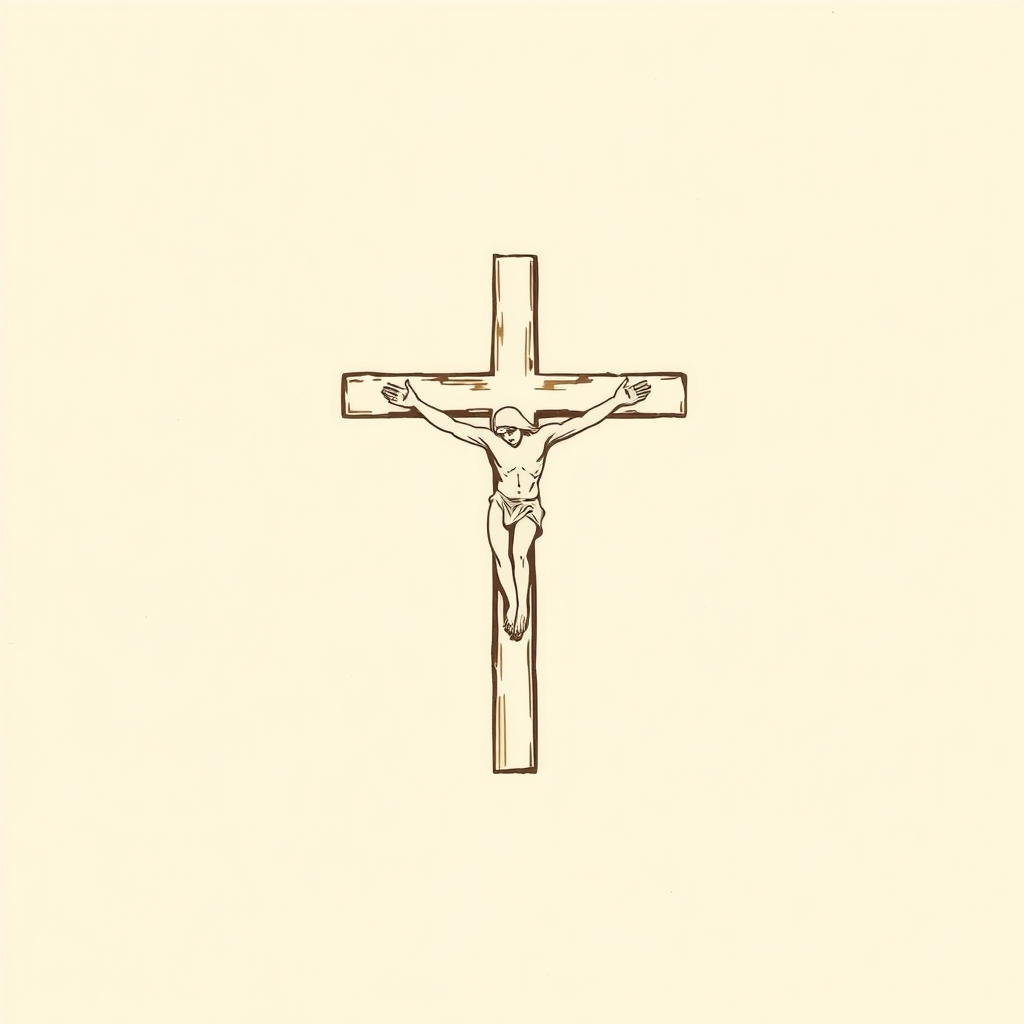
In iconography, Martyrs of Indonesia (2) is recognizable by: crucifix, scimitar, arrows and spear.
How did Martyrs of Indonesia (2) die?
Martyrs of Indonesia (2) suffered martyrdom for the Christian faith (17th century).
Which saints were contemporaries of Martyrs of Indonesia (2)?
Contemporaries include: María de Jesús López Rivas, Mariana de Jesús de Paredes, Blessed Mariana de Jesús (de Paredes y Flores) and Saint Francis de Sales (Bishop and Prince of Geneva).
What are the other names of Martyrs of Indonesia (2)?
Other forms of the name: Pierre Berthelot, Denis de la Nativité, Tomás Rodrigues da Cunha and Rédempt de la Croix.
Annexes & related entities
Structured data for exploration: events, miracles, quotes, places, attributes, patronages, and important entities cited in the text.
Key Events
- Era / death: 1638
- Beatification in 1900 by Leo XIII