Nicholas Bunkerd Kitbamrung
Thai priest and the first martyr priest of his country, who died in prison in 1944 due to mistreatment and tuberculosis.
Contemporaries

Figures and markers around the normalized period for this entry.
Guided reading
5 reading sections
Biography
Birth, education, and priestly ordination of Nicolas Bunkerd Kitbamrung.
Blessed Nicolas Bunkerd Kitbamrung (also known as Benedikto Chunkim or Benedikto Xunkim) was born on January 31, 1895 (some sources mention February 28, 1895) in Nakhon Pathom, Thailand (then the Kingdom of Siam). He was one of six children of Joseph Po Chang (or Joseph Poxang) and Agnes Thiang Krit Bamrung (or Agnes Thiang), a couple who had converted to Catholicism. Educated as a Christian through contact with missionaries, he showed a reserved temperament and a deep love for prayer from a young age. At the age of 13, in 1908, he entered the minor seminary of Hang Xan (or Bang Chang). In 1920, he continued his theological studies at the Major Seminary of Penang, in Malaysia. He was ordained a priest on January 24, 1926, in the Assumption Cathedral in Bangkok by Bishop René-Marie-Joseph Perros.
Life and Work
Pastoral ministry, support for the Salesians, and evangelization mission in northern Thailand.
After his ordination, Father Nicolas began his pastoral ministry as a vicar in several parishes, notably in Bang Nok Khneuk and Phitsanulok. In 1927, he provided invaluable assistance to the Salesians of Don Bosco upon their arrival in Thailand by teaching them the Thai language and training their seminarians in catechesis. In 1930, he was sent as a missionary to northern Thailand, near the border with Vietnam and Laos. His work consisted primarily of bringing back to the faith those Catholics who had drifted away due to poverty or geographical isolation. He undertook difficult journeys through the mountains and even traveled as far as Burma to evangelize and teach the catechism. During the Second World War, the Thai government, led by a nationalist and anti-Western regime, began to persecute the Christian minority. Catholicism was then perceived as a foreign religion, closely associated with French colonialism in neighboring Indochina. Catholics were labeled as "unpatriotic" and "parasites." Despite threats and the closure of many Catholic churches and schools, Father Nicolas courageously continued to defend the freedom of worship and to encourage the faithful to profess their faith.
Path to Holiness
Arrest, imprisonment at Bang Kwang, and martyrdom of Father Nicolas.
On the morning of January 12, 1941, Father Nicolas rang the bells of Saint Therese Church to gather the faithful for Sunday Mass. This simple act was considered by the authorities as a signal of rebellion or espionage for the benefit of the French. He was immediately arrested and accused of collaborating with France, defending colonialism, and inciting revolt against the Thai government. Sentenced to ten years in prison, he was incarcerated at the Bang Kwang Central Prison in Nonthaburi, near Bangkok. Even deprived of his freedom, Father Nicolas continued his mission of evangelization within the prison. Unable to recite his breviary, he found his strength in the recitation of the Rosary. He comforted his fellow inmates, taught them the catechism, and administered the sacraments to them. During his incarceration, he managed to baptize at least 68 prisoners. Due to the extremely harsh detention conditions and mistreatment, he contracted tuberculosis (phthisis). His oppressors, wishing to worsen his condition, deliberately transferred him to the ward for patients suffering from tuberculosis. Deprived of proper medical care because of his Catholic faith, he succumbed to the disease on January 12, 1944, at Bang Kwang Prison, at the age of 48.
Beatification and canonization
Beatification process and solemn celebration by Pope John Paul II in 2000.
The cause for the beatification of Father Nicolas Bunkerd Kitbamrung was opened in the Archdiocese of Bangkok. The diocesan inquiry took place from January 13 to 23, 1998. The validity of the inquiry was decreed by the Congregation for the Causes of Saints on May 29, 1998, and the Positio was published in 1999. On January 27, 2000, Pope John Paul II promulgated the decree recognizing his martyrdom ex aerumnis carceris (death due to the rigors of imprisonment), in hatred of the faith (odium fidei). Father Nicolas Bunkerd Kitbamrung was solemnly beatified by Pope John Paul II on March 5, 2000, in Saint Peter's Square in Rome, thus becoming the first martyr priest in the history of modern Thailand. His liturgical feast is set for January 12, the day of his birth into Heaven.
Spirituality and legacy
Missionary zeal, the Sam Phran shrine, and tribute from Pope Francis.
The priestly life of Blessed Nicolas Bunkerd Kitbamrung is characterized by tireless missionary zeal, a deep life of prayer, and an inherited charity toward the poor and the sick. His forgiveness granted to his persecutors and his devotion to his fellow cellmates testify to his configuration to the suffering Christ. During his beatification, Pope John Paul II emphasized that his life was "an authentic hymn of praise to the Lord" and that he distinguished himself by "his way of teaching the faith, of seeking out the non-practicing, and in his charity toward the poor." On January 13, 2001, a shrine dedicated to Blessed Nicolas Bunkerd Kitbamrung was inaugurated by Cardinal Michael Meechai Kitboonchu in Sam Phran (Nakhon Pathom province), near his birthplace. This shrine houses his relics as well as a museum retracing his life. His relics are also venerated in the Assumption Cathedral in Bangkok and at the Penang Major Seminary in Malaysia. During his apostolic journey to Thailand in November 2019, Pope Francis visited this shrine to meet with the bishops of Thailand and the Federation of Asian Bishops' Conferences (FABC), thus paying a solemn tribute to this major figure of the Church in Asia.
Iconography
Signs and attributes
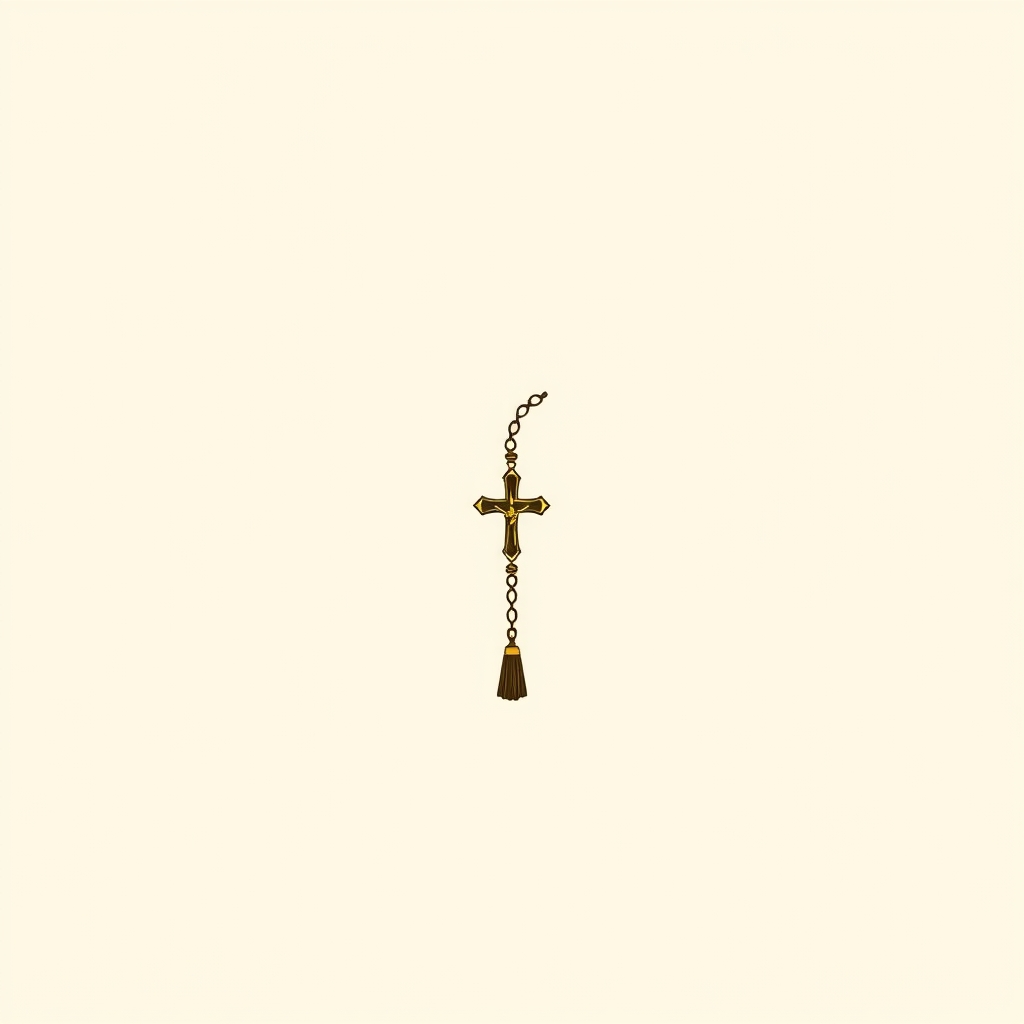
Frequently asked questions about Nicholas Bunkerd Kitbamrung
Who was Nicholas Bunkerd Kitbamrung?
Thai priest and the first martyr priest of his country, who died in prison in 1944 due to mistreatment and tuberculosis.
How is Nicholas Bunkerd Kitbamrung depicted in Christian art?
In iconography, Nicholas Bunkerd Kitbamrung is recognizable by: rosary.
How did Nicholas Bunkerd Kitbamrung die?
Nicholas Bunkerd Kitbamrung suffered martyrdom for the Christian faith (20th century).
Which saints were contemporaries of Nicholas Bunkerd Kitbamrung?
Contemporaries include: Pauline of the Agonizing Heart of Jesus, Felipe de Jesús Munárriz and 50 companions, Mariano de Jesús Euse Hoyos and Teresa of Jesus of the Andes.
What are the other names of Nicholas Bunkerd Kitbamrung?
Other forms of the name: Benedikto Chunkim and Benedikto Xunkim.
Who are the relatives of Nicholas Bunkerd Kitbamrung?
Relatives of Nicholas Bunkerd Kitbamrung: Joseph Po Chang (father) and Agnès Thiang Krit Bamrung (mother).
Annexes & related entities
Structured data for exploration: events, miracles, quotes, places, attributes, patronages, and important entities cited in the text.
Key Events
- Era / death: 1944
- Beatified in 2000 by John Paul II
Quotes
-
his life was an authentic hymn of praise to the Lord... in his way of teaching the faith, of seeking out the non-practicing, and in his charity towards the poor
https://vertexaisearch.cloud.google.com/grounding-api-redirect/AUZIYQF-Ea104dorBBYw02pVBwfV_T3R6PzT0Ay-52GqRHTKjwFGqMnEu6Jju06XyxQhoSIQaJhLG-467yz4LxBK1UDmSezanYDJNIGkIw6ebxnYQZ2S5IdYvGo_2zswtjMerqGkKa4mdMvjXspFb6NRrW8R3ninDxntJbtiEXUya3_MJJu3XrqMn74gZQ==