Josefa María de Santa Inés
Josefa María de Santa Inés (1625-1696), known as Inés de Benigánim, was a Spanish Discalced Augustinian nun known for her humility and mystical gifts.
Contemporaries

Figures and markers around the normalized period for this entry.
Guided reading
5 reading sections
Biography
Birth and youth of Josefa Teresa Albiñana Gomar in Benigánim, her entry into the Discalced Augustinians.
Josefa Teresa Albiñana Gomar, known by her religious name Josefa María de Santa Inés (and very popularly as Inés de Benigánim), was born on February 9, 1625, in Benigánim, in the province of Valencia, Spain. She was the daughter of Luis Albiñana and Vicenta Gomar, very modest peasants. She was born a twin to a brother named Agustín, who died a few days after his birth. Her father passed away while she was still very young, leaving the family in great precariousness. During her childhood, she suffered from epilepsy. She received the sacrament of confirmation at the age of eight. At the age of 13 or 14, while washing laundry by the river, she had a vision of Jesus Christ calling her to dedicate herself to Him and to embrace religious life. She subsequently refused a marriage proposal, which caused the suicide of her rejected suitor. On October 25, 1643, at the age of 18, she entered the convent of the Discalced Augustinians of the Immaculate Conception in her hometown of Benigánim. She received the religious habit on June 26, 1644, under the name Josefa María de Santa Inés (in honor of the purity of Saint Agnes of Rome) and pronounced her solemn vows on August 27, 1645.
Life and Work
The humble life of Josefa María as a lay sister, devoted to manual tasks, followed by her elevation to the rank of choir sister.
The monastery of the Discalced Augustinians of Benigánim was founded in 1597 by Saint John of Ribera. Due to her illiteracy and the fact that she spoke only Valencian, Josefa María was initially admitted as a lay sister (or lay sister, known as a "white veil"). She was thus dispensed from the recitation of the Divine Office in Latin and dedicated herself to the most arduous manual tasks of the community: cooking, cleaning, gardening, and caring for the sick sisters. She performed these tasks with deep joy and humility, often repeating: "Gracias que me dejan lavar, barrer y hacer algunas cosas en la casa de Dios pues ni esto merezco" ("Thank you for letting me wash, sweep, and do a few things in the house of God, for I do not even deserve this"). Despite her lack of formal education, she demonstrated extraordinary spiritual and theological wisdom. On November 18, 1663, with the bishop's authorization, she was elevated to the rank of choir sister due to her exceptional spiritual maturity, even though she still could neither read nor write. From then on, she spent long hours in prayer in the choir, interceding for the Pope, the Church, and the souls in Purgatory.
Journey toward holiness
Josefa María's mystical experiences, extraordinary spiritual gifts, and reputation for wisdom.
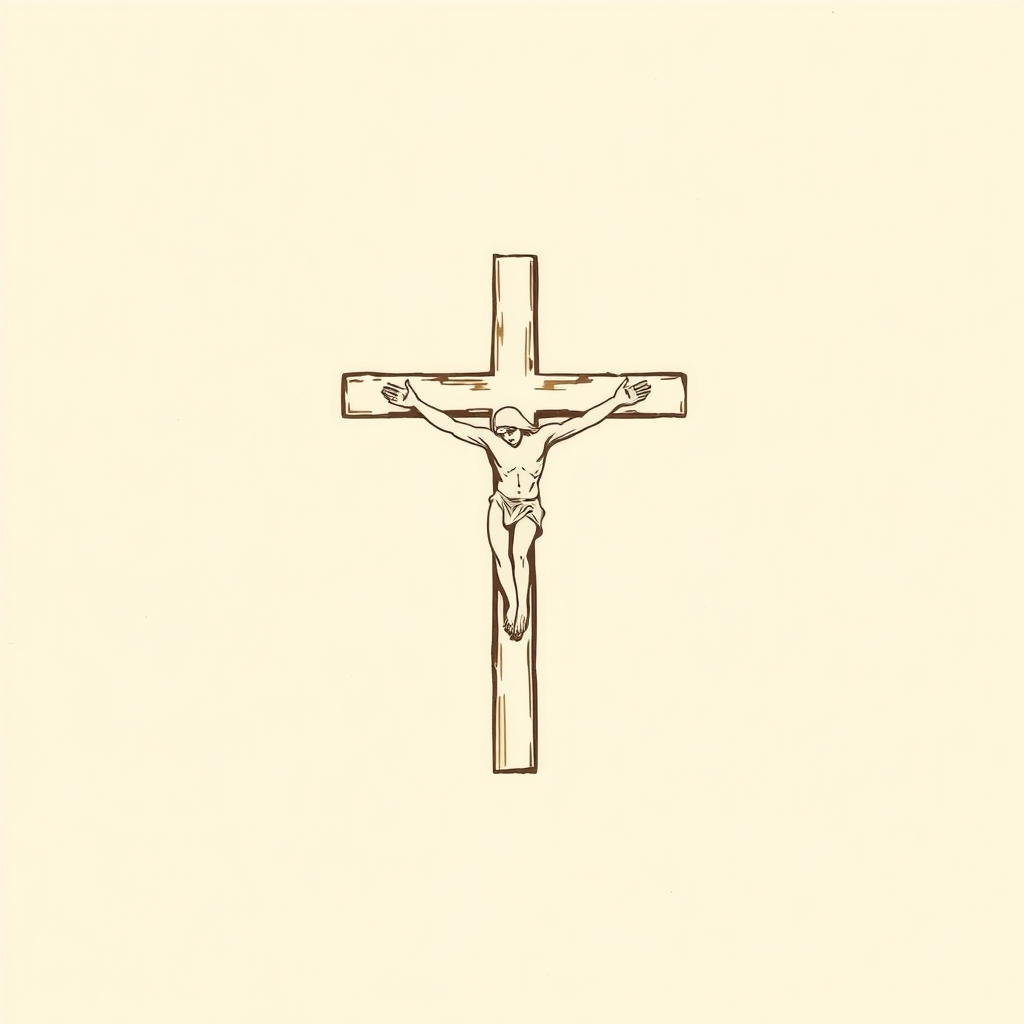
The life of Josefa María de Santa Inés is marked by intense mystical experiences, frequent ecstasies, and revelations. She was graced with numerous extraordinary spiritual gifts, such as prophecy, the discernment of spirits, visions, and bilocation. She maintained a relationship of great childlike simplicity with the Child Jesus. Among the notable mystical events reported by her contemporaries is the embrace of Jesus, who detached His hands from the nails of a crucifix before which she was praying in order to hold her against Him. Another popular miracle is that of an orange tree that she planted upside down in the monastery garden, which nevertheless grew normally (this tree is still preserved in Benigánim). Although she sought to remain hidden in the humility of her convent, her reputation for holiness and wisdom spread rapidly throughout Spain. People of all conditions, including theologians, bishops, and nobles from the court of Madrid, came to consult her to obtain her spiritual advice and to shed light on difficult decisions. Her confessor would say of her that she seemed to have no use of reason for the things of the world, but that for what concerned virtue and perfection, she reasoned like Saint Thomas Aquinas and gave counsel like Saint Paul.
Beatification and canonization
The death of Josefa María, the fate of her relics after the Spanish Civil War, and her beatification by Leo XIII.
Josefa María de Santa Inés died in the odor of sanctity on January 21, 1696, the feast day of her patron saint, Saint Agnes of Rome, at the age of 70. After her death, her body was discovered incorrupt. Her mortal remains were then preserved and venerated in the chapel of the Augustinian monastery of Benigánim. However, during the Spanish Civil War, in the summer of 1936, the monastery was destroyed and profaned by anticlerical forces. The incorrupt body of the blessed disappeared and her remains were scattered. After the war, the monastery was rebuilt and religious life resumed there. Today, the tomb houses a relic of the blessed inserted into a wax effigy placed in an urn. Josefa María de Santa Inés was solemnly beatified on February 26, 1888, by Pope Leo XIII in Saint Peter's Basilica in Rome. She is the first Valencian woman of the modern era to be raised to the altars. Her cause for canonization is currently still ongoing.
Spirituality and legacy
The spirituality of spiritual childhood of Josefa María and the popular fervor surrounding her memory in Benigánim.
The spirituality of Blessed Josefa María is based on spiritual childhood, characterized by absolute trust, evangelical simplicity, and profound humility. Because of her candor and purity of spirit, her community sisters affectionately called her "la niña" (the child). Her spiritual legacy remains extremely vibrant in Benigánim and throughout the Valencia region. Each year, on January 21, the town celebrates her patronal feast with immense popular fervor, attracting thousands of pilgrims. The Order of Saint Augustine also celebrates her liturgical memory, fixed on January 23 in its own calendar. Valencian popular devotion has consecrated her memory through the traditional saying: "Beata Inés, on et criden ves" ("Blessed Agnes, where you are called, go"), recalling her constant availability to assist souls in need.
Iconography
Signs and attributes
The supernatural in their life
The miracles of Josefa María de Santa Inés
Frequently asked questions about Josefa María de Santa Inés
Who was Josefa María de Santa Inés?
Josefa María de Santa Inés (1625-1696), known as Inés de Benigánim, was a Spanish Discalced Augustinian nun known for her humility and mystical gifts.
What is Josefa María de Santa Inés the patron saint of?
Patronage of Josefa María de Santa Inés: Benigánim and Benigánim.
How is Josefa María de Santa Inés depicted in Christian art?
In iconography, Josefa María de Santa Inés is recognizable by: Crucifix and Orange tree.
What miracles are attributed to Josefa María de Santa Inés?
2 miracles are attributed to this saint, notably: Vision / apparition and Sign / wonder.
Which saints were contemporaries of Josefa María de Santa Inés?
Contemporaries include: María de Jesús López Rivas, Mariana de Jesús de Paredes, Blessed Mariana de Jesús (de Paredes y Flores) and Saint Francis de Sales (Bishop and Prince of Geneva).
When did Josefa María de Santa Inés die?
Josefa María de Santa Inés died around 1696.
What are the other names of Josefa María de Santa Inés?
Other forms of the name: Inés de Benigánim and Josefa Teresa Albiñana Gomar.
Who are the relatives of Josefa María de Santa Inés?
Relatives of Josefa María de Santa Inés: Luis Albiñana (father), Vicenta Gomar (mother) and Agustín Albiñana (twin brother).
Annexes & related entities
Structured data for exploration: events, miracles, quotes, places, attributes, patronages, and important entities cited in the text.
Key Events
- Era / death: 1696
- Beatification in 1888 by Leo XIII
Quotes
-
Thanks be that I am allowed to wash, sweep, and do some things in the house of God, for I do not even deserve this.
https://vertexaisearch.cloud.google.com/grounding-api-redirect/AUZIYQFtUwQrEO_BiwNIDx-dV4on0USLBluGyTyq3ptU1RclnaEM_boTtbazQwCnO4dky9gzm-BvqS4gyX5OsDxSNN566jIlJaEnWKtz_0h2YUEb4__Gj-TL0IileK8gH44cIsxKmVAgEiyAbGd291xjjXg= -
Blessed Inés, they call you
https://vertexaisearch.cloud.google.com/grounding-api-redirect/AUZIYQEK8ro5CHxm6inQQXMNnLqIyHFdVXhFp2157Eod8q0bcWfukIc_iP2v7iZ7QFUvSqsuHkAhhwsxdyDXgfnBi-ysg52pFWGm0hPnFovEWSP5PfEOJGXMjUplQrGp_gnwAwViB96ggSn2STvJM3N7OQ6jIkjxWbdOIu4X_Nmfzih6uEXMm1cGrAjxYcJLljv0VO_eGR_tT0BSx8f9FSI4FUbDb0JHzqAY_4M=