Giovanni Battista Pinardi
Bishop Giovanni Battista Pinardi (1880-1962) was auxiliary bishop of Turin and pastor of the San Secondo parish for fifty years. Recognized for his charity and moral resistance to fascism, he was declared venerable in 2019.
Contemporaries

Figures and markers around the normalized period for this entry.
Guided reading
5 reading sections
Biography
The youth, formation, and priestly ordination of Giovanni Battista Pinardi in Turin.
Giovanni Battista Pinardi was born on August 15, 1880, on the feast of the Assumption, in Castagnole Piemonte, near Turin, Italy. Coming from a modest farming family, he was the son of Sebastiano Pinardi and Maria Margherita Pinardi. Baptized the following day under the patronage of Saint Roch, he grew up in an atmosphere of fervent faith and served Mass daily from a very young age. After his primary studies in his village and then in Carmagnola, he studied at the Salesian college of Borgo San Martino, where he was deeply marked by the spirit of Saint John Bosco. As his vocation became clear, he entered the seminary of Chieri in 1896 for philosophy, then the metropolitan seminary of Turin in 1898 for theology. After completing his military service in 1900 in the mountain artillery and health services, he obtained his doctorate in theology on April 3, 1902. He was ordained a priest on June 28, 1903, by Cardinal Agostino Richelmy, Archbishop of Turin. He then completed his training in moral theology at the Convitto della Consolata, under the spiritual influence of Blessed Giuseppe Allamano and the Servant of God Luigi Boccardo.
Life and Work
The ministry of Bishop Pinardi as pastor of San Secondo and auxiliary bishop of Turin, marked by his opposition to fascism.
After an initial ministry as vicar in Carignano from 1905 to 1912, Don Pinardi was appointed pastor of the San Secondo parish in Turin on December 15, 1912. He dedicated himself fully to it, demonstrating remarkable pastoral zeal toward workers, the poor, and families in distress. In 1915, Cardinal Richelmy chose him as auxiliary bishop. Appointed titular bishop of Eudoxias and auxiliary of Turin on January 24, 1916, he received episcopal ordination on March 5, 1916. Out of humility and attachment to his mission as a field pastor, Bishop Pinardi obtained permission to retain his position as pastor of San Secondo while exercising his duties as auxiliary bishop, an exceptional case in the history of the Italian Church. He would remain at the head of his parish until his death, for fifty years. In 1924, Cardinal Giuseppe Gamba appointed him pro-vicar general of the archdiocese. Bishop Pinardi then invested himself in Catholic Action and the promotion of the Christian press. Faced with the pro-fascist drift of the newspaper Il Momento, he founded the independent Catholic daily Il Corriere on December 31, 1924, to offer a free voice to the Piedmontese faithful. His rigorous moral opposition to fascism and his defense of Christian liberties drew the hostility of Benito Mussolini's regime. The latter personally vetoed his appointment as Archbishop of Turin after the death of Cardinal Gamba in 1929. In 1931, in order to avoid major tensions with the political power, Pope Pius XI advised the new archbishop, Cardinal Maurilio Fossati, not to entrust any Curial duties to Bishop Pinardi and to leave him "in the shadows." Bishop Pinardi was thus removed from his duties as vicar general, which allowed him to devote himself exclusively to his parish of San Secondo. During the Second World War, he spent himself without counting the cost to assist the victims of bombings and refugees. Preaching peace and refusing all hatred, he courageously went down into the streets of Turin to bless and provide a dignified burial to those killed during the clashes, braving the fire of snipers. After the war, he continued to spiritually accompany the youth of Catholic Action and to foster numerous priestly vocations.
Path to holiness
The diocesan process and the examination of the cause for beatification of Bishop Pinardi.
The reputation of holiness of Bishop Pinardi was maintained well after his death. On May 26, 1994, Cardinal Giovanni Saldarini, Archbishop of Turin, officially launched the collection of his writings. After obtaining the nihil obstat from the Holy See on April 16, 1999, the diocesan inquiry into his life and virtues took place from January 30, 1999, to December 15, 2003. The validity of this inquiry was decreed by the Congregation for the Causes of Saints on February 27, 2004, and the Positio was officially submitted in 2008.
Beatification and canonization
The recognition of the heroic virtues of Bishop Pinardi by Pope Francis in 2019.
On May 13, 2019, Pope Francis authorized the Congregation for the Causes of Saints to promulgate the decree recognizing the heroic virtues of Giovanni Battista Pinardi, thereby conferring upon him the title of Venerable. His cause for beatification continues, awaiting the official recognition of a miracle.
Spirituality and legacy
The spiritual life of Bishop Pinardi, his death in 1962, and the continued devotion of the faithful.
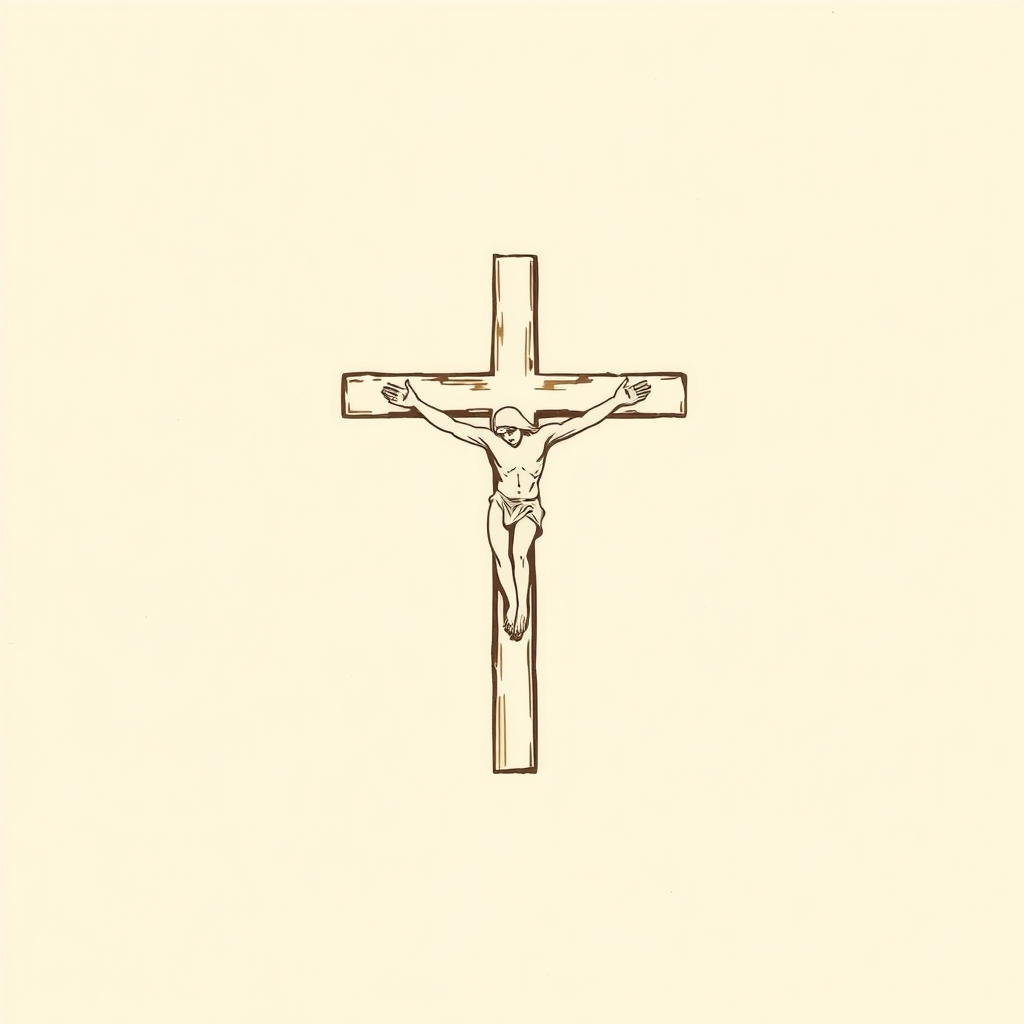
The life of Bishop Pinardi was nourished by assiduous prayer, a deep Eucharistic devotion, and a filial love for the Virgin Mary. He considered his episcopal office a heavy cross that he bore with humility and a spirit of sacrifice. Pope Pius XI had described him as a "holy bishop." Bishop Pinardi passed away on August 2, 1962, in Turin, clutching his crucifix to his chest. In 1964, his mortal remains were transferred to the church of San Secondo in Turin, where they rest near the altar of the Sacred Heart, continuing to attract the devotion of the faithful.
Iconography
Signs and attributes
Frequently asked questions about Giovanni Battista Pinardi
Who was Giovanni Battista Pinardi?
Bishop Giovanni Battista Pinardi (1880-1962) was auxiliary bishop of Turin and pastor of the San Secondo parish for fifty years. Recognized for his charity and moral resistance to fascism, he was declared venerable in 2019.
How is Giovanni Battista Pinardi depicted in Christian art?
In iconography, Giovanni Battista Pinardi is recognizable by: Crucifix.
Which saints were contemporaries of Giovanni Battista Pinardi?
Contemporaries include: Jesús María Echavarría Aguirre, Pauline of the Agonizing Heart of Jesus, Narcisa de Jesús and Juan de Jesús López y González.
When did Giovanni Battista Pinardi die?
Giovanni Battista Pinardi died around 1880.
What are the other names of Giovanni Battista Pinardi?
Other forms of the name: Jean-Baptiste Pinardi.
Who are the relatives of Giovanni Battista Pinardi?
Relatives of Giovanni Battista Pinardi: Sebastiano Pinardi (father) and Maria Margherita Pinardi (mother).
Annexes & related entities
Structured data for exploration: events, miracles, quotes, places, attributes, patronages, and important entities cited in the text.
Key Events
- Era / death: 1880-1962
- Decree of venerability by Francis