Maria Anna Saltini Testi
Marianna Saltini, known as Mamma Nina (1889-1957), was an Italian widow, founder of the Casa della Divina Provvidenza and the congregation of the Daughters of Saint Francis of Carpi, dedicated to the care of abandoned young girls.
Contemporaries

Figures and markers around the normalized period for this entry.
Guided reading
5 reading sections
Biography
Youth, marriage to Arturo Testi, motherhood, and widowhood of Marianna Saltini.
Marianna Saltini, better known as Mamma Nina, was born on August 28, 1889, in Fossoli di Carpi, Italy. She was the third daughter of Cesare Saltini and Filomena Righi, a family of wealthy landowners. As her two older brothers had died in infancy, she took on the role of a "second mother" very early on to help her mother raise her many siblings, among whom was the future Don Zeno Saltini, founder of the Nomadelfia community. At the age of 21, in 1910, Marianna married Arturo Testi, a tailor of modest means. This marriage initially sparked strong opposition from her family, particularly from her grandfather Giuseppe. Determined, the young woman fled at night to take refuge at the home of one of Arturo's aunts. The family conflict was eventually resolved through the mediation of Msgr. Eugenio Loschi, archpriest of the Cathedral of Carpi. Six children were born from this union: Sergio, Vincenzo, Enzo, Maria, Francesco, and Gioacchino. While raising her family, Marianna devoted herself voluntarily to watching over the poor sick of the city during the night. In 1928, after a long illness, Arturo Testi passed away, leaving Marianna a widow at the age of 39 with six children to support.
Life and Work
The call to an expanded motherhood, the founding of the Casa della Divina Provvidenza and the Daughters of Saint Francis.
After the death of her husband, Marianna Saltini felt an imperative inner call to dedicate herself entirely to the poorest and most abandoned young girls. To answer this vocation, she made the painful decision to entrust her youngest children to relatives and to send her eldest sons to boarding school. Her sons Vincenzo and Enzo were sent to the Paulinians in Alba, Sergio went to study in Paris, while her daughter Maria was admitted to the Ursulines of Modena. This choice tore her family apart and sparked general misunderstanding, with the local population labeling her as "the madwoman" (la matta). In 1933, Marianna moved temporarily to San Giacomo Roncole, to the home of her brother Father Zeno Saltini, where she had a spiritual vision of Saint Francis of Assisi. In 1934, she began taking in her first protégées in Carpi. In March 1936, the mayor of Carpi granted her the use of the Palazzo Benassi, which became the Casa della Divina Provvidenza. Supported by Bishop Mgr. Carlo De Ferrari, she was joined by five companions: Ottorina Ballerini, Fernanda Forghieri, Maria Lodi, Ines Lugli, and Erminia Martinello. Together, they formed the community of the Daughters of Saint Francis (Figlie di San Francesco), recognized in 1937. On March 19, 1938, Marianna received the religious habit from the hands of her own son Vincenzo (who had become Father Samuele) and took the name Mamma Nina. Two more of her sons, Enzo (Father Maggiorino) and Francesco (Father Franco), would also become priests. During the Second World War, the Casa della Divina Provvidenza became a refuge. Mamma Nina actively committed herself, alongside Odoardo Focherini and Father Dante Sala, to hiding and saving persecuted Jewish people. After the war, the number of girls hosted exceeded 400 by the early 1950s. In total, she would have welcomed and educated more than a thousand young girls.
Journey toward holiness
Absolute trust in Divine Providence and the final moments of Mamma Nina.
The life of Mamma Nina is characterized by an absolute and radical trust in Divine Providence. She categorically refused to solicit official grants or to hoard, affirming that God would provide for the needs of her children every day. Her contemporaries report numerous episodes where, while the kitchens were completely empty, Mamma Nina would have the pots of water set to boil while praying, before unexpected donations of food arrived at the last moment at the door of the institute.
Exhausted by a long illness that darkened her final years, she passed away on December 3, 1957, in Carpi, at the age of 68, surrounded by her "daughters" and the sisters of her community. Her solemn funeral gathered an immense crowd that came from the entire Modena region to pay tribute to the one they already considered a saint.
Beatification and canonization
The beatification process and the declaration of venerability by John Paul II.
The beatification process was initiated at the diocesan level in 1985 by the Bishop of Carpi, Msgr. Alessandro Maggiolini. The diocesan inquiry took place from June 9, 1985, to December 4, 1988. On April 23, 2002, Pope John Paul II promulgated the decree recognizing the heroic nature of her virtues, officially conferring upon her the title of Venerable. To date, no miracle has been the subject of an official decree of validation by the Dicastery for the Causes of Saints. The cause for beatification remains open, awaiting the recognition of a miracle attributed to her intercession.
Spirituality and legacy
Supernatural motherhood, the continuity of her work, and the Mamma Nina Prize.
Mamma Nina's spirituality is based on the concept of "supernatural motherhood." For her, welcoming orphans had to resemble a true family life. She personally oversaw the human, religious, and professional education of her protégées, preparing their wedding trousseaus and accompanying them to the altar herself.
Today, the Casa della Divina Provvidenza continues its welcoming work at the Palazzo Benassi in Carpi. Mamma Nina's spiritual legacy has also spread internationally, particularly in Africa. Sister Ambrogia Casamenti, one of her former adopted daughters who became a nun, founded a nursery school in her honor in Touba, Ivory Coast, while another school project is dedicated to her in Maputo, Mozambique. Each year, the Diocese of Carpi awards the Mamma Nina Prize to reward projects of solidarity, inclusion, and aid to the most destitute within the diocesan territory.
Iconography
Signs and attributes

Frequently asked questions about Maria Anna Saltini Testi
Who was Maria Anna Saltini Testi?
Marianna Saltini, known as Mamma Nina (1889-1957), was an Italian widow, founder of the Casa della Divina Provvidenza and the congregation of the Daughters of Saint Francis of Carpi, dedicated to the care of abandoned young girls.
How is Maria Anna Saltini Testi depicted in Christian art?
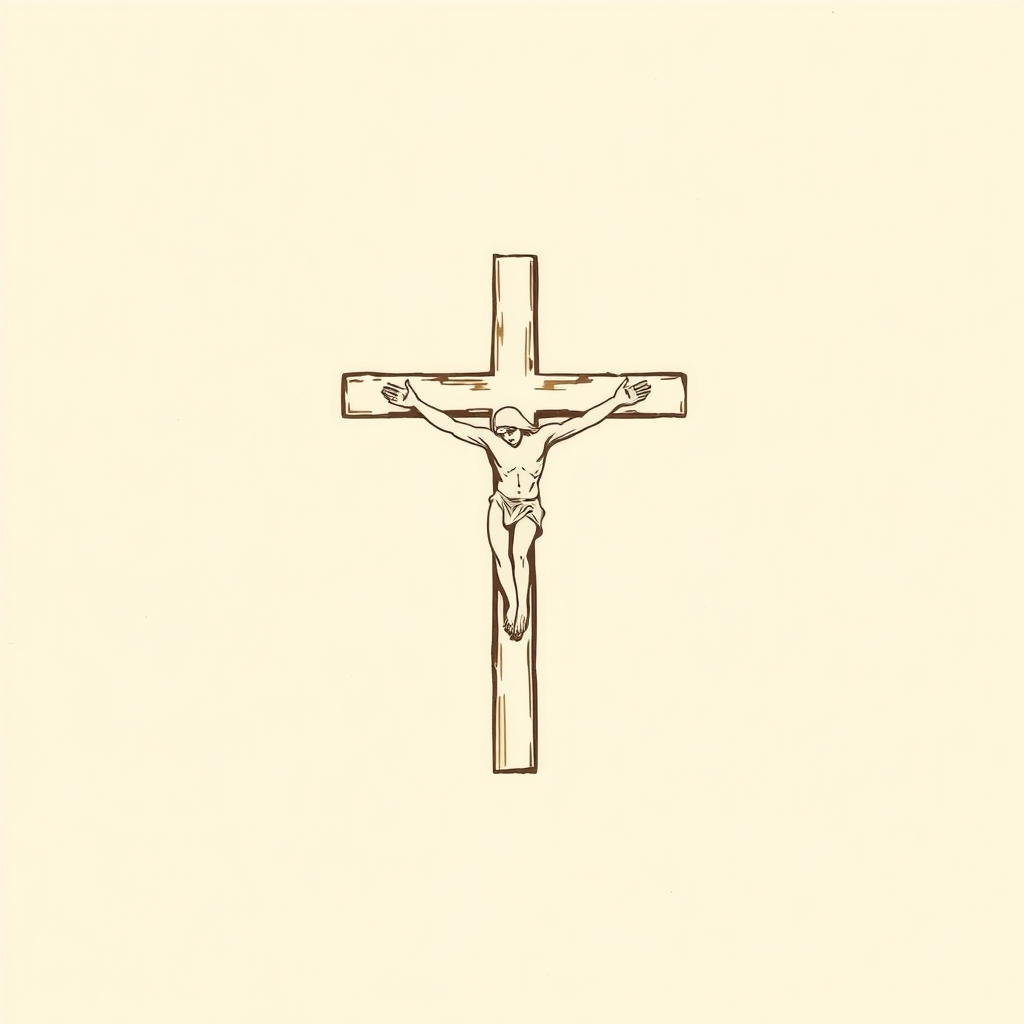
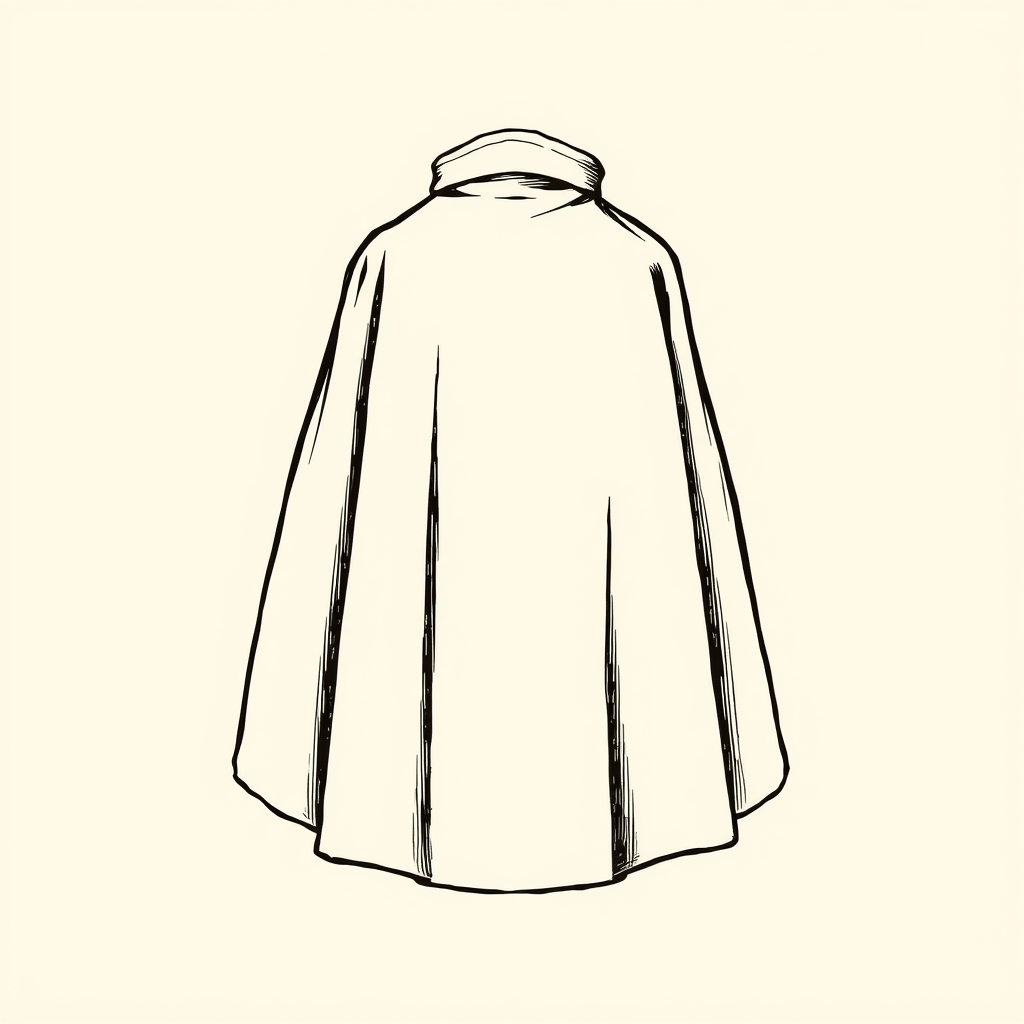
In iconography, Maria Anna Saltini Testi is recognizable by: Crucifix, Veil and Cloak.
Which saints were contemporaries of Maria Anna Saltini Testi?
Contemporaries include: Jesús María Echavarría Aguirre, Pauline of the Agonizing Heart of Jesus, Narcisa de Jesús and Juan de Jesús López y González.
When did Maria Anna Saltini Testi die?
Maria Anna Saltini Testi died around 1889.
What are the other names of Maria Anna Saltini Testi?
Other forms of the name: Marianna Saltini and Mamma Nina.
Who are the relatives of Maria Anna Saltini Testi?
Relatives of Maria Anna Saltini Testi: Cesare Saltini (father), Filomena Righi (mother), Don Zeno Saltini (brother), Arturo Testi (spouse), Giuseppe (grandfather), Sergio Testi (son), Vincenzo Testi (Don Samuele) (son) and Enzo Testi (Don Maggiorino) (son).
Annexes & related entities
Structured data for exploration: events, miracles, quotes, places, attributes, patronages, and important entities cited in the text.
Key Events
- Era / death: 1889-1957
- Decree of venerability by John Paul II