Ismael Molinero Novillo
Ismael Molinero Novillo (1917-1938), known as Ismael of Tomelloso, was a young Spanish layperson and member of Catholic Action, recognized as Venerable for his silent and joyful offering during the Spanish Civil War.
Contemporaries

Figures and markers around the normalized period for this entry.
Guided reading
5 reading sections
Biography
The youth of Ismael Molinero Novillo in Tomelloso within a Christian family and his early work.
Ismael Molinero Novillo, affectionately nicknamed "Ismael of Tomelloso," was born on May 1, 1917, in Tomelloso, a town in the province of Ciudad Real in Spain. He grew up in a large and deeply Christian working-class family, being the fifth of eleven children. His father, Francisco Antonio Lázaro Molinero Román, worked as a blacksmith, while his mother, Ángela María Francisca Novillo y López, looked after the home and passed on a solid faith to her children. Ismael began his studies at the Milagrosa school, run by the Daughters of Charity, and later attended the Félix Pavón school. However, due to his family's financial difficulties, he had to interrupt his schooling at the age of 14 to work as a clerk in a local business. Endowed with a cheerful, affable, and creative temperament, he quickly became appreciated by his employers and customers. He also enlivened those around him by playing the guitar, reciting poetry, and organizing small plays.
Life and work
Ismael's commitment to Catholic Action and his dedication to the elderly.
Ismael's life took a decisive turn in 1934, at the age of 17, when he joined the Catholic Action Youth of Tomelloso. From then on, he became actively involved in the apostolate among young people and devoted a large part of his free time to the elderly and destitute at the local hospice (the Asylum of the Little Sisters of the Abandoned Aged). He brought them not only material and spiritual support, but also his joy of living, singing and playing the guitar to break their loneliness. Ismael nourished his spiritual life through daily prayer, assiduous participation in Mass, and a deep devotion to the Eucharist as well as to the Virgin Mary, whom he venerated particularly under the title of the Virgen del Pilar. In 1935, he participated in spiritual exercises at the seminary of Ciudad Real, under the direction of Father Sánchez Oliva. The latter, deeply moved by the young man's piety and humility, knelt before him at the end of the retreat to kiss his feet. When the Spanish Civil War broke out in 1936, Ismael witnessed the violent religious persecution that struck his region, notably the assassination of his parish priest and the vicar with whom he had collaborated closely. Because of his Catholic faith, he was himself imprisoned twice.
Journey toward holiness
Ismael's mobilization during the Civil War, his silent captivity, and his death offered for peace.
On September 18, 1937, Ismael was mobilized by the Republican army and sent to the Teruel front, one of the harshest and bloodiest sectors of the conflict. In the trenches, he had to endure not only extreme cold (with temperatures dropping below -20 °C), but also a hostile and anticlerical environment where blasphemy was frequent. Faced with provocations and insults directed at his faith, Ismael chose to respond with silence and prayer, clutching his rosary or his miraculous medal. In February 1938, during the Battle of Alfambra, Ismael threw his rifle to the ground to avoid killing and was captured by Nationalist forces. During his interrogation, he refused to reveal his membership in Catholic Action—information that would have earned him immediate release—in order to share the fate of his fellow captives. He was first interned in deplorable conditions in makeshift sheepfolds at Santa Eulalia del Campo, then transferred to the San Juan de Mozarrifar prisoner-of-war camp. Stricken with severe pneumonia that quickly degenerated into tuberculosis, he was finally admitted to the Clinical Hospital of Zaragoza (Hospital Clínico de Zaragoza). During his final months, he endured his suffering in heroic silence, offering his life for peace in Spain and reconciliation. He only broke his silence to request confession and communion. Ismael passed away on May 5, 1938, at the age of 21.
Beatification and canonization
The process of recognition of the virtues inherited from Ismael of Tomelloso by the Catholic Church.
After his death, the reputation of holiness of Ismael of Tomelloso spread rapidly among the youth of Spanish Catholic Action. His remains, initially buried in the Torrero cemetery in Zaragoza, were transferred in 1950 to Tomelloso at the request of his mother. The canonical process officially began several decades later: on December 17, 2006, the Association for the Cause of Beatification and Canonization of Ismael of Tomelloso was established. In March 2008, the cause received the nihil obstat from the Congregation for the Causes of Saints. On May 5, 2008, the diocesan inquiry was officially opened by the Bishopric of Ciudad Real. On May 23, 2024, Pope Francis authorized the Dicastery for the Causes of Saints to promulgate the decree recognizing his heroic virtues, thus conferring upon him the title of Venerable. On February 20, 2025, as part of his cause, his mortal remains were exhumed from the municipal cemetery and solemnly transferred to the parish church of La Asunción de Nuestra Señora in Tomelloso, where they now rest in a dedicated niche.
Spirituality and legacy
The spirituality of silence, joy, and self-offering of Ismael of Tomelloso.
The spirituality of Ismael of Tomelloso is based on the silent offering of self, evangelical joy, and the desire for reconciliation. In a context of civil war marked by hatred and division, he chose not to respond to violence with violence, but to offer his "slow martyrdom" for peace. His silence during his captivity and illness was not a passive mutism, but a continuous prayer and an identification with the suffering Christ. He leaves behind the testimony of an ordinary layman who knew how to sanctify his daily work and his associative commitment. His famous formula summarizes his ideal of life: "As I do not know how to speak and have little intelligence, I do not know how to say good things about religion to anyone; that is why I want to set an example with my life."
Iconography
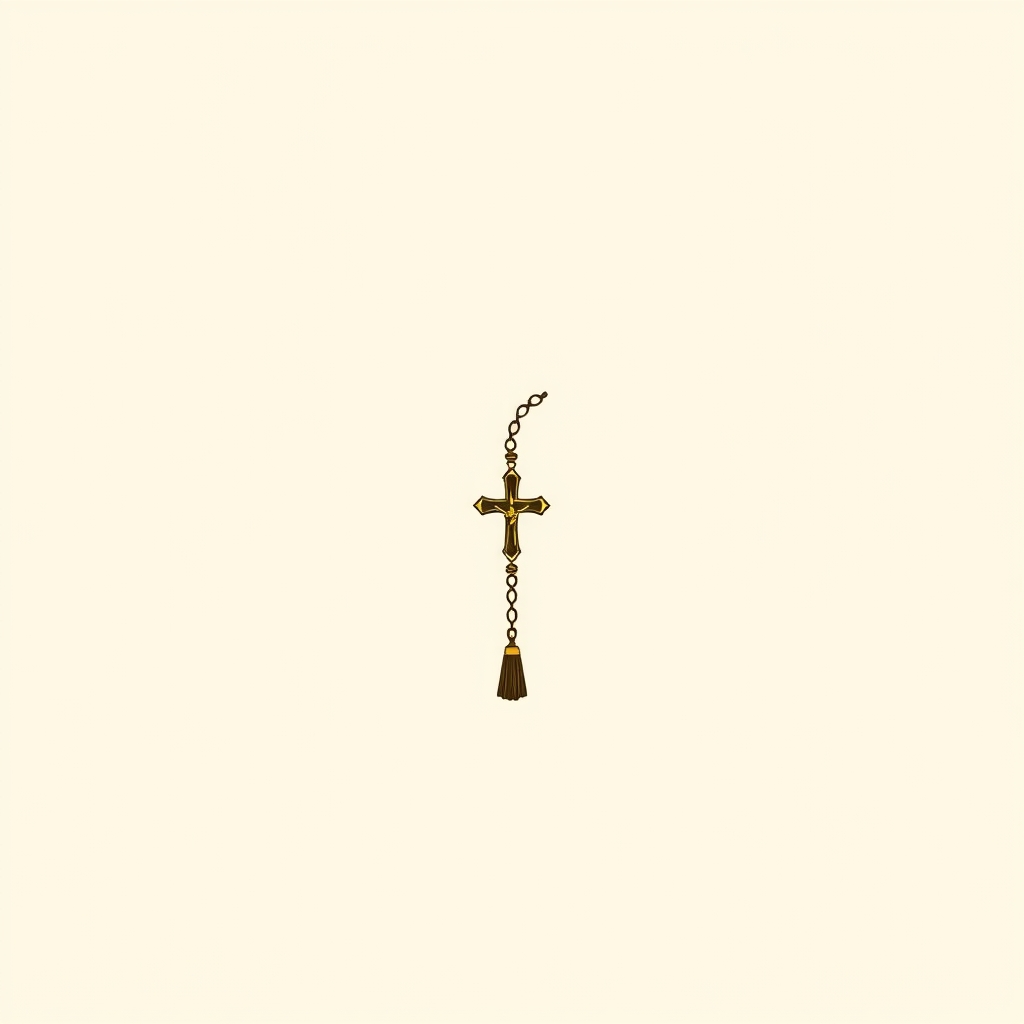
Signs and attributes
Frequently asked questions about Ismael Molinero Novillo
Who was Ismael Molinero Novillo?
Ismael Molinero Novillo (1917-1938), known as Ismael of Tomelloso, was a young Spanish layperson and member of Catholic Action, recognized as Venerable for his silent and joyful offering during the Spanish Civil War.
How is Ismael Molinero Novillo depicted in Christian art?
In iconography, Ismael Molinero Novillo is recognizable by: guitar, rosary and Miraculous Medal.
Which saints were contemporaries of Ismael Molinero Novillo?
Contemporaries include: Pauline of the Agonizing Heart of Jesus, Felipe de Jesús Munárriz and 50 companions, Mariano de Jesús Euse Hoyos and Teresa of Jesus of the Andes.
When did Ismael Molinero Novillo die?
Ismael Molinero Novillo died around 1917.
What are the other names of Ismael Molinero Novillo?
Other forms of the name: Ismael de Tomelloso.
Who are the relatives of Ismael Molinero Novillo?
Relatives of Ismael Molinero Novillo: Francisco Antonio Lázaro Molinero Román (father) and Ángela María Francisca Novillo y López (mother).
Annexes & related entities
Structured data for exploration: events, miracles, quotes, places, attributes, patronages, and important entities cited in the text.
Key Events
- Period / death: 1917-1938
- Decree of venerability by Francis
Quotes
-
As I do not know how to speak and have little intelligence, I do not know how to say good things about religion to anyone; that is why I want to set an example with my life.
https://vertexaisearch.cloud.google.com/grounding-api-redirect/AUZIYQHCye-eYDePYP8Hp4KkfCSeHFDRkT3Xu5h6Wr9zWoRt5iCgL3vFAOnBQeb5kb0uDlJLcVPYNytqfogWE0Ki563she2xsAZB4ird7QZn2qYXftqWw-BWKk6Uep17t0lmJL9vZn2r1oWgohqSaHOZtXHLMrFO-zYhuw_Ox9efAAOs8-SYHgZUR5xWJEq0gg9Z1IOh7gFgjS8KZgIlWpQ=